 Save
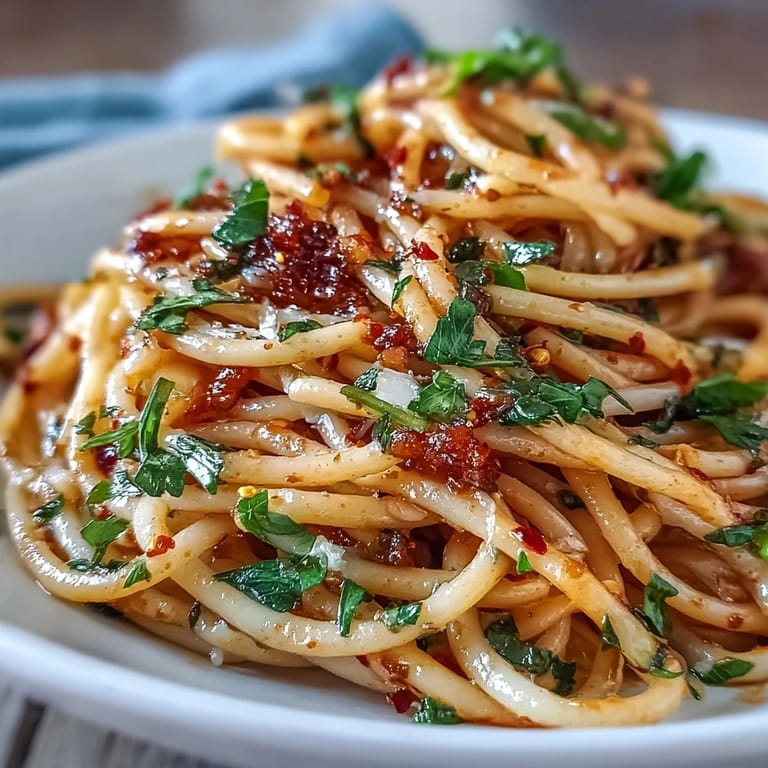
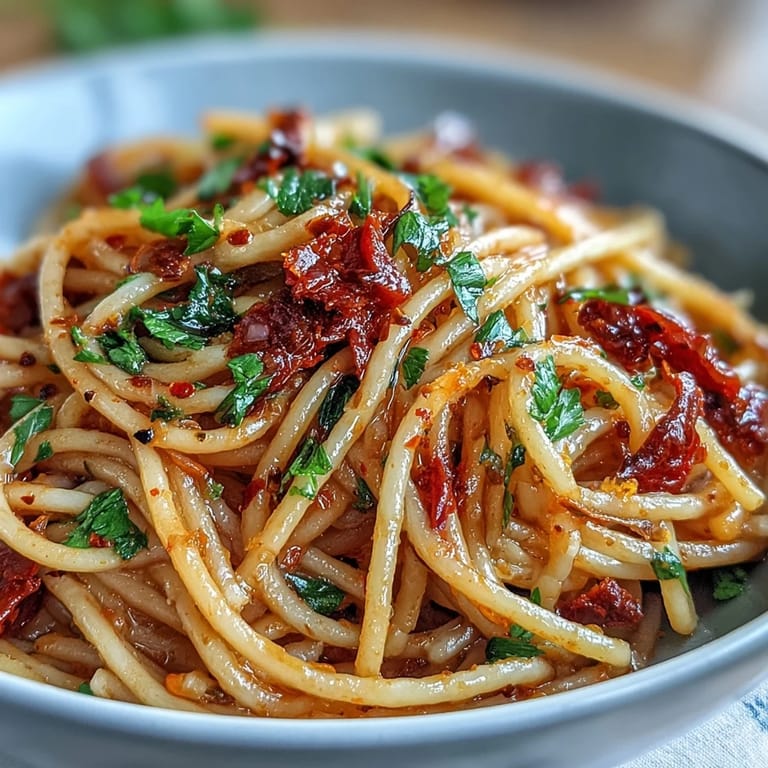
Save The first time I made this, I was standing in my kitchen on a Tuesday night with a jar of Calabrian chili paste I'd picked up at an Italian market, completely uncertain what to do with it. I grabbed whatever pasta I had—bucatini, thank goodness—and started tossing things together without much of a plan. By the time the garlic hit the oil and that anchovy began to melt into something magical, I realized I'd stumbled onto something that tasted like a small trattoria in Calabria, the kind of place where simplicity becomes sophistication the moment it hits your tongue.
I made this for my friend Marco one evening, and watching him taste it, close his eyes, and just nod—no words needed—told me everything. He's from Naples and doesn't suffer mediocre Italian food, so when he asked for the recipe, I knew I'd gotten something right.
Ingredients
- Bucatini pasta, 400 g: This hollow spaghetti-like pasta is perfect here because the sauce actually gets inside the strands, not just coating them, but spaghetti works if that's what you have.
- Extra virgin olive oil, 4 tbsp: Don't skimp on quality—this is one of three main flavors, so use something you'd actually taste in a bowl by itself.
- Calabrian chili paste, 3 tbsp: The star of the show, with a fruity heat that's different from regular red pepper flakes, but use the fresh chilies in oil if paste isn't available.
- Garlic cloves, 4, thinly sliced: Slice them thin so they cook evenly and don't burn; burnt garlic will taste bitter and ruin the whole thing.
- Anchovy fillets, 6, drained and chopped: These aren't for anchovy lovers only—they dissolve into the oil and create an umami backbone that makes the whole dish sing.
- Crushed red pepper flakes, 1/2 tsp optional: Use this only if you want to amp up the heat beyond what the Calabrian paste already gives you.
- Sea salt, 1/2 tsp: Keep tasting as you go; you may need more depending on your pasta water.
- Fresh flat-leaf parsley, 1/4 cup chopped: Add this at the very end so it stays bright and doesn't turn dark and bitter from the heat.
- Lemon zest, 1: The zest cuts through the richness and adds a whisper of brightness that elevates everything.
- Pecorino Romano or Parmesan, 1/4 cup grated: Optional, but the salty, sharp cheese plays beautifully against the spicy oil.
Tired of Takeout? 🥡
Get 10 meals you can make faster than delivery arrives. Seriously.
One email. No spam. Unsubscribe anytime.
Instructions
- Boil the water and cook the pasta:
- Get your salted water rolling at a good boil before you add the bucatini; this matters more than you'd think. Cook it to al dente, which means it should still have a tiny bit of firmness in the center when you bite it, and make absolutely sure to save a cup of that starchy pasta water before you drain everything.
- Build the base with garlic and anchovy:
- Pour the olive oil into your skillet over medium heat and let it warm for about 30 seconds, then add the sliced garlic and chopped anchovies. You'll hear them sizzle slightly, and the smell—a little pungent at first—will transform into something savory and deep as the anchovies start to dissolve.
- Bloom the Calabrian chili:
- Once the garlic is fragrant and the anchovies have mostly melted into the oil (around 2–3 minutes), add the Calabrian chili paste and red pepper flakes if using. Let this sit for a minute or two, stirring gently, so the oil takes on the chili's fruity, complex heat.
- Toss the pasta into the sauce:
- Add your drained bucatini directly to the skillet and start tossing everything together using tongs or a wooden spoon, making sure every strand gets coated in that gorgeous oil. If it looks too dry, add a splash of pasta water at a time until the sauce clings to the pasta like a light, glossy coat.
- Season and finish:
- Turn off the heat, taste a strand, and adjust the salt and pepper as needed. Stir in the chopped parsley and lemon zest at the very last moment so they stay fresh and don't lose their brightness.
- Serve right away:
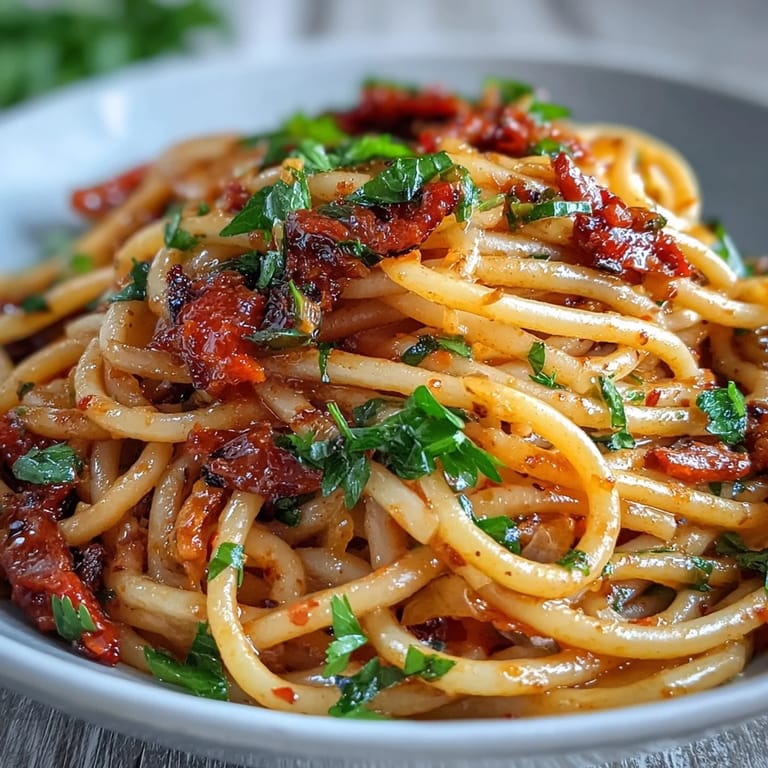
- Plate it immediately while it's hot, and if you're using cheese, let each person decide how much they want sprinkled on top.
 Save
Save There's something humbling about a dish this simple—just a handful of ingredients, 25 minutes, and suddenly you're sitting across from someone tasting something that makes them forget about everything else for a moment. That's when I understood why Italian cooking doesn't need to be complicated to be profound.
The Calabrian Difference
Calabrian chili paste is not the same as sriracha or regular crushed red pepper flakes, and once you taste the difference, you'll understand why this specific ingredient matters so much. It has a fruity, almost sweet undertone beneath the heat, with a complexity that suggests sun-dried chilies and time. If you can't find it at your regular grocery store, seek it out at Italian markets or order it online—it's worth the effort, and you'll find yourself reaching for it in other dishes long after this one.
Working With Anchovies
People get nervous about anchovies, which I completely understand—they smell intense and look intimidating. But here's what happens: when you heat them gently in warm oil, they soften and almost dissolve, leaving behind only their savory essence, that umami quality that makes you feel like the dish is more flavorful than it should be. You won't taste fish; you'll taste depth.
Timing and Temperature
Medium heat is your friend here—if your pan is too hot, the garlic will burn before the anchovies have time to melt, and you'll end up with bitter, crispy flakes instead of a silky base. Everything should move gently and smell amazing as it cooks, not sizzle aggressively.
- Start tasting the pasta about a minute before the package says it's done, so you can catch it at exactly the right moment of tenderness.
- Keep that reserved pasta water within arm's reach while you're tossing everything together—you might need it, and you'll want it ready.
- Serve on warm plates so the dish stays hot as people eat, especially important because the heat of the oil is part of the flavor experience.
 Save
Save This dish taught me that the most memorable meals aren't always the complicated ones; they're the ones made with intention and good ingredients, shared with someone who takes a moment to really taste it. Make it tonight.
Recipe FAQs
- → What type of pasta works best?
Bucatini is ideal for holding the flavorful chili oil, but spaghetti or linguine can also be used as substitutes.
- → Can I adjust the spice level?
Yes, add or reduce Calabrian chili paste and red pepper flakes according to your heat preference.
- → What is the role of anchovies in this dish?
Anchovies dissolve into the oil providing a savory umami depth without a fishy taste.
- → How can I make a vegetarian version?
Omit anchovies and add capers for a briny flavor that complements the chili oil and herbs.
- → What cheese pairs well with this pasta?
Grated Pecorino Romano or Parmesan adds a salty richness that balances the spicy, herbal notes.
- → Any wine pairings suggested?
A crisp white like Verdicchio or Pinot Grigio complements the spicy and savory elements beautifully.