 Save
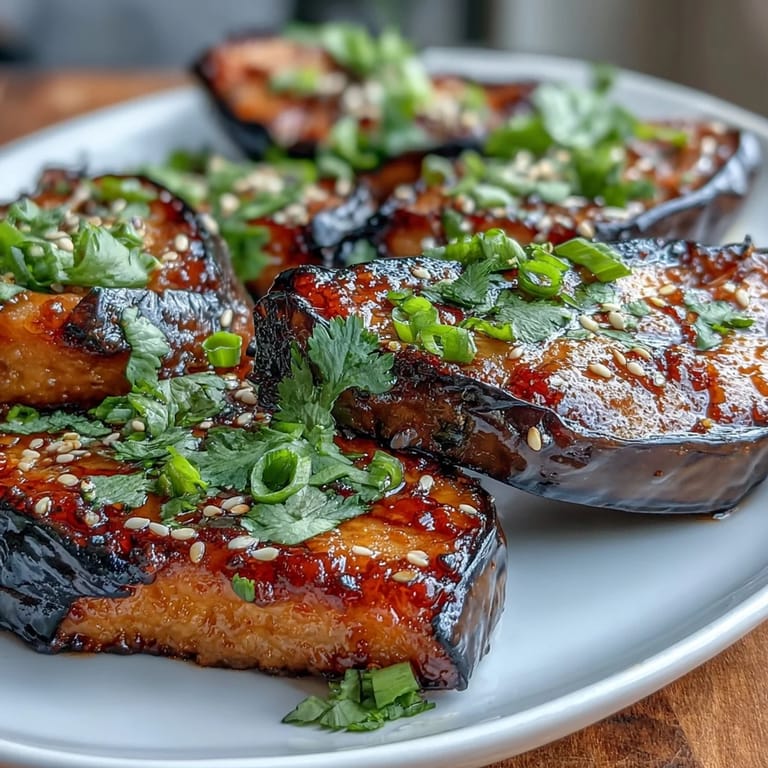
Save There's something about the way miso transforms in heat that stopped me mid-chop one Thursday evening. I'd bought these glossy eggplants at the farmer's market, uncertain what to do with them, when I remembered a tiny bowl of white miso sitting in my fridge from a soup experiment weeks prior. What started as improvisation—layering that fermented paste with maple syrup and ginger—became the kind of dinner that makes you forget you're eating vegetables. The kitchen filled with this savory caramel smell, and suddenly the whole thing made sense.
I made this for my sister last summer when she was going through a phase of eating less meat, and she actually came back for seconds—which was shocking because she'd spent our whole childhood pushing eggplant around her plate. Watching her lean over the plate, sesame seeds stuck to her lip, telling me it tasted nothing like what Mom used to make, felt like I'd unlocked something. That's when I realized this wasn't just a recipe; it was proof that one good technique and the right flavors can change someone's mind about an ingredient entirely.
Ingredients
- Eggplants (2 large, cut into 1-inch thick rounds): Look for ones that feel heavy and have glossy, unblemished skin, which means they'll have fewer bitter seeds and silkier flesh when roasted.
- White miso paste (3 tbsp): The backbone of this glaze—milder and slightly sweet compared to red or dark miso, which would overpower the delicate eggplant.
- Mirin (2 tbsp) or dry sherry: This adds natural sweetness and helps the glaze caramelize into glossy, clingy perfection on the eggplant surface.
- Soy sauce (1 tbsp) or tamari: The umami anchor that ties everything together; use tamari if you need it gluten-free.
- Maple syrup or honey (1 tbsp): Adds depth and helps the glaze bubble and brown without burning.
- Sesame oil (1 tbsp): Toasted, not regular, because the nutty flavor is what makes you close your eyes when you taste it.
- Rice vinegar (1 tsp): A tiny amount that brightens the glaze and prevents it from tasting one-dimensional.
- Garlic clove, minced (1): Fresh, not powder—you want those little bits to caramelize into sweet golden flecks on the eggplant.
- Freshly grated ginger (1 tsp): Adds warmth and a subtle heat that moves through the whole dish without overpowering anything else.
- Green onions, thinly sliced (2): The final freshness that cuts through the richness and reminds you that you're eating vegetables.
- Toasted sesame seeds (1 tbsp): Sprinkle these right before serving while the eggplant is still warm so they stick and stay crunchy.
- Cilantro leaves, optional (1 small handful): If you're someone who loves it, this adds a bright herbal note; if cilantro tastes like soap to you, skip it without guilt.
Tired of Takeout? 🥡
Get 10 meals you can make faster than delivery arrives. Seriously.
One email. No spam. Unsubscribe anytime.
Instructions
- Heat your oven and prep the pan:
- Preheat to 400°F and line your baking sheet with parchment paper so the eggplant doesn't stick and the cleanup stays minimal.
- Arrange and oil the eggplant:
- Lay your slices flat on the sheet, brush them lightly with sesame oil, and sprinkle a little salt over each piece—this draws out moisture and helps them get golden instead of steaming.
- First roast:
- Let them cook for 20 minutes, flipping halfway through, until they're tender and starting to brown at the edges. You want them soft before the glaze goes on, or they'll stay tough no matter what.
- Make your glaze while they cook:
- Whisk together the miso, mirin, soy sauce, maple syrup, sesame oil, rice vinegar, garlic, and ginger in a small bowl until smooth. Don't skip the whisking—it helps everything combine instead of the miso staying clumpy.
- Brush on the glaze:
- Take the eggplant out, brush the tops generously with your glaze mixture, and return to the oven immediately. Don't hold back here; the glaze is what makes this special.
- Second roast and caramelize:
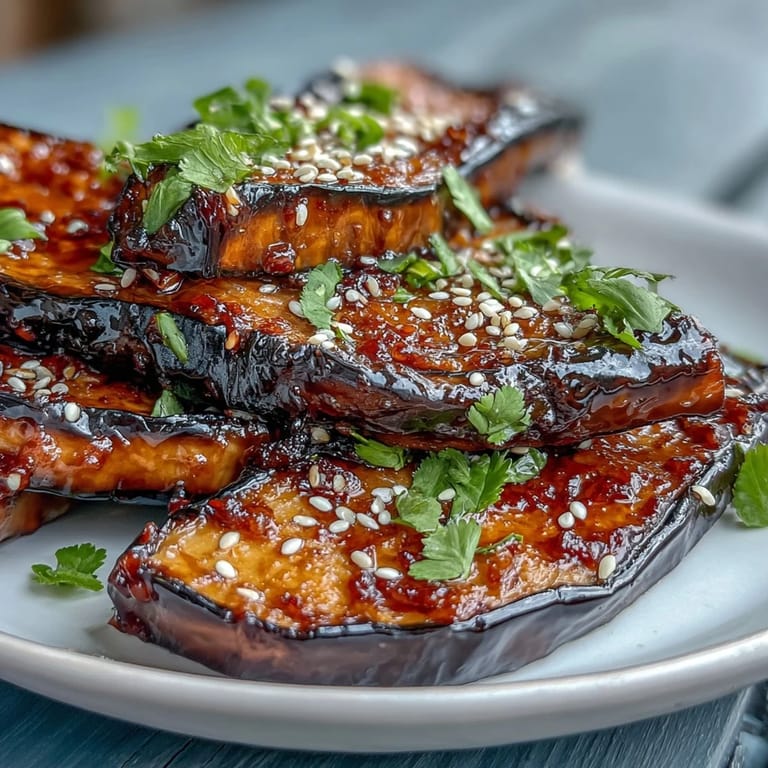
- Roast for 8 to 10 more minutes until the glaze is bubbling and dark gold at the edges. Watch it closely because ovens vary, and you want caramelization, not char (unless you're into that, then broil it for 1 to 2 minutes).
- Plate and garnish:
- Transfer to plates while hot, scatter green onions, sesame seeds, and cilantro over the top, and serve immediately. Everything tastes best when the eggplant is still warm and the glaze is still slightly tacky.
 Save
Save What stays with me most is how my partner, who usually skips vegetables entirely, ate three entire steaks without even thinking about it. He was too busy talking about something else, fork moving automatically, and when his plate was clean, he looked down surprised, like his hands had acted without permission. That's when you know you've made something that transcends the ingredient list.
What to Serve This With
Steamed rice is the obvious partner—it soaks up the glaze that pools on the plate—but I've also served these over quinoa when I wanted something nuttier, or alongside a simple green salad if the meal needed brightness. The eggplant is rich enough to stand alone, though, which is what makes it feel like an actual main course instead of a side that wandered onto the plate.
Make It Yours
Once you understand how these flavors work together, you can play with them freely. I've swapped the maple syrup for agave, added a quarter teaspoon of chili flakes for heat that sneaks up on you, and even doubled the ginger when I was feeling under the weather. The framework stays the same, but the details are yours to adjust.
Why This Matters More Than You'd Think
Learning to cook vegetables this way—with technique and respect and flavors that don't apologize—changes your entire approach to eating. It stops feeling like deprivation and starts feeling like abundance. Every time you make this, you're proving to yourself and anyone eating with you that vegetables deserve just as much care as anything else on the table.
- Buy eggplants that feel heavy for their size, which means more flesh and fewer bitter seeds inside.
- Always use toasted sesame oil, never the pale refined kind, because the difference in flavor is enormous and worth it.
- Brush on that glaze with confidence—there's no such thing as too much when you're aiming for caramelization.
 Save
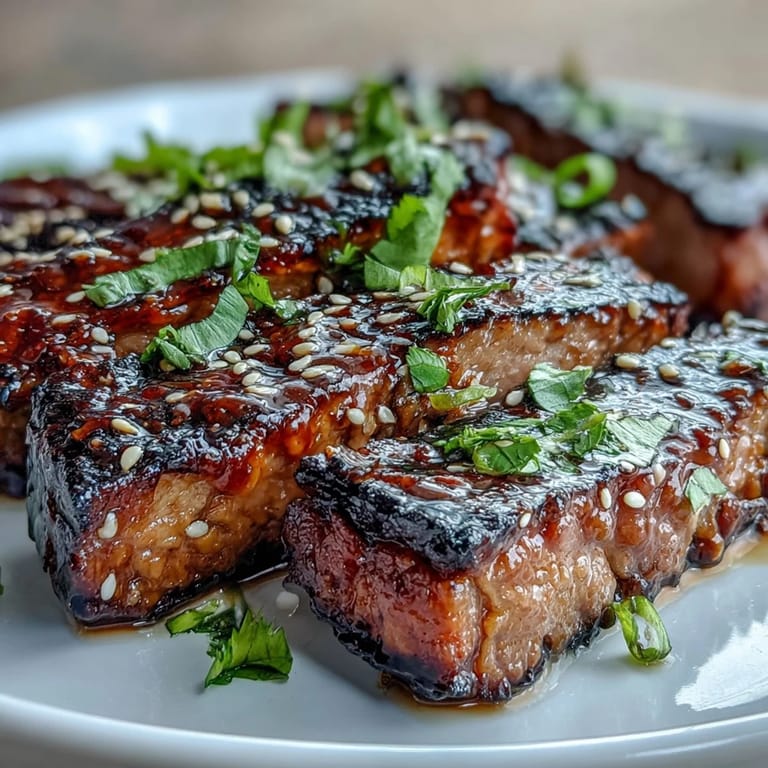
Save This dish taught me that vegetarian cooking isn't about replacement or sacrifice—it's about possibility. Once you taste how good eggplant can be, everything else just becomes dinner.
Recipe FAQs
- → How do I achieve a caramelized miso glaze?
Brush the prepared glaze generously over the roasted eggplant slices, then return them to the oven for 8–10 minutes to allow the glaze to bubble and caramelize.
- → Can I make this dish gluten-free?
Yes, substitute regular soy sauce with tamari and ensure your miso paste is labeled gluten-free for safe preparation.
- → What is the best way to slice eggplant for this dish?
Slice eggplant into thick 1-inch rounds to maintain a steak-like texture and prevent it from becoming too soft during roasting.
- → Can I add heat to the miso glaze?
Absolutely! Incorporate chili flakes into the glaze mixture before brushing to add a subtle spicy kick.
- → How should I serve the eggplant steaks?
Serve hot, garnished with sliced green onions, toasted sesame seeds, and optional cilantro. They pair perfectly with steamed rice, quinoa, or a fresh green salad.