 Save
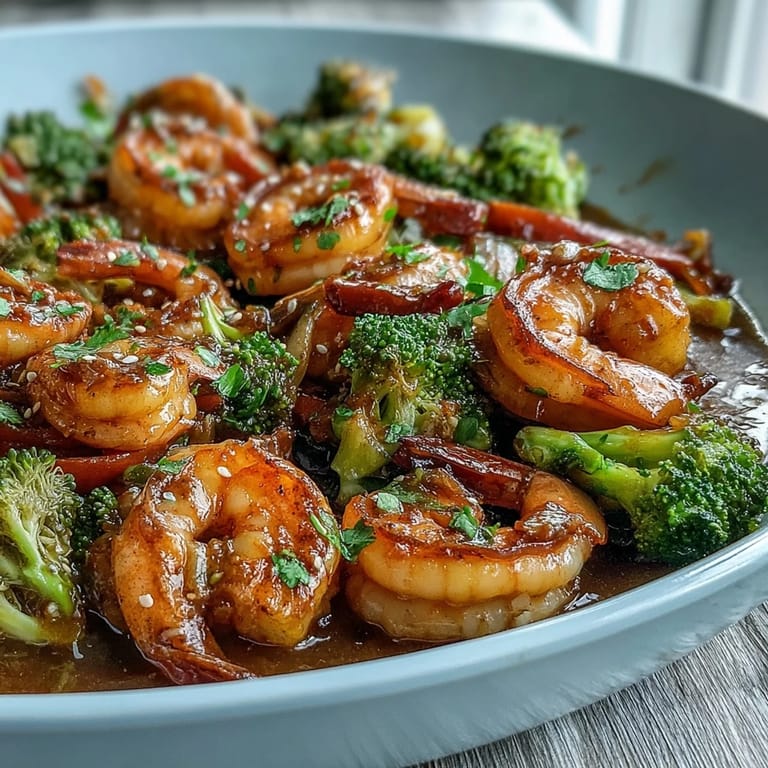
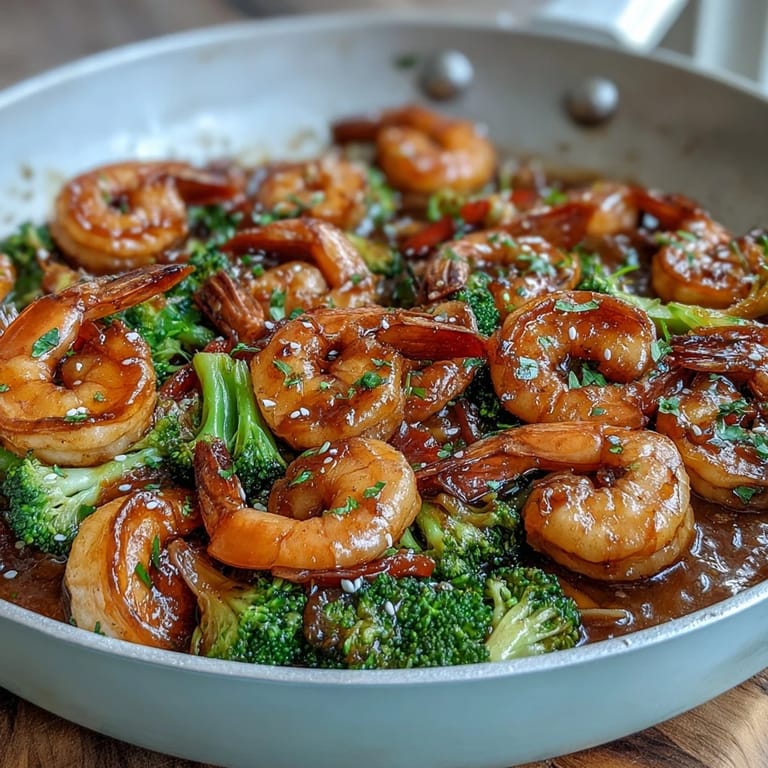
Save There's a Tuesday night when my neighbor knocked on the door just as I was heating up the wok, and the smell of garlic and ginger hit her before she even stepped inside. She asked what I was making, and I realized in that moment how this shrimp stir-fry had become my go-to answer when I wanted something fast but impressive, something that looked like effort without the stress. The vegetables snap in the pan, the shrimp turn coral-pink in seconds, and by the time the sauce coats everything, you've got dinner that tastes like you've been cooking all day.
I made this for my sister when she was going through a phase of trying to eat healthier, and watching her come back for seconds told me something was working. The vegetables stay crisp instead of turning to mush, and the shrimp cooks so quickly that it stays tender and sweet. She's been making it ever since, though she swears her version is better because she adds extra ginger, which honestly, she's right about.
Ingredients
- Large shrimp, peeled and deveined (1 lb): Buy them fresh if you can, but honestly, frozen ones from the bag work beautifully too as long as you thaw them completely and pat them dry before cooking.
- Red and yellow bell peppers: The color matters here as much as the flavor does, so don't skip the two different kinds if you want that restaurant-worthy look.
- Broccoli crown: Cut the florets small so they cook through quickly and stay bright green.
- Carrot, julienned: Use a vegetable peeler or julienne tool to get thin strips that cook in the same time as everything else.
- Sugar snap peas: These are the ones you can eat whole, and they add a subtle sweetness that ties the whole dish together.
- Green onions: Save half of the greens for garnish so you get that fresh pop at the end.
- Low-sodium soy sauce: The salty backbone of the sauce, and going low-sodium lets you taste everything else.
- Oyster sauce: Optional but worth it if you have it, adds a subtle umami depth.
- Sesame oil: Just a little bit goes a long way here, so don't pour it like water.
- Honey or brown sugar: This balances the salt and soy, making the sauce taste round and complete.
- Rice vinegar: A splash of acid that brightens everything up and keeps it from tasting heavy.
- Cornstarch and water: This is your secret to that glossy, clinging sauce that makes people think you know what you're doing.
- Vegetable oil: Canola or peanut oil works best because they can handle the heat without smoking.
- Garlic and ginger: Mince the garlic fine and grate the ginger fresh, because that's where the magic actually lives.
- Sesame seeds and cilantro: The garnish that makes people lean in and say it looks fancy.
Tired of Takeout? 🥡
Get 10 meals you can make faster than delivery arrives. Seriously.
One email. No spam. Unsubscribe anytime.
Instructions
- Make the sauce first:
- Whisk together soy sauce, oyster sauce, sesame oil, honey, rice vinegar, cornstarch, and water in a small bowl and set it aside. This way you're not scrambling once the shrimp hits the pan and everything starts moving fast.
- Get your shrimp ready:
- Pat them completely dry with paper towels and give them a light sprinkle of salt and pepper. Dry shrimp is the key to getting them to sear properly instead of steaming.
- Cook the shrimp first:
- Heat a tablespoon of oil in your wok or skillet over medium-high heat until it shimmers, then add the shrimp and let them sit for a minute before stirring. They'll turn from gray to pink in about 2 to 3 minutes, and that's when you know they're done; pull them out onto a plate.
- Toast the aromatics:
- Add your remaining oil to the hot pan, then immediately add the garlic and ginger and let them sizzle for just 30 seconds. You want the smell to hit you like a wave, but you don't want them to burn.
- Get the vegetables moving:
- Throw in your peppers, broccoli, carrot, and snap peas all at once and keep stirring constantly for 3 to 5 minutes. You're looking for that crisp-tender texture where they still have a little snap when you bite them.
- Bring it all back together:
- Return the shrimp to the pan along with the green onions, pour in your sauce, and stir everything to coat evenly. The cornstarch will do its thing and the sauce will thicken up into something glossy and gorgeous in about 2 to 3 minutes.
- Finish with flair:
- Turn off the heat, sprinkle with sesame seeds and cilantro, and serve it right away with rice or noodles. The longer it sits the softer the vegetables get, so timing is everything here.
 Save
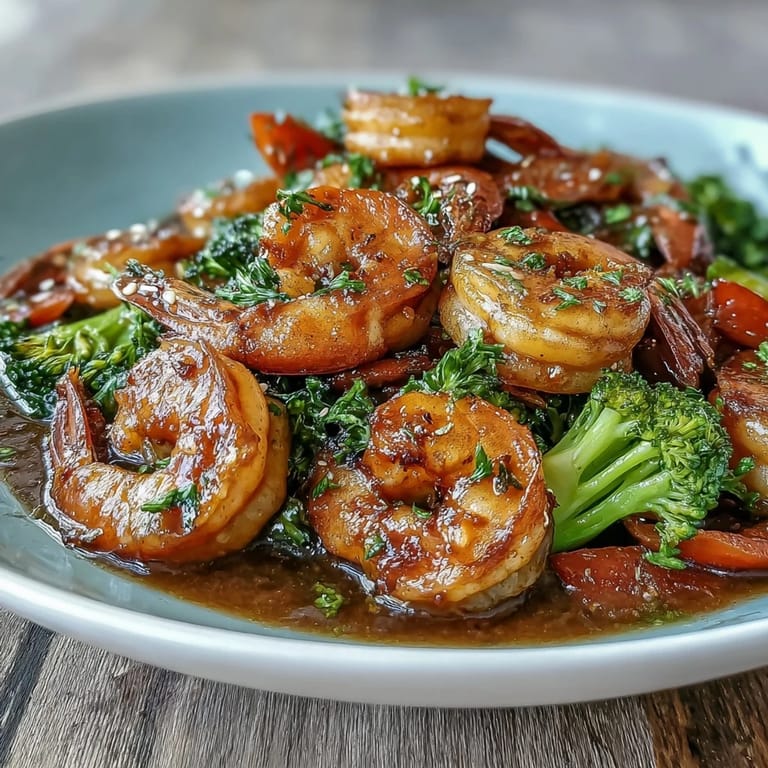
Save I remember standing in my kitchen on a rainy evening, sauce bubbling in the pan, and my roommate walking in at exactly the right moment to see me plate everything up. The steam rose off the bowl and caught the light, and for a second it didn't feel like dinner, it felt like something I'd created. That's when I understood why people love cooking, not just eating.
Why Timing Matters
The magic of a stir-fry is that everything happens in real time, which means you can't walk away and check your phone. Your attention is part of the recipe, and honestly that's kind of nice because it forces you to be present. I've learned that the moment you see the vegetables start to look glossy and the sauce hits the pan is the moment you're about 60 seconds from perfection.
How to Make It Your Own
Once you nail the basic technique, this recipe becomes a playground for whatever vegetables you have hanging around in your crisper drawer. I've thrown in asparagus, mushrooms, water chestnuts, and baby bok choy depending on the season and my mood. The sauce stays the same, the shrimp stays the same, but somehow it never feels repetitive because you're working with what's fresh.
- If you want heat, add a pinch of red pepper flakes or slice a fresh chili and toss it in with the garlic and ginger.
- For a gluten-free version, swap regular soy sauce for tamari and make sure your oyster sauce is certified gluten-free.
- Leftovers keep for two days in the fridge, but reheat them gently in the wok with a splash of water so the vegetables don't get sad.
Serving It Right
The best part about this dish is that it comes together on the plate looking like you spent hours planning it when really you were free 20 minutes ago. Serve it over steamed jasmine rice to soak up the sauce, or use noodles if you want something with more texture. Either way, this is the kind of dinner that makes weeknights feel a little bit special.
 Save
Save This is the recipe I make when I want to feel like I'm doing something right in the kitchen without it taking over my evening. It's quick, it's honest, and it tastes like you know what you're doing.
Recipe FAQs
- → How do I keep shrimp tender in this dish?
Cook shrimp briefly over medium-high heat until just pink, about 2-3 minutes. Overcooking makes them tough.
- → Can I use frozen shrimp for this dish?
Yes, thaw shrimp completely and pat dry before cooking to avoid excess moisture in the stir-fry.
- → What vegetables work best in this stir-fry?
Bell peppers, broccoli, carrots, sugar snap peas, and green onions provide the ideal mix of textures and flavors.
- → How can I make the sauce thicker?
The cornstarch slurry added at the end helps thicken the sauce; adjust the amount to reach your preferred consistency.
- → Are there easy substitutions for soy or oyster sauce?
Tamari is a great gluten-free soy sauce alternative; for oyster sauce, vegetarian mushroom-based versions can be used.