 Save
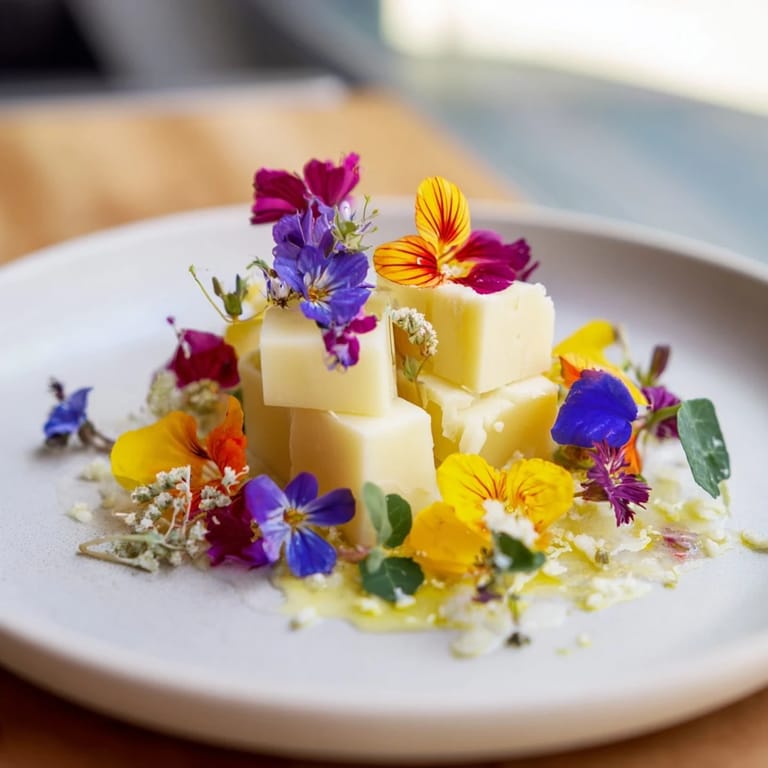
Save I discovered this dish entirely by accident at a farmer's market one spring afternoon when a vendor casually handed me a nasturtium flower to taste. That peppery bite, so unexpected, sparked something—what if I built an entire experience around that element of surprise? The idea of hiding treasures in a garden landscape came to me while arranging the purchase: cheese cubes buried beneath living greens, waiting to be discovered. It felt less like cooking and more like creating a small, delicious secret.
I made this for my sister's engagement dinner last June, and watching her guests actually lean in and search the board with real curiosity was magic. Someone's grandmother asked why every restaurant doesn't do this, and honestly, I've been wondering the same thing ever since. It became less about the appetizer and more about the conversation it sparked—people actually talked to each other while foraging.
Ingredients
- Aged cheddar: Choose a sharp block you'd actually enjoy eating plain; the intensity matters here since it's the star performer hiding beneath the greens.
- Goat cheese: Its tang creates a beautiful contrast with delicate flowers and adds a creamier texture to the experience.
- Gruyère: This is your sophisticated note—nutty and subtle, it pairs beautifully with borage and pansies without overpowering them.
- Microgreens (pea shoots, radish greens, or mixed micro herbs): These do the actual hiding work while adding a gentle, peppery crunch that echoes the edible flowers.
- Edible flowers (nasturtiums, pansies, violets, borage, calendula): Buy from specialty grocers or growers you trust; this is genuinely important because you need to know they've never been sprayed with anything.
- Extra virgin olive oil: Optional but worth it for a light drizzle that catches light and adds richness without drowning the delicate flavors.
- Flaky sea salt and freshly ground black pepper: These simple seasonings are your only chance to enhance the natural flavors of everything else.
Tired of Takeout? 🥡
Get 10 meals you can make faster than delivery arrives. Seriously.
One email. No spam. Unsubscribe anytime.
Instructions
- Cube your cheeses with intention:
- Cut each cheese into roughly half-inch cubes—small enough to feel like a discovery, large enough to stand alone. Cheddar might be slightly firmer (easier cuts), while goat cheese demands a sharp, cold knife and a gentle touch to avoid crumbling.
- Arrange on your canvas:
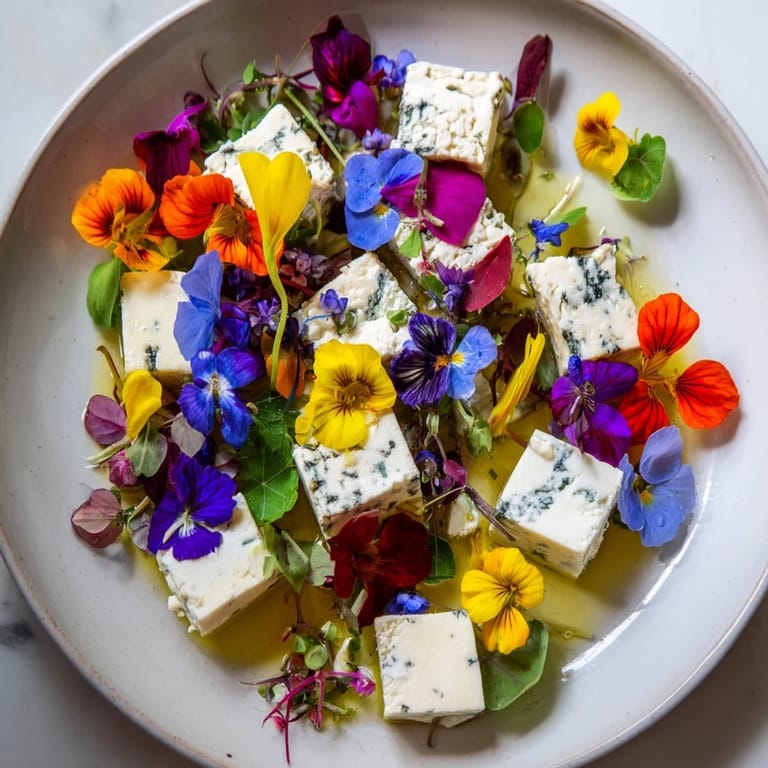
- Spread the three cheeses across your board with intention, leaving breathing room between clusters. Think landscape, not overcrowding; you're creating pockets where microgreens will nestle naturally.
- Layer the first veil:
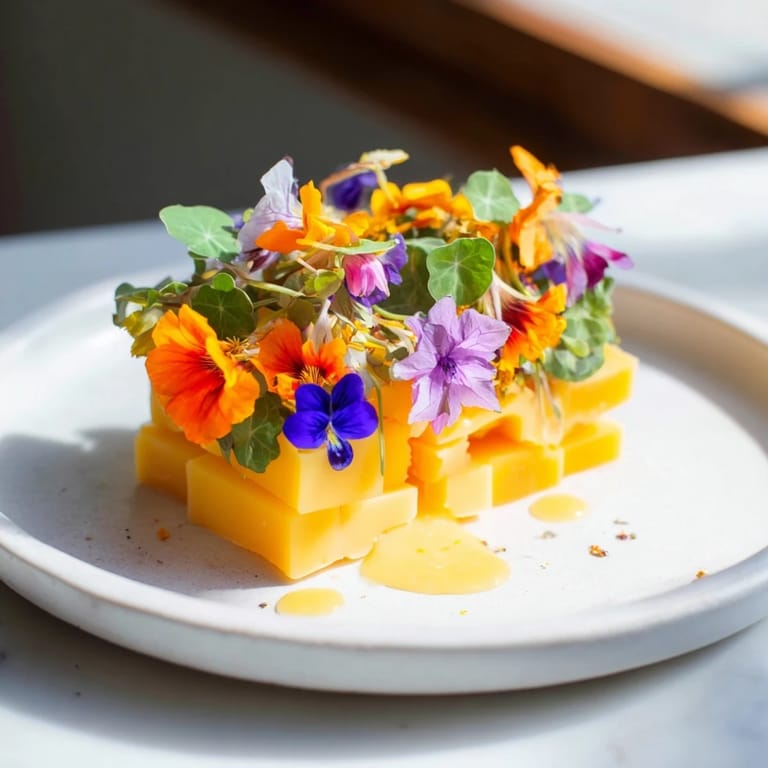
- Scatter microgreens generously but not obsessively—you want people to catch glimpses of cheese between the green, not hunt for an hour. The goal is intrigue, not a treasure hunt that requires a map.
- Tuck in the flowers:
- Place edible flowers individually among the microgreens, pressing them gently so they stay put but still feel fresh. This is where the magic happens; the colors should feel like a living garden, not a decorative afterthought.
- Finish with whispers:
- If using olive oil, drizzle it so lightly that it catches at certain angles rather than pooling anywhere. A small pinch of flaky sea salt and a few generous grinds of pepper complete the picture without overwhelming anything.
 Save
Save What made this recipe stick with me wasn't the sophistication—it was watching my friend's four-year-old nephew gently separate microgreens to find cheddar, then eating a violet for the first time. He announced, very seriously, that his dinner was playing hide-and-seek with him. Sometimes the best recipes aren't about technique or flavor combinations; they're about the unexpected joy someone finds in a plate.
Why Foraged Appetizers Matter
In a world of passed trays and identical bites, asking guests to actively participate in their appetizer changes everything. You're not just feeding people; you're giving them permission to play with their food, to have a conversation about where each element came from, to slow down for a moment. There's something deeply satisfying about uncovering exactly the cheese you wanted, exactly when you wanted it.
Flower Selection and Storage
Not all flowers are created equal, and some varieties hold their color and freshness better than others depending on the season. Nasturtiums are peppery and bold, pansies offer a mild, slightly sweet note, violets are delicate and almost shy, borage brings a subtle cucumber hint, and calendula adds warmth and a slight tang. Keep them in a damp paper towel in the coldest part of your fridge until the very last moment—even a few hours of sitting out can cause petals to wilt or bruise.
Cheese Pairing Wisdom
The beauty of this arrangement is that you're not forcing cheeses into a rigid role; they get to shine individually while also creating harmony together. The cheddar's sharpness grounds the experience, goat cheese's creaminess complements floral notes beautifully, and Gruyère adds depth without competition. If you want to swap in Manchego for a Spanish angle or crumbled feta for something brighter, absolutely do—just make sure whatever you choose tastes wonderful on its own because it will be tasted that way.
- Let cheeses sit at room temperature for five minutes before serving so their true flavors emerge.
- If you're planning ahead, cube cheese earlier in the day and keep it wrapped individually so flavors don't bleed together.
- Trust your palate; if a cheese tastes good to you plain, it will sing in this context.
 Save
Save This recipe teaches you something every time you make it: that sometimes the most elegant gesture is simply inviting people to participate in their own meal. Serve it with warmth, watch what happens, and remember that food tastes better when there's a little magic in the presentation.
Recipe FAQs
- → What types of cheese work best for this dish?
Aged cheddar, goat cheese, and Gruyère are ideal for balancing flavors and textures, but alternatives like Manchego or feta can also be used for variety.
- → Are the edible flowers safe to consume?
Yes, ensure all flowers are pesticide-free and sourced from reputable suppliers labeled as edible to guarantee safety.
- → How should I store leftovers?
Cover remaining portions tightly and refrigerate to maintain freshness, but it's best enjoyed fresh for optimal texture and flavor.
- → Can I add any garnishes for extra crunch?
Thinly sliced radishes or cucumbers can add a pleasant crunch and complement the freshness of the greens and cheeses.
- → What drink pairs well with this appetizer?
Crisp white wine or a sparkling rosé complement the creamy cheeses and fresh flavors perfectly.