 Save
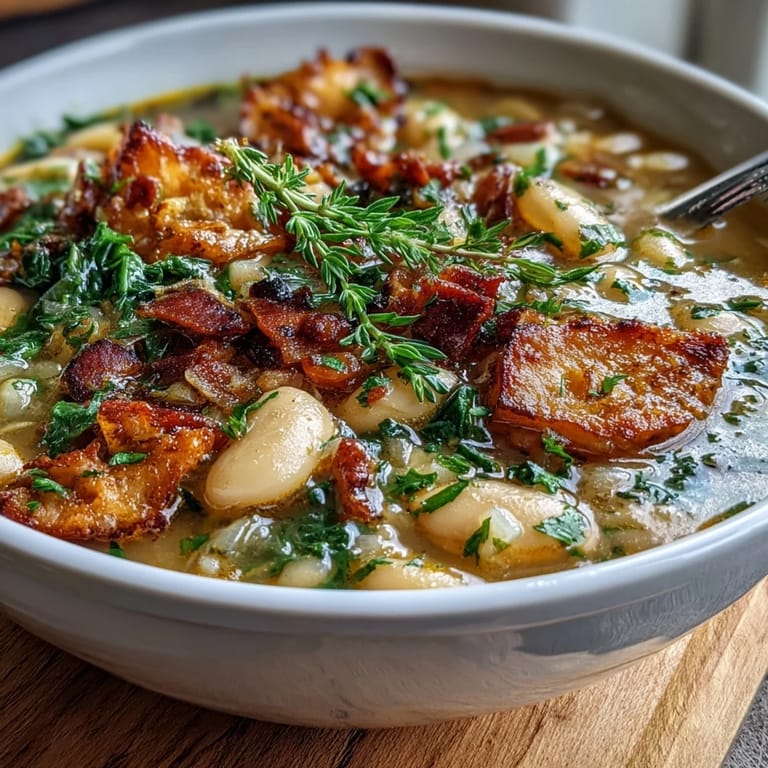
Save My grandmother kept a massive freezer full of ham bones and leftover ham chunks from holiday dinners, and this soup was her quiet solution to making sure nothing went to waste. One February afternoon, watching her layer those soaked lima beans into a steaming pot while snow fell outside, I realized the magic wasn't in any single ingredient—it was in how patience turned simple things into something worth gathering around. She never measured much, just moved through the kitchen with the confidence of someone who'd made this soup a hundred times before.
I served this soup at my college apartment one dreary November night when my roommate was homesick and feeling miserable with a cold. She took one spoonful and got quiet—the kind of quiet that means comfort is doing its job. By the time she finished the bowl, she was already feeling better, or at least ready to feel better, and that's when I understood why my grandmother made this so often.
Ingredients
- Cooked ham, diced (2 cups): Choose ham with good color and marbling—the meatier pieces will give you more flavor and texture than thin, pre-sliced options, and they won't dissolve into the broth as quickly.
- Dried lima beans, soaked overnight and drained (2 cups): Soaking overnight isn't just tradition; it cuts the cooking time significantly and makes the beans digest more easily, plus they'll have a better texture.
- Large onion, diced (1): Use a yellow or sweet onion if you can—they caramelize gently and add a subtle sweetness that balances the salt from the ham.
- Medium carrots, diced (2): Cut them into roughly the same size as your onion pieces so everything cooks evenly and looks intentional in the bowl.
- Celery stalks, diced (2): Don't skip the celery; it's the quiet backbone that gives depth even though you won't taste it distinctly.
- Garlic cloves, minced (3): Fresh garlic matters here—jarred won't give you that sharp, aromatic punch that wakes up the whole pot.
- Low-sodium chicken or vegetable broth (8 cups): Low-sodium lets you control the final salt level, and homemade broth makes a noticeable difference if you have it on hand.
- Bay leaf (1): Remove it before serving—I learned this lesson the hard way when my uncle bit into one at a dinner party.
- Dried thyme (1 teaspoon): Thyme has an earthy quality that pairs perfectly with lima beans and ham without overpowering anything.
- Black pepper (½ teaspoon): Freshly ground pepper tastes noticeably better than pre-ground, and you can always add more at the end.
- Salt, to taste: Wait until the end to salt—the ham and broth already contribute sodium, and you might not need as much as you think.
- Fresh parsley, chopped, optional (2 tablespoons): A scattered handful at the end adds color and a fresh note that cuts through the richness.
Tired of Takeout? 🥡
Get 10 meals you can make faster than delivery arrives. Seriously.
One email. No spam. Unsubscribe anytime.
Instructions
- Prepare your beans:
- Rinse and drain the soaked lima beans under cold water—you're rinsing away compounds that cause bloating, and the beans should feel smooth, not sticky.
- Build your aromatics:
- Heat a splash of oil in your large pot over medium heat and add the onion, carrots, and celery together. Let them soften for about five minutes, stirring every couple minutes so nothing catches on the bottom—you want them translucent and fragrant, not browned.
- Wake it up with garlic:
- Stir in the minced garlic and cook just one minute more—any longer and garlic turns bitter, which would throw off your whole soup.
- Combine everything:
- Add the ham, drained lima beans, broth, bay leaf, thyme, and black pepper all at once. The pot will smell incredible immediately. Bring it to a boil over medium-high heat, then reduce the heat to low and let it simmer uncovered for about an hour and fifteen minutes, stirring occasionally.
- Test for doneness:
- The beans should be completely tender—pick one up and squeeze it gently; if it falls apart or mashes easily between your fingers, you're done. If they still have any firmness, keep simmering and check every ten minutes.
- Finish and serve:
- Fish out the bay leaf with a spoon. Taste the soup and adjust salt and pepper as needed—remember, you're seasoning now, so be generous but careful. Ladle into bowls and scatter fresh parsley on top if you have it.
 Save
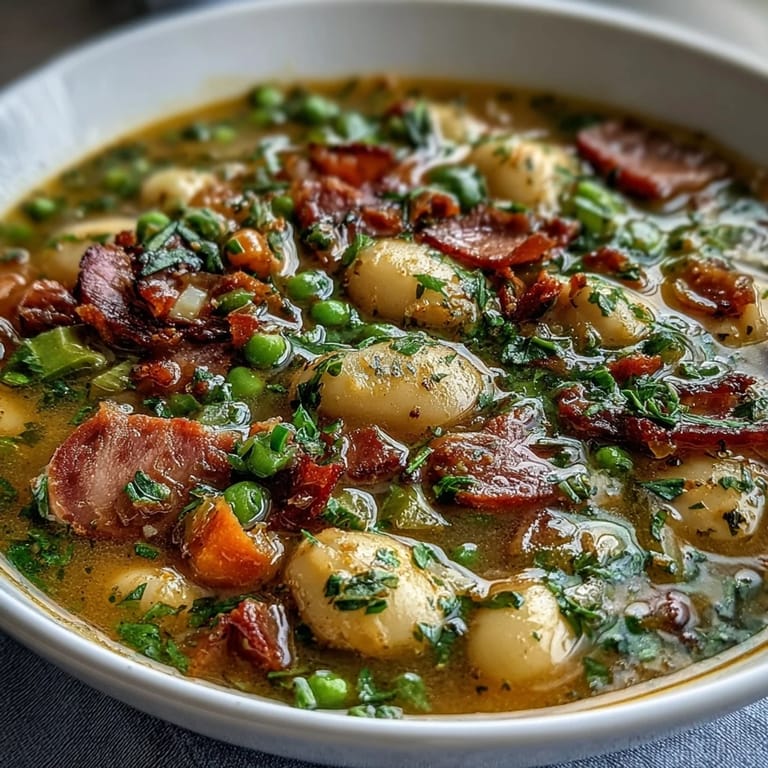
Save Years later, when my grandmother passed and I inherited some of her old cookbooks with their splattered pages and penciled notes, I found her recipe for this soup. But here's the thing—she'd never actually written it down in any formal way. Every recipe she owned was just a reference point; the real recipe lived in her hands, her timing, her taste as she cooked. I finally understand why she never minded when people asked her how she made it, because the answer was never about following steps perfectly—it was about making something with intention and then feeding people with love.
Why Lima Beans Matter
Lima beans have an unfair reputation for being mushy or boring, usually because people overcook them or use canned ones that were already overcooked before they hit the can. Fresh dried lima beans, treated with respect, have this creamy texture that's almost buttery—they're not supposed to hold their shape like kidney beans do. When they soften completely in the broth, they actually thicken the soup naturally, creating a silky mouthfeel without needing any cream or flour.
The Secret Life of Ham in Soup
The best thing about using cooked ham in soup is that you're not trying to cook the ham itself—the ham is already cooked, so it's really just flavoring the broth with its salt and smokiness. This means you can add it at the beginning without worry, and the longer it simmers, the more it releases its flavor into the liquid. The ham pieces also stay tender and flavorful instead of becoming tough, which is what happens when you cook raw ham for a long time.
Making This Soup Your Own
The bones of this recipe are sturdy enough that you can play with it without breaking it. Some people add diced potatoes for extra heartiness, others stir in a splash of apple cider vinegar at the end for brightness, and I've seen versions where spinach or kale gets added in the last few minutes. The foundation of ham, beans, and aromatics will hold up to whatever changes you want to make.
- For a vegetarian version, skip the ham and add smoked paprika for depth—about half a teaspoon will give you that savory, slightly smoky character.
- If you have ham stock made from a ham bone, use that instead of chicken broth for an even richer flavor.
- Leftover soup keeps in the refrigerator for up to five days and actually tastes better the next day once the flavors have had time to settle together.
 Save
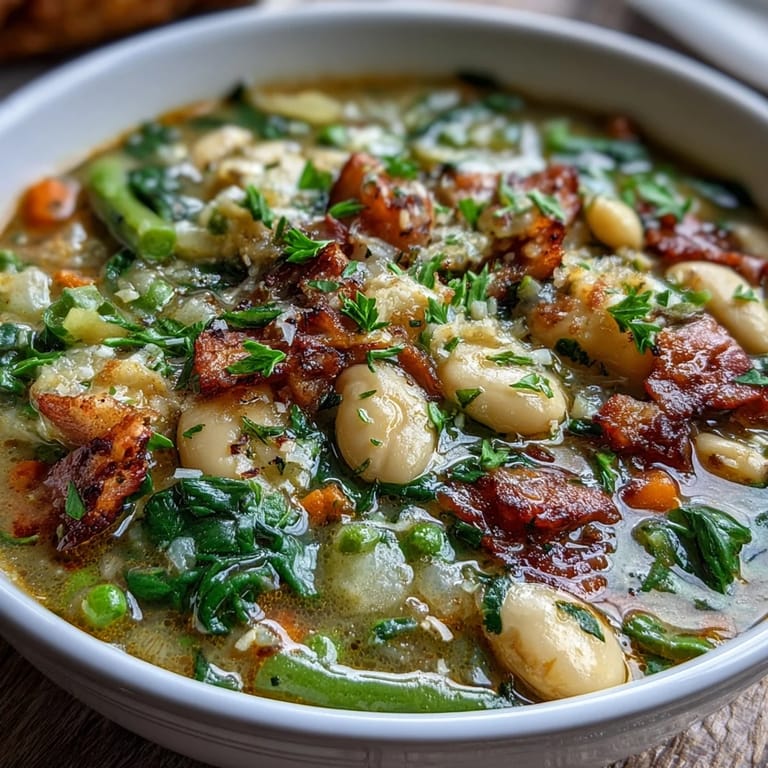
Save This soup is the kind of dish that asks for nothing fancy, nothing complicated—just your presence at the table and an appetite for something warm and honest. It'll be waiting for you on cold days, the same way comfort should always be.
Recipe FAQs
- → Can I use smoked turkey instead of ham?
Yes, smoked turkey works well as a lighter alternative, providing a similar smoky depth while keeping the dish tender.
- → How should I prepare the lima beans before cooking?
Soak dried lima beans overnight and drain them before adding to the pot to ensure even cooking and a creamy texture.
- → What vegetables enhance the flavor of this dish?
Onions, carrots, celery, and garlic sautéed at the start create a savory base that complements the ham and beans perfectly.
- → Is it necessary to use a bay leaf in this dish?
Including a bay leaf during simmering adds a subtle herbal aroma that deepens the overall flavor profile.
- → Can this dish be made vegetarian?
Omit the ham and incorporate smoked paprika or other flavorful spices to maintain a rich, satisfying taste.