 Save
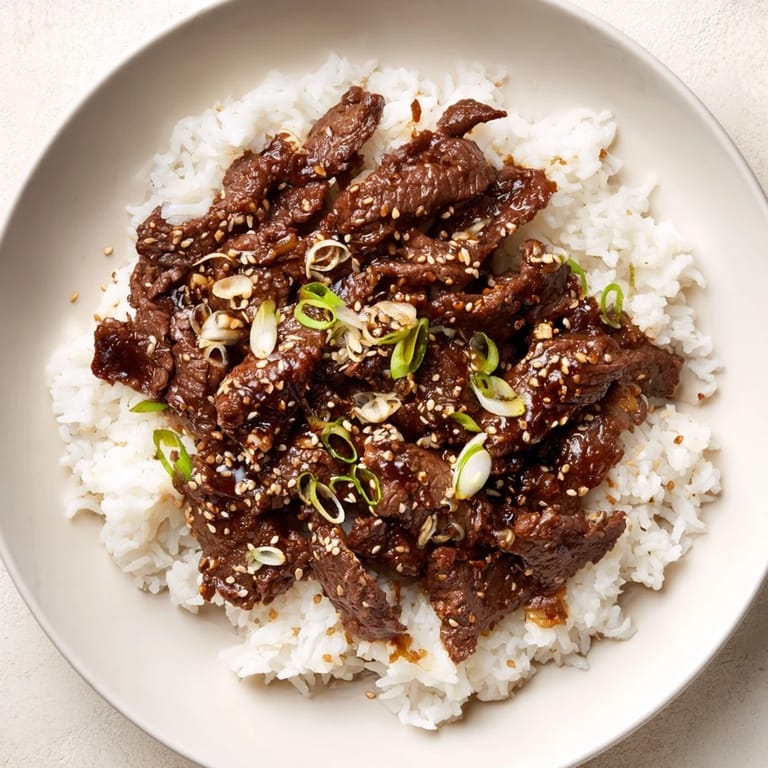
Save The first time I made bulgogi at home, my kitchen filled with this incredible caramelized aroma that had my roommate asking questions before she even walked in the door. I'd been craving it from my favorite Korean spot downtown, but one rainy Tuesday I decided to attempt it myself with beef I found at the market. That marinade—the way the pear juice mingled with soy and sesame—felt like unlocking a small secret, and when those strips hit the hot wok, the sizzle was pure magic.
I made this for friends last month when someone mentioned they'd never had homemade Korean food, and watching their faces when they tasted that first bite was exactly why I cook. The bowl came together so quickly that I had time to set a real table, light a candle, make it feel intentional rather than rushed.
Ingredients
- Beef sirloin or ribeye, thinly sliced (500g): The thinness is everything—ask your butcher to slice it, or freeze the meat slightly and use a sharp knife to get those tender, quick-cooking pieces that caramelize beautifully.
- Soy sauce (3 tbsp): The backbone of the marinade; go for quality here because you'll taste it directly.
- Brown sugar (2 tbsp): Balances the salt and encourages that golden crust when the beef hits the pan.
- Sesame oil (1 tbsp): Use the toasted kind—it's potent, so a little goes a long way and transforms the whole marinade.
- Rice vinegar (1 tbsp): Brightens everything without the sharpness of regular vinegar; if you only have white vinegar, use half the amount.
- Garlic and ginger (2 cloves and 1 thumb-sized piece): Fresh is non-negotiable; the heat brings both to life in ways bottled versions can't match.
- Pear or sweet apple, grated: The secret weapon that nobody guesses—it adds sweetness and natural enzymes that tenderize the beef gently.
- Gochujang (1 tbsp, optional): Only add this if you want heat; it's wonderful but transforms the dish into something spicier.
- Scallions and sesame seeds: Texture and nuttiness in the marinade, then again as garnish for brightness and crunch at the end.
- Black pepper (1/4 tsp): A whisper of it, not a shout; you want the other flavors to lead.
- Rice (2 cups cooked): Jasmine or short-grain holds the sauce better than long-grain and adds a subtle sweetness that plays nicely with the beef.
- Vegetables (carrots, cucumber, bean sprouts): The crispness here is your counterpoint to the rich, glossy beef; don't skip the blanching step on sprouts, it softens them just enough.
- Kimchi (1 cup, optional): If you have it, a small handful adds fermented tang and a little heat that ties everything together.
Tired of Takeout? 🥡
Get 10 meals you can make faster than delivery arrives. Seriously.
One email. No spam. Unsubscribe anytime.
Instructions
- Build the marinade:
- In a large bowl, combine soy sauce, brown sugar, sesame oil, rice vinegar, minced garlic, grated ginger, grated pear, gochujang if using, sliced scallions, sesame seeds, and black pepper. Stir it all together until the sugar dissolves and the mixture smells like something you want to eat right now.
- Marinate the beef:
- Add your thinly sliced beef to the bowl and toss it gently to coat every piece. Cover and let it sit for at least 15 minutes while you prep your vegetables—even 30 minutes makes a noticeable difference in tenderness and flavor absorption, though an hour is the sweet spot.
- Heat your pan:
- Get a large skillet or wok screaming hot over high heat; you want it almost smoking when the beef hits. This is where the magic happens—the quick sear creates that caramelized exterior while the inside stays tender.
- Cook the beef:
- Working in batches so you don't crowd the pan (crowding creates steam, not sear), add the marinated beef and let it sit for 30 seconds before stirring. You're looking for about 2 to 3 minutes total until the edges are golden and slightly charred but the center is still soft.
- Assemble the bowls:
- Divide warm rice among four bowls and arrange your cooked beef on top, then scatter the raw and blanched vegetables around it. This is the moment where it goes from ingredients to art.
- Garnish and serve:
- Finish with a sprinkle of fresh scallions and toasted sesame seeds, and serve immediately while everything is still warm and the vegetables still have snap to them.
 Save
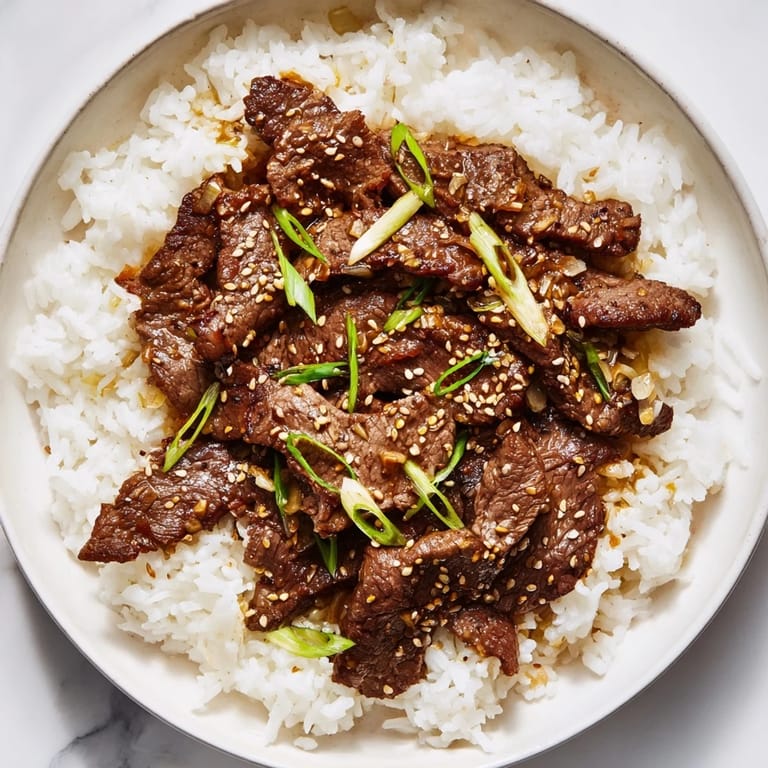
Save There's something about eating from a bowl that feels more intimate than a plate—all the flavors layered and ready to combine with each bite. This dish has become my answer when someone asks what I'm actually good at cooking, because it never fails and it tastes like effort without being difficult.
The Magic of the Marinade
The pear in this marinade isn't just a flavor choice; it's a technique. The natural enzymes in the fruit gently break down the muscle fibers in the beef, which is why even a thin slice stays tender instead of chewy. I learned this by accident when I grabbed a pear instead of my usual apple one night, and now I can't imagine making it any other way. The sesame oil needs to be the toasted kind—regular sesame oil tastes almost floral by comparison, and you want the warm, nutty depth that comes from toasting the seeds first.
Building Your Perfect Bowl
The vegetables aren't decoration; they're balance. The crisp julienne carrots, the cool crunch of cucumber, the tender blanched sprouts—each one serves a purpose beyond color. I used to serve this over plain rice, but upgrading to jasmine rice changed everything; there's a subtle sweetness that echoes the pear in the marinade and makes each bite feel complete rather than heavy. Bean sprouts seem simple until you realize their slightly nutty flavor bridges the gap between the savory beef and the fresh vegetables perfectly.
When Life Calls for Flexibility
One of the reasons I come back to this recipe is that it actually improves when you adapt it. Ran out of jasmine rice and used cauliflower rice instead, and the bowl became lighter without feeling like compromise. Added a fried egg on top last week because the yolk was sitting there and suddenly had something I might order again. The heat from gochujang is entirely up to you—start with half a tablespoon if you're uncertain, taste it, and add more if you want that gentle kick.
- For extra richness, top each bowl with a fried or soft-boiled egg and let the yolk run into the rice.
- Leftovers actually taste better the next day as the flavors continue to blend, though the fresh vegetables are best eaten right away.
- If you're cooking for someone with dietary restrictions, this adapts beautifully to gluten-free (use tamari instead of soy sauce) and is naturally dairy-free.
 Save
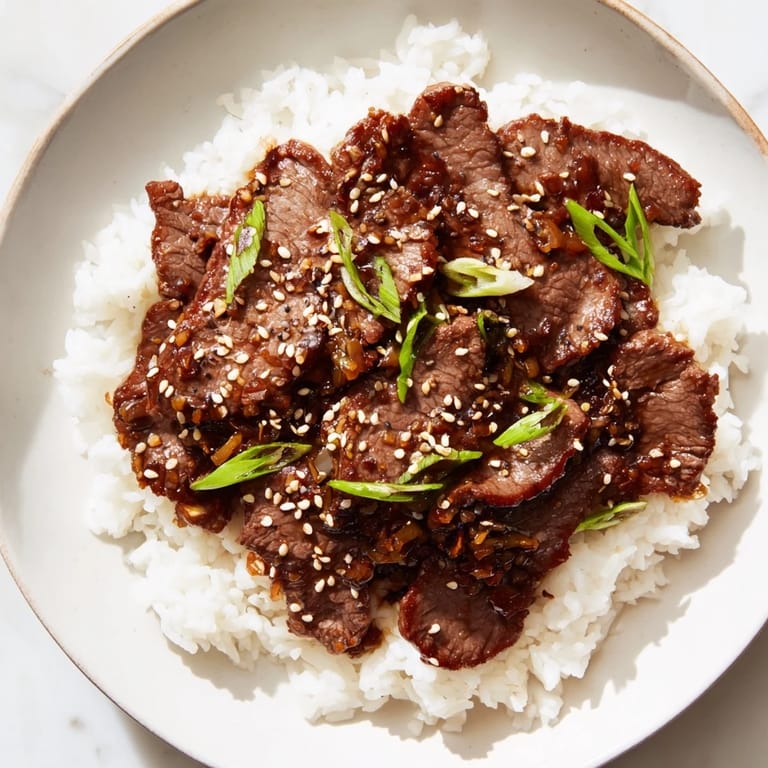
Save This bowl has become my version of comfort food, the dish I make when I want to feel like I'm taking care of myself or someone I care about. It's fast enough for a weeknight and thoughtful enough to serve at a table.
Recipe FAQs
- → What cut of beef works best for this dish?
Choose tender, quick-cooking cuts like sirloin or ribeye, sliced thinly for optimal texture and flavor.
- → Can I adjust the spice level?
Yes, add or omit gochujang (Korean chili paste) depending on your preferred heat level.
- → What alternatives are there to jasmine rice?
Try short-grain white rice or cauliflower rice for a low-carb option without sacrificing texture.
- → How long should the beef marinate?
Marinate at least 15 minutes for flavor infusion, or up to an hour for deeper taste.
- → Any tips for stir-frying?
Cook beef in batches over high heat to avoid overcrowding and ensure even caramelization.