 Save
Save My neighbor handed me a container of black-eyed peas last summer, fresh from her garden, and I had no idea what to do with them beyond the traditional Southern side dish. That's when I decided to blend them into something completely different—a creamy, garlicky hummus that tasted like the Middle East and the American South had a delicious conversation. The first spoonful changed everything; suddenly I understood why tahini and legumes were meant to be together.
I made this for a potluck where everyone brought hummus, and mine was the only one that disappeared first—not because it was fancy, but because it tasted alive, somehow earthier than the chickpea versions. Someone asked if I'd bought it at a fancy store, which made me laugh out loud while scraping the bottom of the bowl.
Ingredients
- Black-eyed peas: Use canned and rinsed if you're in a hurry, or cook them from dried if you want that fresher, slightly nuttier flavor that makes a real difference.
- Tahini: This is the backbone of the whole thing—don't skip it or substitute it, as it creates that silky texture that makes people ask what your secret is.
- Extra virgin olive oil: The quality matters here since it's not being heated, so splurge a little on something you'd actually taste in salad.
- Fresh lemon juice: Squeeze it yourself; bottled juice tastes flat and misses that bright, just-picked punch that makes the dip sing.
- Garlic: One clove is enough—too much becomes aggressive, and you want people to come back for more, not just one polite dip.
- Ground cumin: This subtle spice connects the Middle Eastern roots without announcing itself too loudly.
- Salt: A teaspoon seems small, but it's what brings every other flavor into focus.
- Water: Add it slowly; this is where you control whether your hummus is party-dip thick or sandwich-spread luxurious.
- Garnish: Paprika or sumac adds visual drama and a whisper of tang that catches people mid-bite.
Tired of Takeout? 🥡
Get 10 meals you can make faster than delivery arrives. Seriously.
One email. No spam. Unsubscribe anytime.
Instructions
- Gather and measure:
- Line up all your ingredients before you start, which takes one minute but saves you from that frantic mid-blend search for the salt.
- Combine everything in the food processor:
- Add the black-eyed peas, tahini, olive oil, lemon juice, garlic, cumin, and salt in whatever order feels natural. The processor doesn't care about sequence, but your arms will thank you for not saving the heavy stuff for last.
- Blend until creamy:
- Start on medium speed and let it run for about thirty seconds, then stop and scrape down the sides with a spatula, fishing out any stubborn peas hiding near the blade. You'll hear the texture change from chunky to smooth—that's your cue that something good is happening.
- Add water gradually:
- Drizzle in one tablespoon of water, blend for ten seconds, then decide if you need more. This step separates people who end up with peanut butter from people who make restaurant-quality hummus.
- Taste and adjust:
- Pinch a tiny bit on your finger and really think about it—does it need more brightness from lemon, or more grounding salt? This is your last chance to make it personal.
- Transfer and garnish:
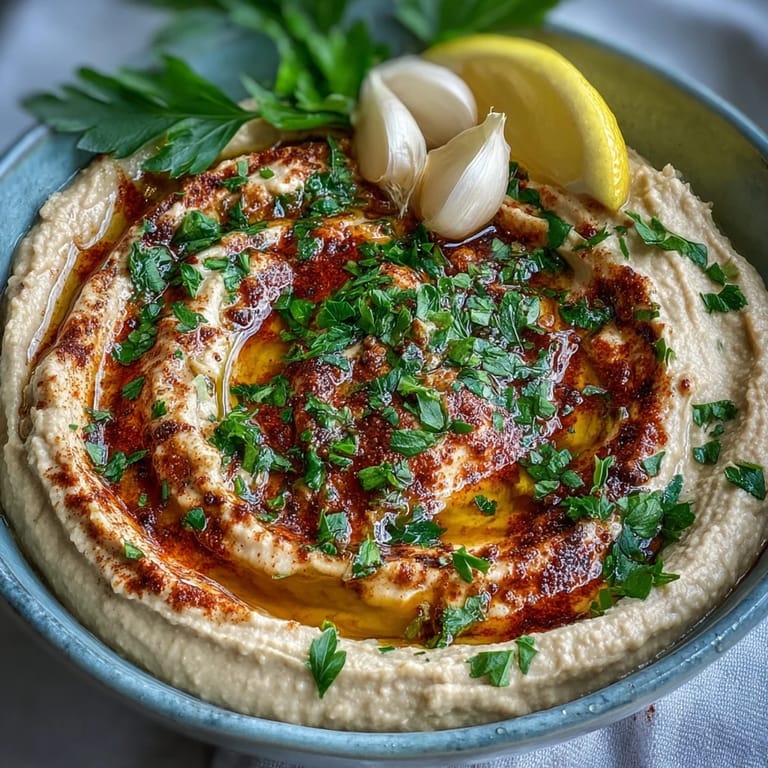
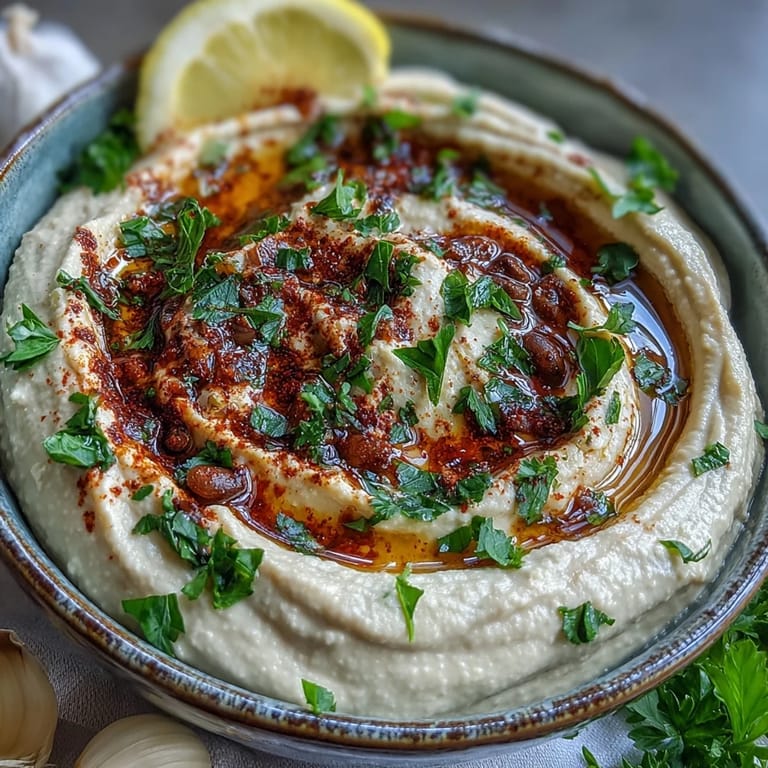
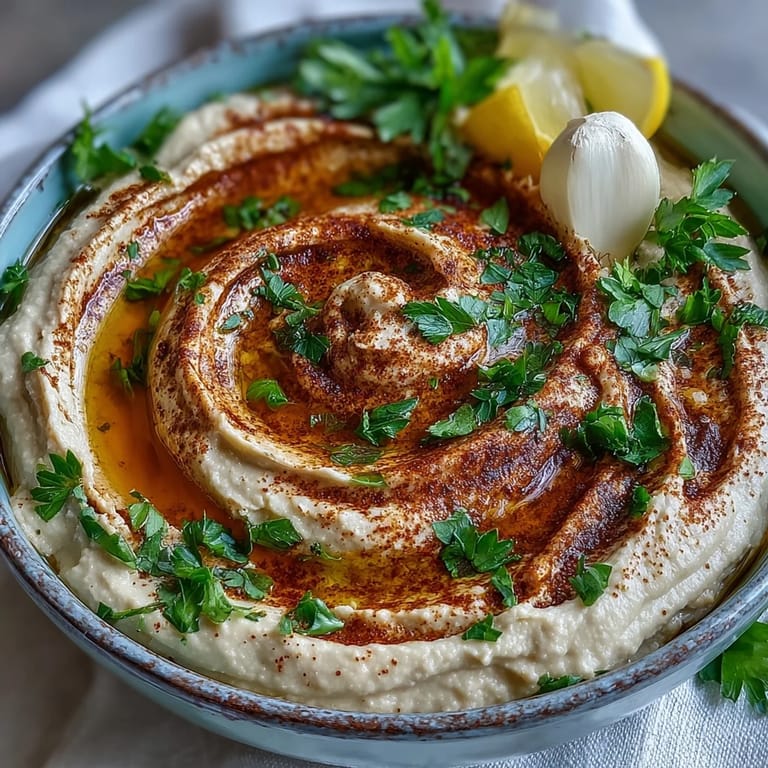
- Scoop the hummus into a bowl, create a little well in the center with the back of a spoon, then drizzle olive oil into it like you're being paid to make it look beautiful. Sprinkle paprika or sumac over the top, scatter parsley, and step back to admire your work.
 Save
Save A friend's toddler ate three spoonfuls straight without any dippers, which felt like the highest compliment—no pretense, just pure approval. That moment made me realize this wasn't just a recipe; it was proof that simple, honest food gets the job done better than anything complicated ever could.
Why Black-Eyed Peas Deserve More Love
Black-eyed peas get overlooked because people think they're only for New Year's Day or Southern comfort food, but they're secretly one of the most elegant legumes you can work with in creamy applications. They're softer and more buttery than chickpeas, which means they blend into something almost cloud-like without turning gluey or overworked. The flavor is gentler too—earthy but not overwhelming, which gives tahini and garlic plenty of room to shine through.
The Tahini Moment
Tahini is where this dip becomes something worth talking about, transforming simple peas into something that tastes like it came from a Mediterranean kitchen where someone knew exactly what they were doing. Most people only experience tahini in store-bought hummus, but making it fresh shows you why this ancient paste has survived thousands of years—it's that good. The key is not to be stingy; a full third cup creates that signature silky mouthfeel that keeps people reaching back in.
Serving and Storage Ideas
This hummus is versatile enough to be a star appetizer at dinner parties but humble enough to live in your fridge as an everyday snack, which is probably why I make it twice a month without thinking about it. It pairs beautifully with cucumber slices, bell peppers, or pita chips, but I've also spread it on sandwiches, dolloped it on grain bowls, and scooped it up with nothing but my fingers when no one was looking. Store it in an airtight container and it'll keep for four days, though between you and me, it usually doesn't last that long.
- Roasted vegetables like carrots and cauliflower become irresistible when dipped in this.
- A thin smear on turkey or roast beef sandwiches adds creaminess without mayo.
- Leftovers thin out beautifully with extra lemon juice if you want to use them as a salad dressing.
 Save
Save Every time I make this, I'm reminded that the best recipes aren't the ones with the longest ingredient lists or the most complicated steps—they're the ones that taste like someone actually cared. This black-eyed pea hummus is exactly that kind of recipe, and I hope it becomes one of yours too.
Recipe FAQs
- → Can I use canned black-eyed peas?
Yes, canned black-eyed peas work perfectly. Just drain and rinse them thoroughly before blending. One 15-ounce can equals approximately 2 cups of cooked peas.
- → How long does this hummus keep in the refrigerator?
Store in an airtight container in the refrigerator for up to 4 days. The flavors often develop and improve after a day or two.
- → What can I serve with black-eyed pea hummus?
Pair with fresh vegetables like carrots, cucumbers, and bell peppers. Warm pita bread, crackers, or use as a spread on sandwiches and wraps.
- → Can I make this without a food processor?
A high-powered blender works as an alternative. You may need to stop more frequently to scrape down the sides and add additional water for proper blending.
- → Is this hummus gluten-free?
Yes, all ingredients are naturally gluten-free. Just ensure any accompaniments like bread or crackers are certified gluten-free if needed.