 Save
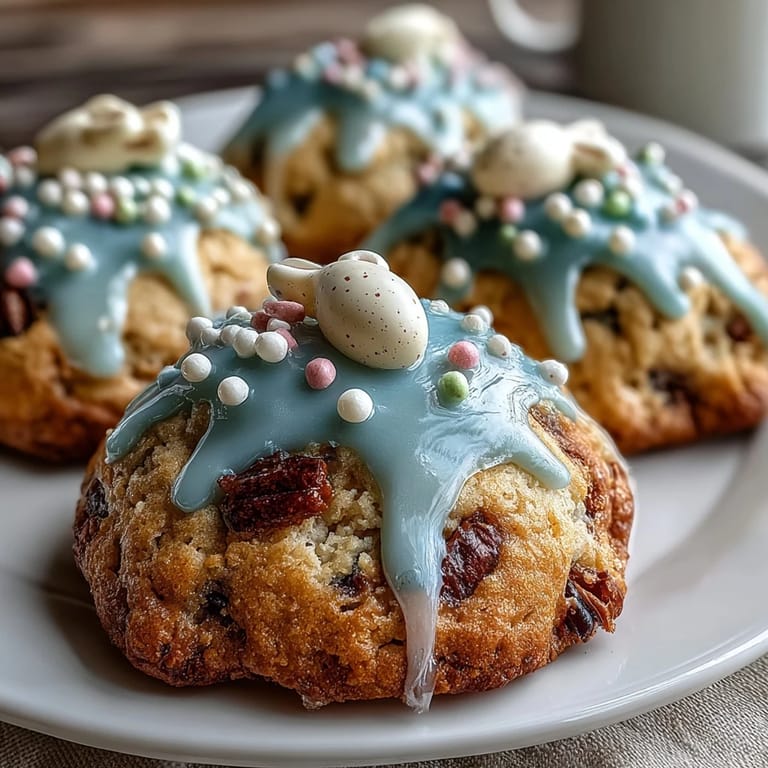
Save My sister called me in early March asking if I could make Easter cookies for her daughter's school party, and I found myself standing in my kitchen on a gray afternoon, suddenly remembering how my grandmother used to pipe royal icing with such certainty while I watched, mesmerized by how a simple squeeze transformed plain cookies into tiny edible works of art. These buttery sugar cookies with their soft crumb and vibrant pastel decorations became my answer to her request, and honestly, the project turned into something much bigger—a moment where baking felt less like following instructions and more like creating small gifts.
When my nephew bit into one of these cookies at Easter brunch last year, his eyes went wide at how the butter flavor just melted on his tongue—that exact moment reminded me why homemade matters, especially for celebrations when children notice the difference between something made with care and something from a box.
Ingredients
- All-purpose flour (2 1/2 cups): The foundation that should be measured by weight if you have a scale, as scooping can pack too much flour and make cookies dense.
- Baking powder (1/2 teaspoon): Just enough to give cookies a tender lift without making them cake-like.
- Salt (1/4 teaspoon): A small amount that enhances butter flavor more than you'd expect.
- Unsalted butter (3/4 cup, softened): Room temperature butter is essential—this is where the texture magic happens.
- Granulated sugar (1 cup): The sweetness and structure that lets you cut clean shapes without crumbling.
- Egg (1 large): Binds everything together and creates richness in the crumb.
- Vanilla extract (2 teaspoons): Use pure vanilla for a flavor that tastes like spring itself.
- Milk (1 tablespoon): Just enough moisture to bring the dough together without making it sticky.
- Powdered sugar for icing (3 cups, sifted): Sifting prevents lumps that appear in your finished decorations.
- Meringue powder (2 tablespoons): Creates stable icing that holds its shape and sets firm—this ingredient changed everything for me.
- Warm water (5-6 tablespoons): Add gradually because consistency matters more than exact measurement.
- Gel food coloring in pastels: Gel colors give vibrant hues without thinning the icing like liquid dyes do.
Tired of Takeout? 🥡
Get 10 meals you can make faster than delivery arrives. Seriously.
One email. No spam. Unsubscribe anytime.
Instructions
- Combine your dry ingredients:
- In a medium bowl, whisk flour, baking powder, and salt together—this distributes the leavening evenly so every cookie rises the same way.
- Cream butter and sugar until fluffy:
- Beat them with an electric mixer for a full 2-3 minutes until the mixture turns pale and airy, which incorporates tiny air bubbles that make cookies tender instead of dense.
- Add egg and vanilla:
- Mix until everything is pale and well combined, scraping the bowl occasionally so nothing hides on the sides.
- Bring the dough together:
- Gradually add the flour mixture on low speed, then add milk and mix until the dough just comes together—overmixing at this point toughens the cookies.
- Chill the dough:
- Divide dough in half, flatten each into a disc, wrap in plastic wrap, and refrigerate for at least 1 hour so it stays firm when you roll and cut it.
- Prepare your oven:
- Preheat to 350°F (175°C) and line baking sheets with parchment paper—this prevents sticking and ensures even browning.
- Roll and cut shapes:
- On a lightly floured surface, roll dough to 1/4-inch thickness and cut into Easter shapes like eggs, bunnies, and chicks—flour your cutters if dough sticks.
- Space cookies properly:
- Arrange them on prepared sheets about 1 inch apart so they bake evenly without touching.
- Bake until golden:
- Bake 8-10 minutes until just the edges turn golden but the centers still look slightly underbaked—they'll continue cooking on the hot sheet.
- Cool correctly:
- Let cookies sit on the baking sheet for 5 minutes to set, then transfer to wire racks to cool completely before decorating.
- Make your royal icing:
- Combine sifted powdered sugar and meringue powder in a large bowl, add warm water gradually, then beat on low until smooth and on high for 3-4 minutes until stiff peaks form.
- Tint with pastel colors:
- Divide icing into bowls and add gel food coloring drop by drop until you reach soft pastel shades—gel colors are powerful, so start small.
- Decorate and set:
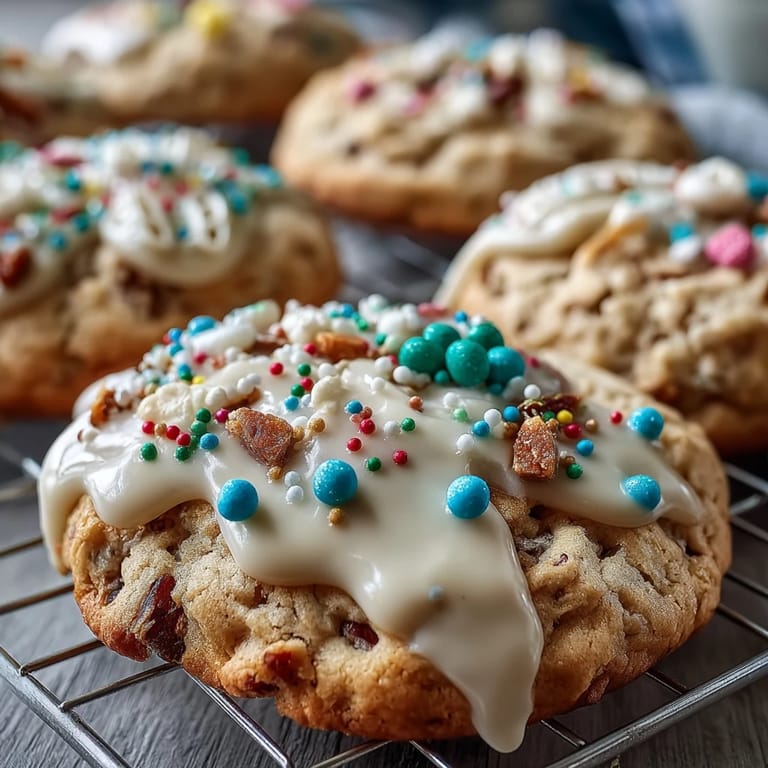
- Transfer icing to piping bags and decorate cooled cookies however you like, then let the icing set completely before storing or serving.
 Save
Save A friend once told me that she kept the cookies her daughter decorated in this recipe in a box for months, unwilling to eat them because they looked too pretty—that's when I realized these weren't just treats, they were small keepsakes that meant something.
Why This Recipe Works for Celebrations
Easter is one of those holidays where the kitchen becomes the real gathering place, and these cookies fit perfectly into that tradition because they're forgiving enough for beginners but impressive enough to make you look like you've been decorating for years. The pale yellow dough bakes to the exact golden tone that looks springtime-perfect, and the pastel icing somehow feels festive without being over the top.
The Secret of Tender Cookies
I learned years ago that butter temperature and not overworking the dough are the two things that separate cookies that shatter when you bite them from cookies that yield softly, and this recipe respects both of those rules. The milk added at the end seems like a small detail, but it's what keeps the dough from being dry and crumbly, especially if your kitchen tends to be on the warm side.
Decorating Tips and Tricks
Decorating royal icing cookies is genuinely meditative—there's something about piping that makes time slow down and your mind quiet, especially if you put on soft music or listen to a podcast while your hands work. You can pipe outlines and flood the centers with thinned icing, or keep it simple with piped details and dots, and honestly, the imperfect decorations always look the most charming.
- Thin your royal icing with a few drops of warm water if you want to flood cookies with color, which creates a smooth, glossy finish.
- Keep a damp paper towel nearby while decorating so you can wipe piping bags clean between color changes.
- If a detail doesn't turn out perfectly, just remember that homemade always has character, and nobody notices mistakes once they bite into a tender cookie.
 Save
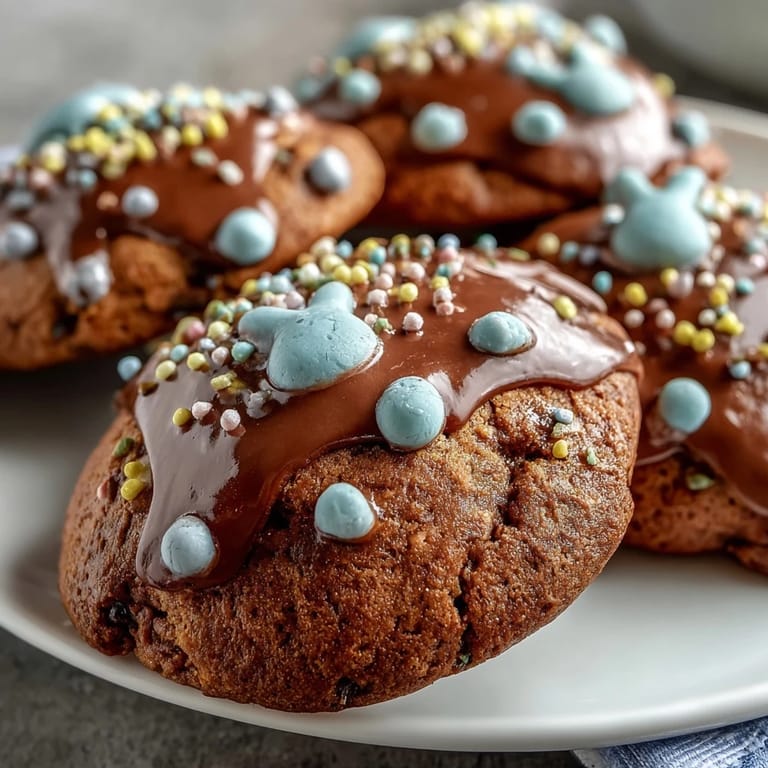
Save These cookies have become my answer to the question of what to bring when you want to show up for someone, and maybe that's all a good recipe really needs to be.
Recipe FAQs
- → How do I achieve tender, buttery cookies?
Use softened unsalted butter and avoid over-mixing the dough. Chilling the dough before baking helps maintain texture and shape.
- → What tricks ensure smooth pastel royal icing?
Sift powdered sugar before mixing and whip the icing until stiff peaks form. Add gel food coloring gradually to achieve soft pastel shades.
- → How long should cookies chill before baking?
Refrigerate the dough discs for at least 1 hour to firm up, which aids in better cutting and reduces spreading during baking.
- → Can I customize flavors in the dough?
Yes, adding lemon or almond extract enhances flavor while maintaining the classic buttery base.
- → How should decorated cookies be stored?
Store in an airtight container at room temperature to keep them fresh for up to one week.