 Save
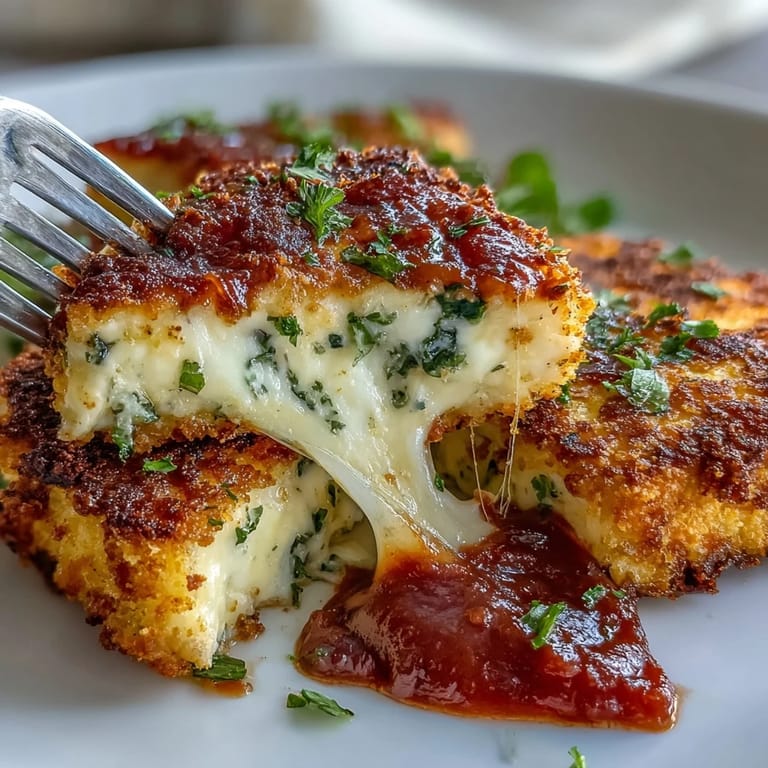
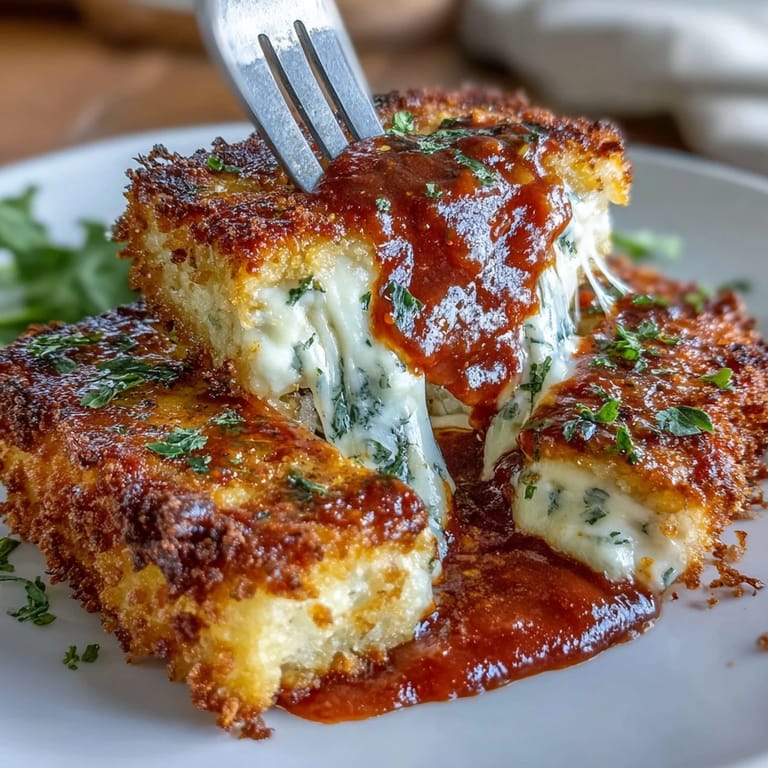
Save My sister called me panicked last Tuesday—she'd committed to hosting dinner for her new vegan girlfriend but had no idea what to cook. I found myself standing in my kitchen at noon, staring at a block of tofu, thinking there had to be a way to make it crispy enough that even my meat-loving parents wouldn't notice the swap. That's when this dish came together: all the golden, bubbly comfort of chicken parmesan, but with tofu that actually has character and crunch.
When I finally plated it that evening with fresh basil scattered on top, my dad actually went quiet for a second. He took another bite without saying anything, and I realized he was tasting it twice to figure out what it was. That moment of doubt before the 'oh, this is really good' is what keeps me making this.
Ingredients
- Extra-firm tofu (2 blocks, 16 oz each): The foundation everything rests on—pressing it matters more than you think because dry tofu fries up golden and absorbs flavor instead of turning mushy.
- All-purpose flour (½ cup): Your first line of defense, helping the egg stick properly and creating the foundation for that crispy shell.
- Eggs, beaten (2 large): The binder that makes the breadcrumb coating actually adhere and cook into something crunchy.
- Panko breadcrumbs (1 cup): Regular breadcrumbs won't give you that satisfying crunch—panko is larger and airier, holding up to frying without getting dense.
- Asiago cheese, grated (½ cup): This is the secret ingredient that separates this from ordinary breading—nutty, slightly sharp, and it browns beautifully in the crust.
- Dried oregano (1 tsp): A gentle reminder of Italian kitchens without overpowering the tofu's subtle earthiness.
- Garlic powder (½ tsp), salt (½ tsp), black pepper (¼ tsp): The quiet team players that make every bite taste intentional.
- Olive oil (2 tbsp for frying): Medium heat oil that lets you control the browning and keeps the crust from burning before the inside cooks.
- Marinara sauce (2 cups): Any quality jar works—this is where you don't need to prove anything, just pick something you'd actually eat on pasta.
- Mozzarella cheese, shredded (1½ cups): The stretchy, melty layer that becomes those golden bubbles in the oven.
- Parmesan cheese, grated (¼ cup, optional): A finishing touch for extra sharpness and color if you want it.
- Fresh basil leaves: Torn or whole, scattered at the end—it should taste bright and smell like summer even in winter.
Tired of Takeout? 🥡
Get 10 meals you can make faster than delivery arrives. Seriously.
One email. No spam. Unsubscribe anytime.
Instructions
- Start with patience and a clean kitchen towel:
- Press your tofu blocks wrapped in a kitchen towel under something heavy—a cast iron pan, a cutting board with cans on top, whatever works. Twenty minutes minimum, because that moisture you're squeezing out is the difference between crispy and sad. Your tofu will feel firmer, denser, ready to behave like it actually belongs in a pan.
- Slice with intention:
- Cut your pressed tofu into ½-inch thick cutlets, about the size of your palm. Thinner pieces get too fragile; thicker ones don't crisp up properly in the time you have.
- Set up your breading station like you mean it:
- Three shallow bowls in a row: flour alone in the first, beaten eggs in the second, and in the third your panko mixed with Asiago, oregano, garlic powder, salt, and pepper. Combine the panko mixture first so the cheese is evenly distributed—this matters more than you'd think.
- Coat each slice with attention:
- Dredge a tofu slice in flour, tap off excess, dip into egg until coated, then press firmly into the panko mixture so it actually sticks. Don't rush this—sloppy breading leads to bare spots that won't crisp up in the pan.
- Get the oil singing before you add tofu:
- Heat your olive oil in a large skillet over medium heat until it shimmers and moves quickly when you tilt the pan. Listen for a subtle sizzle when you add the first piece—that's your signal you're ready. Work in batches if your pan feels crowded; overcrowding steams instead of fries.
- Watch for that golden turn:
- Let each side cook undisturbed for 2–3 minutes, until the crust turns deep golden brown and sounds crispy when you tap it with your spatula. The aroma will tell you when it's done—toasted cheese, warm spices, nutty and rich. Transfer finished pieces to your parchment-lined baking sheet in a single layer.
- Sauce and cheese it generously:
- Spoon marinara over each golden cutlet, then scatter mozzarella on top. If you're using Parmesan, a light sprinkle goes on the cheese layer, not underneath—it needs to toast in the oven.
- Let the oven finish what you started:
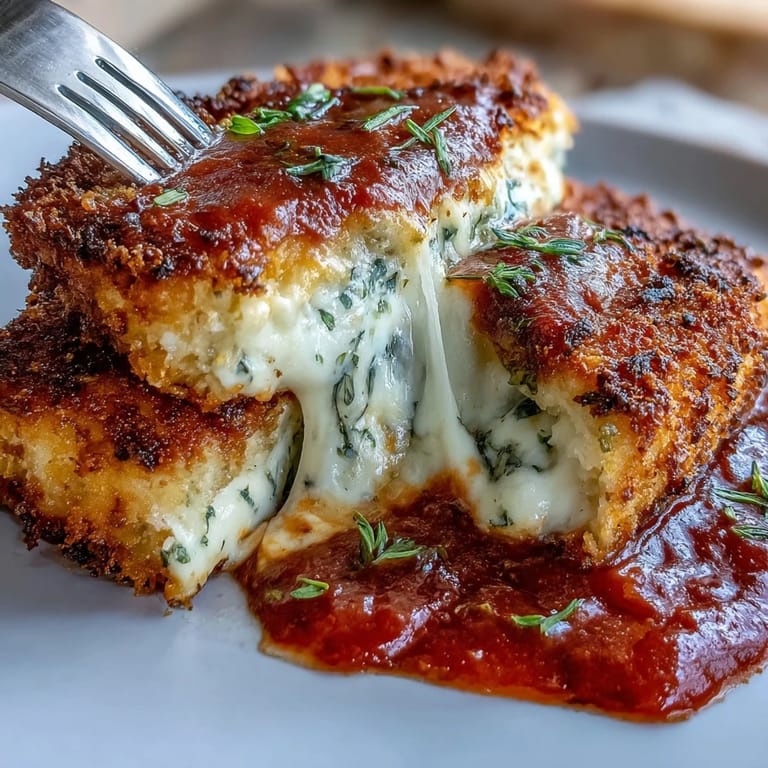
- Bake at 400°F for 15–18 minutes, until the cheese bubbles at the edges and the marinara sauce is beginning to darken slightly. You're not cooking the tofu anymore—you're just melting cheese and marrying all these flavors together.
- Finish with green and heat:
- Pull it out while it's still steaming, tear some fresh basil over top, and serve immediately while everything is at its crispiest and most gooey.
 Save
Save That dinner with my sister turned into something bigger—now she makes this for people who thought they didn't like tofu. There's a quiet power in a dish that changes minds without making a speech about it.
The Magic of Asiago in Your Crust
Asiago is what separates this from a standard breaded tofu situation. Its nuttiness browns in the pan and gets toasted notes in the oven that feel almost savory and complex. If you swap it out for Parmesan, you'll still get something good, but you'll lose a little of that depth. I've also experimented with mixing in a tablespoon of grated Pecorino Romano for extra sharpness—it's a small change that makes the crust taste more intentional.
Timing and Temperature Matter More Than You Think
Medium heat is your friend here, not high heat. When I first made this, I turned up the burner thinking speed would help, and the crust browned in 90 seconds while the interior stayed cold. Now I give myself time to do it right—the oil should shimmer, not smoke. The baking step at 400°F is precise for a reason: high enough to melt cheese and bubble sauce without drying out your crust, but not so hot that the bottom burns.
How to Serve It and Variations
The traditional route is spaghetti underneath, sauce on top, basil everywhere. But I've also served it alongside a sharp arugula salad with lemon dressing, where the acidity cuts through the richness beautifully. A simple roasted zucchini or steamed green beans on the side rounds it out if you want vegetables without the heaviness. For a spicy twist, add red pepper flakes to your marinara or sprinkle them on top before baking.
- Leftover tofu parm makes an incredible sandwich the next day—crisp on the outside, melted cheese inside, all held together with a smear of pesto.
- If you're feeding vegans, swap the eggs for aquafaba or a plant-based egg replacement, and use vegan mozzarella and Asiago—the results are genuinely good, not just 'good for vegan cheese'.
- Double the batch and freeze unbaked portions on a tray, then bake directly from frozen at 425°F for 20–22 minutes if you need weeknight dinner insurance.
 Save
Save This dish taught me that sometimes the best food conversations start with doubt and end with someone asking for the recipe. That's worth showing up for every time.
Recipe FAQs
- → How do you press tofu for this dish?
Wrap the tofu blocks in a clean towel and place a heavy object on top for about 20 minutes to remove excess moisture. This helps the tofu crisp up better.
- → What is Asiago cheese's role in the crust?
Grated Asiago cheese mixed with panko breadcrumbs adds both flavor and a crunchy texture to the tofu crust.
- → Can I substitute the eggs used in breading?
Yes, vegan egg substitutes work well to bind the breading for a plant-based alternative.
- → What temperature is ideal for baking?
Bake the assembled tofu bakes at 400°F (200°C) for 15 to 18 minutes until the cheese is melted and bubbly.
- → What dishes pair well with these baked tofu slices?
Serve alongside spaghetti, a fresh green salad, or steamed vegetables for a complete meal.
- → Is it possible to add spice to this dish?
Yes, adding red pepper flakes to the marinara sauce can provide a pleasant heat that complements the flavors.