 Save
Save I still remember the first time I encountered a proper umami board at a small Japanese izakaya in Tokyo. The chef had arranged these deep, savory ingredients with such care that I was mesmerized before I even tasted anything. Each component seemed to sing on its own, but when combined, they created something transcendent. Years later, I recreated that memory in my own kitchen, and now this board has become my signature way to gather people around the table and share bold, complex flavors without anyone feeling like they're eating a formal dish.
I made this board for my sister's birthday dinner last spring, and watching her face light up as she discovered the interplay between the salty black garlic and the bright pickled ginger was worth every minute of prep. Her friends didn't know what they were looking at until they tasted it, and suddenly everyone was leaning in, asking questions, trying new combinations. That's when I realized this board does more than feed people, it creates conversation.
Ingredients
- Shiitake mushrooms, 200 g sliced: These are your umami foundation, deeply savory and meaty when sautéed until golden. I learned to slice them fairly thick so they hold their texture and don't shrivel into nothing.
- King oyster mushrooms, 150 g sliced: Their firm texture keeps everything from feeling soggy on the board, and they caramelize beautifully in the pan with a slight sweetness that balances the saltiness.
- Enoki mushrooms, 100 g trimmed: These delicate, thread-like mushrooms add an elegant visual touch and a subtle, almost milky sweetness when blanched briefly.
- Sesame oil, 1 tbsp: Use the aromatic toasted variety, not the mild kind, because you want that distinctive nuttiness to come through even with all these bold flavors competing.
- Soy sauce, 1 tbsp (or tamari for gluten-free): This is your salt anchor, the thing that ties the mushrooms together and makes them taste like themselves but elevated.
- Mirin, 1 tsp optional: A touch of this sweet sake adds gloss and rounds out the salty-savory profile beautifully, though you can absolutely skip it if you don't have it.
- Roasted seaweed snacks, 8-10 sheets: The crispy, paper-thin kind that come pre-packaged are ideal here because they stay crunchy and add that oceanic saltiness that screams umami.
- Seasoned seaweed salad, 50 g: This comes in a jar or refrigerated section and is already perfectly balanced with its own dressing, so it's a shortcut I never feel guilty about.
- Nori sheets, cut into strips: Toast them lightly over a flame if they've lost their crisp, then cut into elegant strips that fans out beautifully on the board.
- Pickled daikon radish, 100 g sliced: The sharp, acidic bite of pickled daikon cuts through the richness like a knife through butter and cleanses your palate between bites.
- Pickled ginger, 100 g: A spicy, pungent counterpoint that wakes up your mouth and reminds you that umami needs brightness to shine.
- Edamame, 60 g shelled and steamed: These provide a creamy pop of texture and a subtle sweetness that rounds out the more intense flavors around them.
- Black garlic cloves, 40 g peeled: Fermented until they're dark, sticky, and intensely sweet-savory, black garlic is like umami's most sophisticated cousin and worth seeking out.
- Fermented black beans, 40 g rinsed and drained: These pungent, salty little treasures add complexity and a funky depth that makes people ask what that mysterious, incredible flavor is.
- Roasted cashews or peanuts, 80 g: Choose the unsalted variety so you control the salt level, and the natural oils and richness ground everything else on the board.
- Fried shallots, 40 g: These crispy, caramelized bits add textural contrast and a sweet-savory note that somehow elevates everything around them.
- Fresh coriander leaves, 1 small bunch picked: A whisper of herbaceous freshness that prevents the board from feeling too heavy and adds a bright visual contrast.
- Chives, 1 small bunch finely chopped: Their mild onion flavor and delicate appearance soften the more intense umami-laden elements.
- Red chili, thinly sliced, optional: If you want heat, this is where it lives on the board, adding visual drama and a wake-up-call kick.
- Ponzu sauce, 60 ml: This citrus-soy combination is your sophisticated dipping sauce, bright and complex with a hint of sophistication.
- Spicy sesame dressing, 60 ml: Creamy, nutty, and with a little heat, this is the indulgent option for when you want richness.
Tired of Takeout? 🥡
Get 10 meals you can make faster than delivery arrives. Seriously.
One email. No spam. Unsubscribe anytime.
Instructions
- Get Your Pan Ready:
- Heat your skillet over medium-high heat and add that sesame oil. You'll know it's ready when the oil shimmers and you catch that toasted, nutty aroma rising up. This smell is the first hint that something delicious is happening.
- Sauté the Hearty Mushrooms:
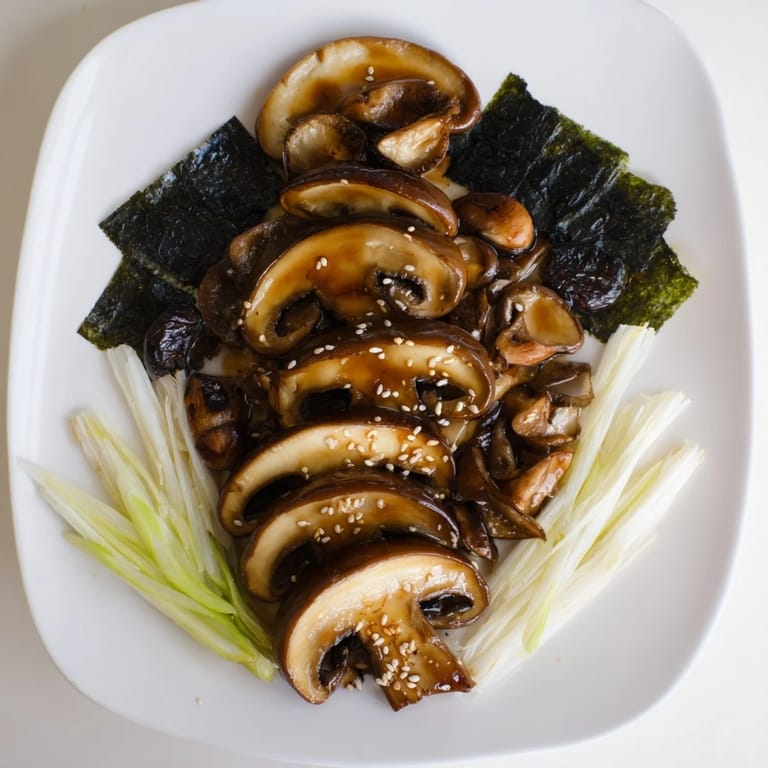
- Slice your shiitake and king oyster mushrooms into even pieces about a quarter-inch thick. Add them to the hot oil and let them sit undisturbed for a minute so they develop a golden crust. You'll hear them sizzle and soften. After about 4 to 5 minutes total, they should have taken on a rich, caramelized color. Pour in the soy sauce and that tiny bit of mirin, toss everything together, and let it cook for just one more minute so the flavors meld.
- Cool the Cooked Mushrooms:
- Spread them on a plate and let them cool to room temperature. This step matters because you want them warm enough to arrange easily but cool enough that they won't wilt everything else on the board.
- Blanch the Delicate Enoki:
- Bring a small pot of water to a boil and gently drop in your enoki mushrooms. They only need about 30 seconds of a gentle boil, just enough to slightly soften them. Drain them immediately in a fine mesh strainer and let them cool.
- Begin Your Beautiful Arrangement:
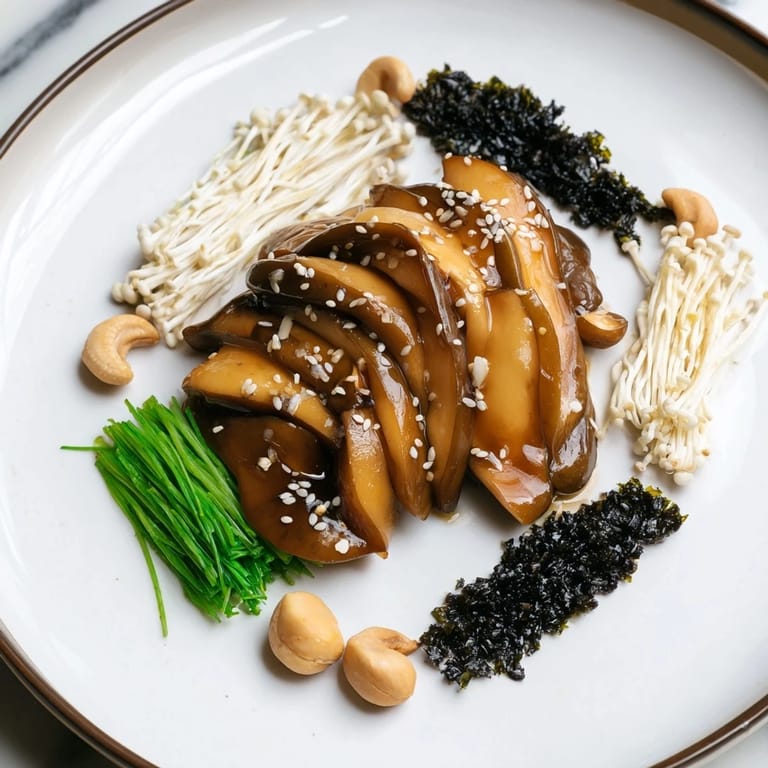
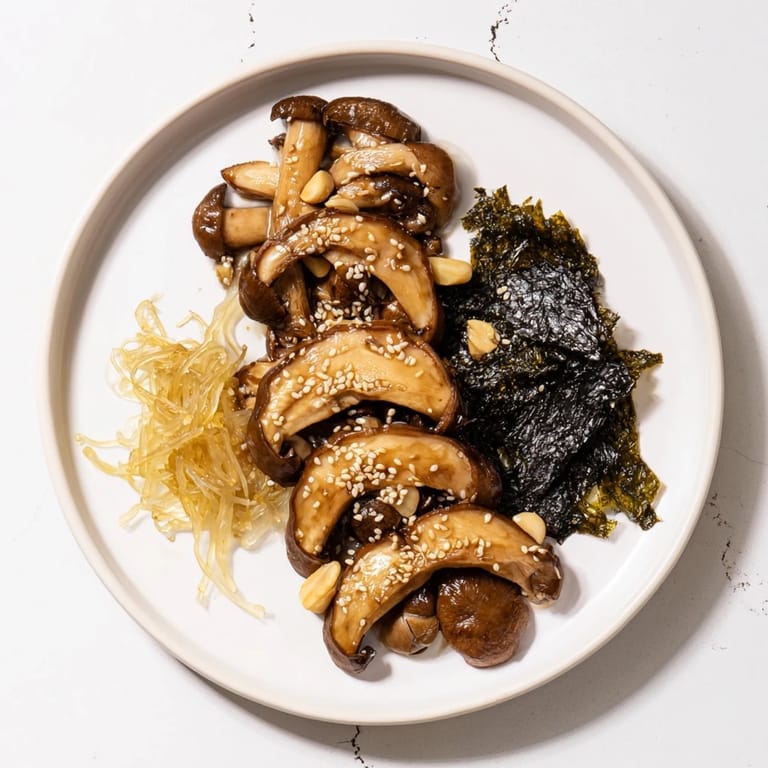
- Find your largest, most dramatic serving board or platter. Start with your cooled sautéed mushrooms and arrange them in overlapping fan shapes, laying each slice slightly on top of the last one like you're creating a peacock's tail. The visual presentation is part of the magic here.
- Add the Ocean Element:
- Create additional fans using your roasted seaweed snacks and nori strips. Arrange the seaweed salad in its own small cluster nearby. These fans echo the mushroom arrangement and create visual rhythm across the board.
- Fill the Spaces with Treasure:
- In the gaps and around the fans, pile your pickled daikon, pickled ginger, steamed edamame, black garlic cloves, and fermented black beans. Don't arrange these perfectly, let them look casual and abundant, like you discovered them in a market and couldn't choose just one.
- Add Texture and Color:
- Scatter your roasted nuts across the board, then sprinkle the fried shallots over everything for a shimmering, crispy accent. Sprinkle coriander leaves and chopped chives throughout, and add those red chili slices if you're feeling bold. This is your moment to make it visually stunning.
- Set Up Your Dipping Station:
- Pour the ponzu and spicy sesame dressing into small bowls and nestle them into the board somewhere that feels balanced. These are your flavor guides, though adventurous eaters will mix and match as they please.
- Serve with Ceremony:
- Bring the board to the table and encourage your guests to explore, combine, and experiment. The magic of this dish is that everyone creates their own perfect bite, their own balance of flavors.
 Save
Save I served this board at a small dinner party for friends from different cuisines and food backgrounds, and watching them discover black garlic for the first time, watching them understand that fermented black beans could be elegant, watching them find their own favorite flavor combination, reminded me that food is really about connection. This board became the night's conversation piece, and people are still texting me asking how to make it.
The Art of the Umami Board
An umami board isn't really a recipe in the traditional sense. It's more like a flavor conversation where you're inviting people to participate. Every element on this board is deeply savory, but in different ways. The mushrooms are earthy and meaty, the seaweed is oceanic and mineral, the fermented beans are complex and funky, and the black garlic is sweet and intense. When you combine them all together, something magical happens. You're not eating individual ingredients anymore, you're experiencing depth and complexity. The pickled elements cut through this richness with acidity, the fresh herbs bring brightness, and the crispy elements provide textural contrast. This is how professional chefs think about composition, and now you're doing it.
Preparing Your Components Ahead of Time
The best part about this board is that you can prepare almost everything the day before. Cook your mushrooms in the morning and refrigerate them. Prep your herbs, slice your chiles, arrange everything in containers in your refrigerator. About an hour before guests arrive, pull everything out and let it come to room temperature. Then you have just 15 minutes of assembly time, which means you're actually relaxed and present when people arrive instead of stressed and sweaty. I keep all the dry components in small glass bowls in my pantry so I can literally throw this together on a Tuesday night if the mood strikes.
Customizing Your Board for Different Diets and Preferences
The beauty of this board is its flexibility. For vegans, just verify that your soy sauce and seaweed snacks are plant-based (they usually are), and your sauces are too. For anyone avoiding raw vegetables, you can pickle your daikon yourself or use store-bought. If someone has a nut allergy, skip the cashews and peanuts and add crispy chickpeas or toasted pumpkin seeds instead. For gluten-free friends, use tamari instead of soy sauce. If you want to make it more substantial as a meal rather than just an appetizer, add grilled tofu cubes or marinated tempeh slices. The board adapts to you, not the other way around.
- Test any store-bought components for allergens before serving, because some seaweed snacks contain unexpected ingredients
- If you're making this more than an hour ahead, keep the crispy elements separate and add them just before serving
- The dipping sauces should be at room temperature for the best flavor, not cold from the refrigerator
 Save
Save This board taught me that cooking doesn't always mean following strict instructions. Sometimes it means understanding flavor, building a moment, and trusting people to find their own joy in what you've created. That's the real recipe.
Recipe FAQs
- → What mushrooms work best for deep umami flavor?
Shiitake and king oyster mushrooms provide rich, earthy umami notes when sautéed, while enoki adds delicate texture and mild taste.
- → How do the pickled elements enhance the board?
Pickled daikon and ginger introduce tang and subtle sweetness, balancing the savory mushrooms and salty fermented beans.
- → Can this be adapted for a vegan diet?
Yes. Use tamari instead of soy sauce if gluten-free, and ensure all pickles and sauces are plant-based; adding grilled tofu boosts protein.
- → What are good accompaniments for this umami board?
Green tea or chilled sake complement the complex flavors, while the combination of nuts and fresh herbs enhances texture and freshness.
- → How should the mushrooms be prepared for best flavor?
Sauté shiitake and king oyster mushrooms in sesame oil until golden, then toss with soy sauce and mirin to intensify their savory profile.