 Save
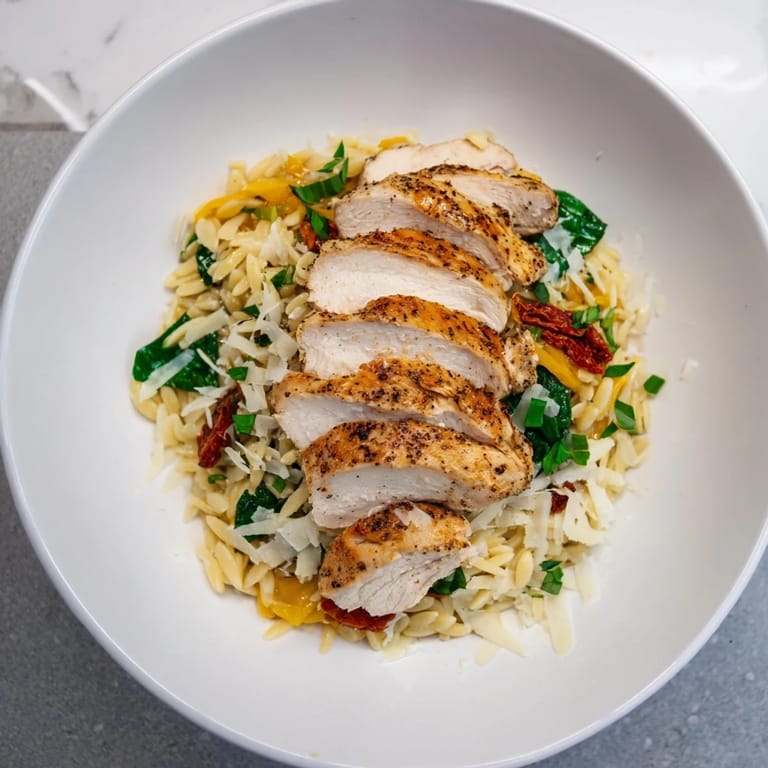
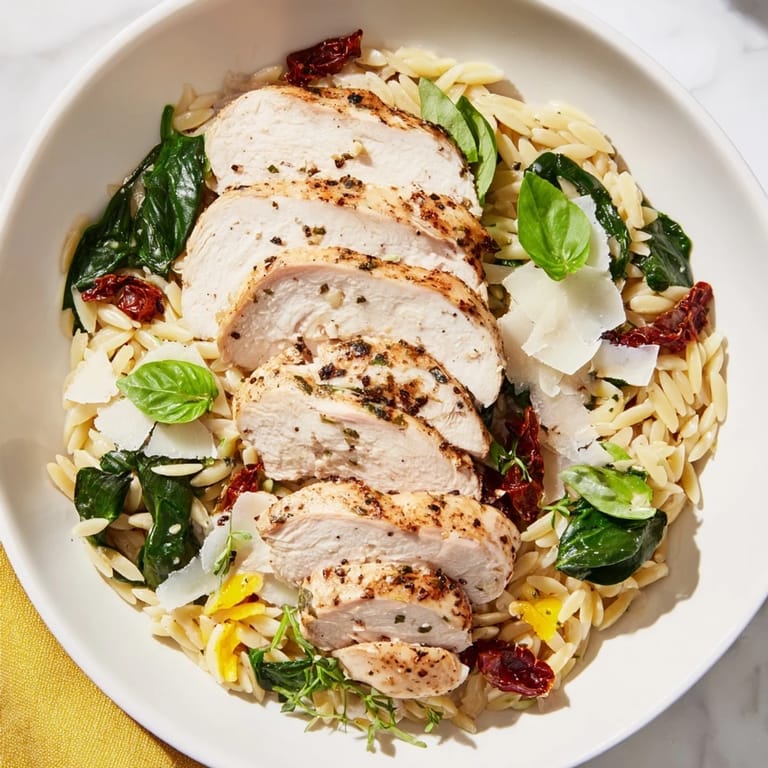
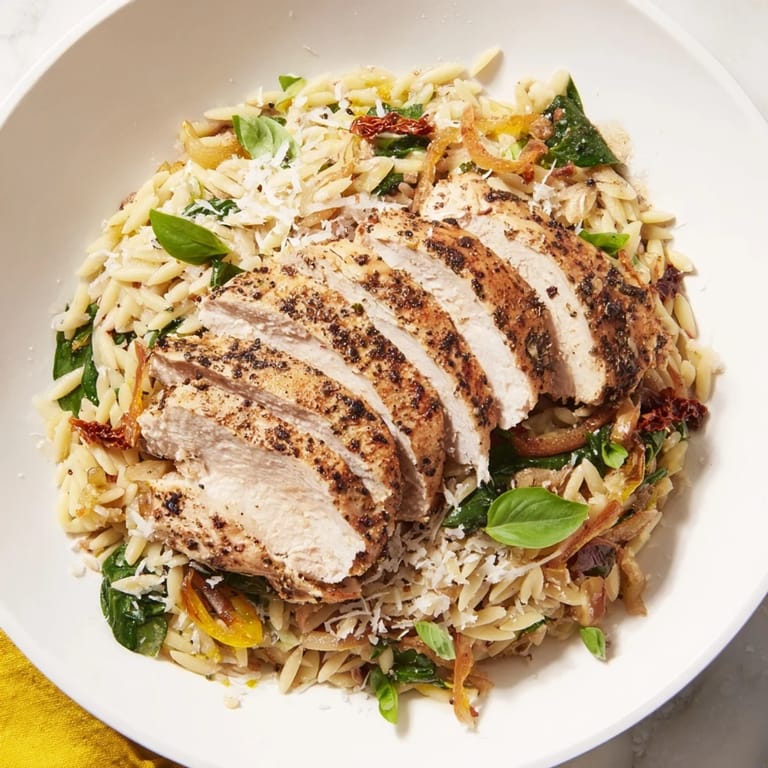
Save There's something about a dish with a name like this that makes you want to cook it for someone special, though honestly, I made it on a random Tuesday just because I had chicken and cream on hand. The first time I tasted that silky sauce coating tender pasta and sun-kissed chicken, I understood why it has such a romantic name—not because it's fussy, but because it feels like you've done something impressive without breaking a sweat. The golden chicken, the way the orzo soaks up that parmesan-laced sauce, the bright pop of sun-dried tomato—it all comes together in one pan like it was meant to be.
I made this for my partner after a long week, and watching their face when they took the first bite—that quiet moment of pure contentment—reminded me why I love cooking. We sat at the table way longer than usual, just lingering over plates that somehow never seemed empty. It's become the dish I make when I want to say something without saying it out loud.
Ingredients
- Boneless, skinless chicken breasts: Four of them, and don't skip patting them dry before seasoning—it's the difference between a golden crust and steamed chicken.
- Salt, black pepper, Italian seasoning: These three are your foundation; don't be shy with them on the chicken.
- Olive oil: Two tablespoons for searing, and use something you actually like the taste of.
- Yellow onion: One small one, finely chopped, builds sweetness as it softens.
- Garlic: Three cloves minced, the moment you add it, your kitchen smells like a proper kitchen.
- Sun-dried tomatoes: One cup oil-packed and drained, then sliced—they're concentrated flavor bombs that make this dish feel intentional.
- Orzo pasta: One and a half cups of this rice-shaped pasta, which catches sauce in every little pocket.
- Low-sodium chicken broth: Two cups, the base that lets everything simmer together.
- Heavy cream: One cup, what makes this sauce luxurious and worth every calorie.
- Parmesan cheese: Half a cup freshly grated (not pre-shredded), it melts into the sauce like silk.
- Crushed red pepper flakes: Optional, but a teaspoon adds warmth without overwhelming.
- Fresh thyme: One tablespoon fresh or one teaspoon dried, herbaceous and subtle.
- Baby spinach: Two cups, wilts into the sauce in seconds and adds a healthy note.
- Fresh basil and extra parmesan: For finishing, because every good dish needs a final flourish.
Tired of Takeout? 🥡
Get 10 meals you can make faster than delivery arrives. Seriously.
One email. No spam. Unsubscribe anytime.
Instructions
- Prep and season your chicken:
- Pat your chicken breasts dry with paper towels—this step matters more than you'd think. Season both sides generously with salt, pepper, and Italian seasoning, letting the flavors sink in while you gather the rest of your ingredients.
- Get a beautiful sear:
- Heat olive oil in a large skillet or Dutch oven over medium-high heat until it's shimmering and almost smoking. Lay the chicken in carefully and let it sit for 4-5 minutes without moving it, until you see that golden-brown crust forming. Flip and repeat, then set the chicken aside.
- Build your flavor base:
- In the same pan with all those lovely brown bits still clinging to the bottom, add your chopped onion and let it soften for a few minutes. Add the garlic and sun-dried tomatoes next, cooking just long enough to wake up the aromatics—about a minute.
- Toast the pasta:
- Stir in the orzo and let it sit in the warm pan for about a minute, getting lightly toasted and nutty-smelling. This small step transforms the pasta from neutral to flavorful.
- Create the sauce:
- Pour in the chicken broth and heavy cream, scraping up those precious brown bits from the bottom of the pan. Give it a good stir so everything combines.
- Simmer until it comes together:
- Nestle your chicken breasts back into the pan, cover it, and let everything simmer on medium heat for 12-15 minutes. Stir occasionally, and you'll watch as the pasta absorbs the liquid and becomes creamy while the chicken finishes cooking through.
- Finish with finesse:
- Remove the chicken to a plate, then stir in the parmesan cheese, red pepper flakes if using, thyme, and spinach. The spinach will wilt almost immediately into the sauce, creating something silky and complete. Slice your chicken and either return it to the pan or plate it over the orzo.
- Garnish and serve:
- Top everything with fresh chopped basil and a shower of extra parmesan. Taste it first and adjust seasoning to your liking.
 Save
Save I've learned that some recipes are just better when they're shared, and this one especially. There's something about passing a plate across the table and seeing someone's expression shift from anticipation to pure satisfaction that makes cooking feel like a language all its own.
Why One-Pan Cooking Changed My Life
Before I embraced one-pan dinners, I'd spend half the evening washing dishes instead of enjoying what I'd made. This recipe taught me that everything a dish needs can happen in one place—the fond from searing the chicken becomes the base of the sauce, the orzo soaks up all those flavors directly. It's efficient without feeling rushed, and somehow that makes the food taste better. There's a pleasure in simplicity that fancy, multi-step cooking often misses.
Playing with Sun-Dried Tomatoes
Sun-dried tomatoes are one of those ingredients that seems intimidating until you realize they're just concentrated tomato flavor in a convenient package. I used to buy them tentatively, unsure what to do with them, but now I keep a jar in my pantry like it's treasure. They bring a subtle sweetness and depth to this sauce that fresh tomatoes couldn't quite achieve—they're almost jammy in the best way. The key is draining them well so you're not adding excess oil to your sauce, and slicing them thinly so they distribute evenly throughout every bite.
The Science of Creamy Sauces
I used to make creamy pasta sauces that would either break or feel somehow thin and unsatisfying, until I realized the orzo itself is part of the magic. As it cooks, the starch releases into the cream, thickening the sauce naturally and making it coat every strand of pasta. You're not fighting against separation or curdling—you're letting the pasta do half the work. Add the parmesan at the end after you've removed the chicken, and stir it in gently so it melts smoothly into the sauce without getting grainy. Here's what I've learned works best:
- Keep the heat at medium once you add the cream; boiling breaks emulsions and makes sauce grainy.
- Use freshly grated parmesan, never the pre-shredded kind which has anti-caking agents that prevent smooth melting.
- If your sauce seems too thin, let it simmer uncovered for a minute or two to reduce and concentrate.
 Save
Save This dish has become my answer to the question of what to make when I want to feel like I'm taking care of people. It's proof that simple ingredients, patient cooking, and one good pan can create something that tastes like you spent hours in the kitchen.
Recipe FAQs
- → What type of chicken is best for this dish?
Boneless, skinless chicken breasts are ideal, as they cook evenly and absorb the flavors of the sauce well.
- → Can I substitute the sun-dried tomatoes?
Yes, roasted red peppers work as a flavorful alternative, offering a slightly different sweetness and texture.
- → How do I ensure the orzo is cooked perfectly?
Simmer the orzo covered with the sauce and broth mixture until it's al dente, stirring occasionally to prevent sticking.
- → Is there a way to lighten the creamy sauce?
Using half-and-half instead of heavy cream reduces richness while maintaining creaminess in the sauce.
- → What herbs complement this dish best?
Fresh thyme and basil enhance the flavor profile, adding aromatic and fresh notes that balance richness.
- → Can this dish be prepared ahead of time?
Yes, it can be made in advance and gently reheated, though fresh garnishes are best added just before serving.