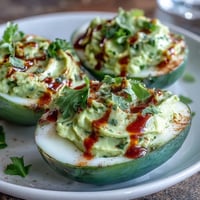
 Save
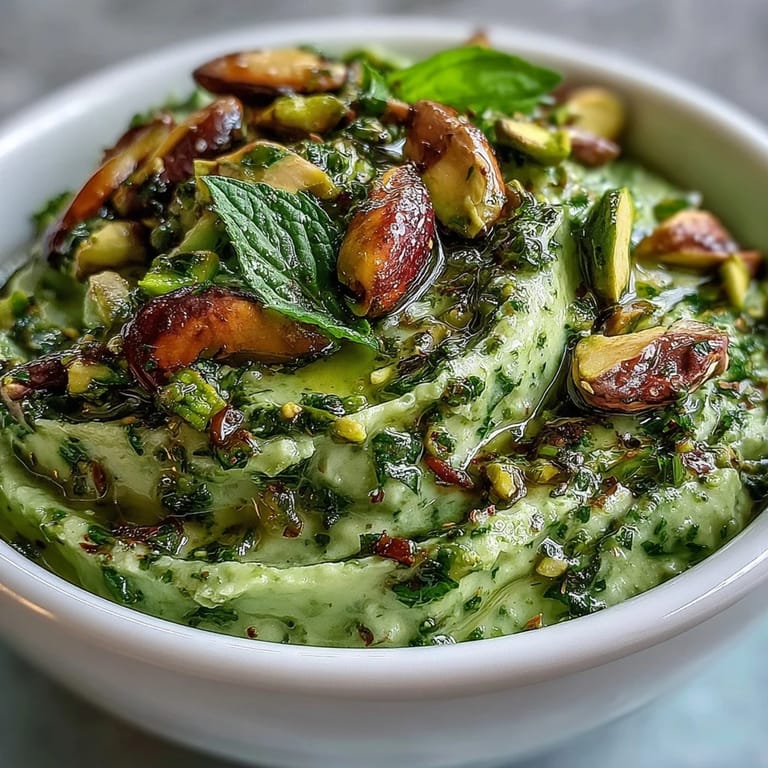
Save I discovered pistachio pesto entirely by accident while standing in my kitchen on a Tuesday afternoon, staring at a half-empty bag of pistachios and wondering what to do with them. My usual basil-and-pine-nut routine felt tired, and something about those pale green nuts made me curious. Twenty minutes later, I had something so vibrant and nutty that my partner practically fought me for the last spoonful on their crostini. It's become the sauce I make when I want to impress without the stress.
Last summer, I brought a jar of this to a potluck where everyone was bringing their usual suspects: store-bought dips, sad salads. Watching people's faces light up when they tasted it on a piece of grilled bread was its own kind of magic, the kind that makes you remember why you bother cooking in the first place.
Ingredients
- Shelled unsalted pistachios (1 cup, 130 g): These are the star, bringing a creamy texture and gentle nuttiness that's different from the typical pine nut route; raw ones work best, though roasted will deepen the flavor if that's what you have on hand.
- Fresh basil leaves (2 cups, packed, 50 g): Pack them tightly when measuring, and use them within a day or two of buying for the brightest, most vibrant color and taste.
- Garlic cloves (2, peeled): Two cloves gives you garlic presence without bullying the delicate pistachio flavor, but honestly, taste as you go and add a third if you're feeling bold.
- Grated Parmesan cheese (1/3 cup, 30 g): Good quality makes a real difference here; it's not hidden under cream or heat, so every grain matters.
- Extra-virgin olive oil (1/2 cup, 120 ml): This is where you splurge if you're going to splurge, as it becomes the binding medium and carries flavor in every spoonful.
- Kosher salt (1/2 teaspoon): Adjust this to your taste preferences; kosher salt has a gentler touch than table salt.
- Freshly ground black pepper (1/4 teaspoon): Grinding it fresh makes a subtle but noticeable difference compared to pre-ground.
- Fresh lemon juice (1 tablespoon, optional): A squeeze of brightness that makes everything else pop, though you might not need it depending on your basil's personality.
Tired of Takeout? 🥡
Get 10 meals you can make faster than delivery arrives. Seriously.
One email. No spam. Unsubscribe anytime.
Instructions
- Pulse the foundations together:
- Drop the pistachios, basil, and garlic into your food processor and pulse until everything is broken down into small, sand-like pieces; you want texture here, not a completely smooth paste yet.
- Add the seasonings and cheese:
- Scatter the Parmesan, salt, and pepper over the top and pulse again until it's evenly distributed and the mixture looks like coarse breadcrumbs.
- Stream in the olive oil slowly:
- Turn the processor to a steady hum and drizzle the oil in gradually while it's running, watching as the mixture transforms into something glossy and spreadable; this takes about a minute and shouldn't be rushed.
- Taste and adjust with lemon:
- Stop the processor, give everything a taste with a clean spoon, then add the lemon juice if you want that extra brightness, pulsing just until combined.
- Use it or store it:
- Transfer to a jar or container and use immediately while it's at its liveliest, or cover it tightly and refrigerate for up to five days.
 Save
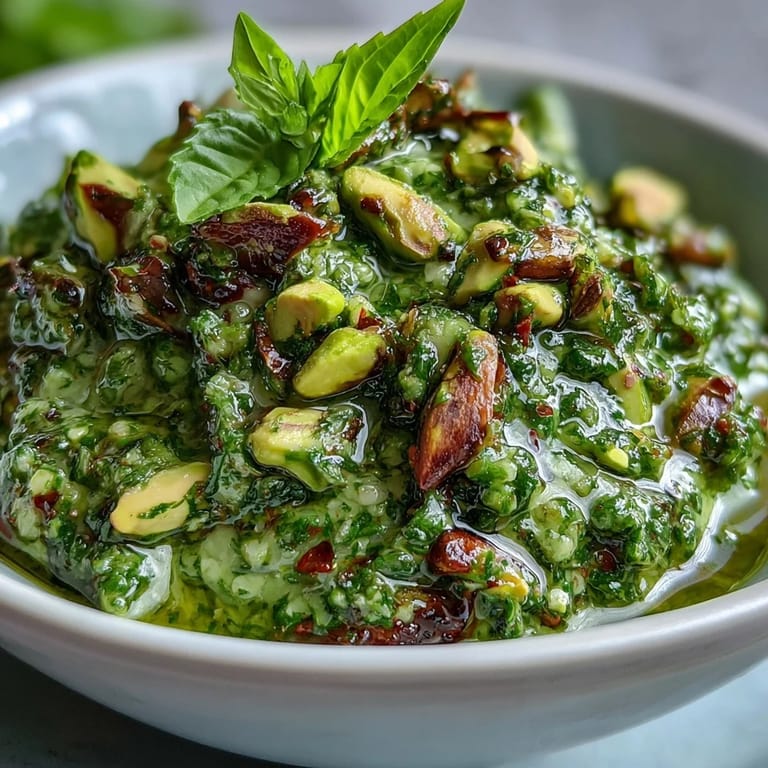
Save My eight-year-old nephew once asked why this pesto was so green, and I realized then that the most important thing about this recipe isn't the technique or the ratios—it's how it brings people together. Even the littlest cooks can help, and that's when food becomes memory.
How to Use This Pesto
With pasta, toss a generous spoonful into hot noodles with a splash of pasta water to loosen it into a silky sauce. On vegetables, spread it over grilled zucchini, eggplant, or bell peppers right after they come off the heat so it softens slightly. On sandwiches, it replaces mayo and brings an instant sophistication to otherwise ordinary lunch fare.
Storing and Making Ahead
Press a thin layer of olive oil on top of the pesto before sealing the container—this keeps the basil from darkening and creates a barrier against the air. It keeps well for five days, though I usually find myself using it faster than that. If you want to freeze portions, spoon it into ice cube trays and pop out individual cubes whenever you need a quick flavor boost.
Variations Worth Trying
This is a recipe that welcomes small changes without losing its soul. Swap in toasted walnuts or almonds if pistachios aren't your thing, or try mixing in fresh mint alongside the basil for a different kind of brightness. For a vegan version, nutritional yeast does the savory work of the Parmesan, and honestly, it slips into this recipe so seamlessly that no one will know the difference.
- Add roasted red peppers for sweetness and a softer texture.
- Use half basil and half fresh mint if you want something more herbaceous and cooling.
- A tablespoon of honey or a pinch of red pepper flakes can shift the whole mood if you're feeling adventurous.
 Save
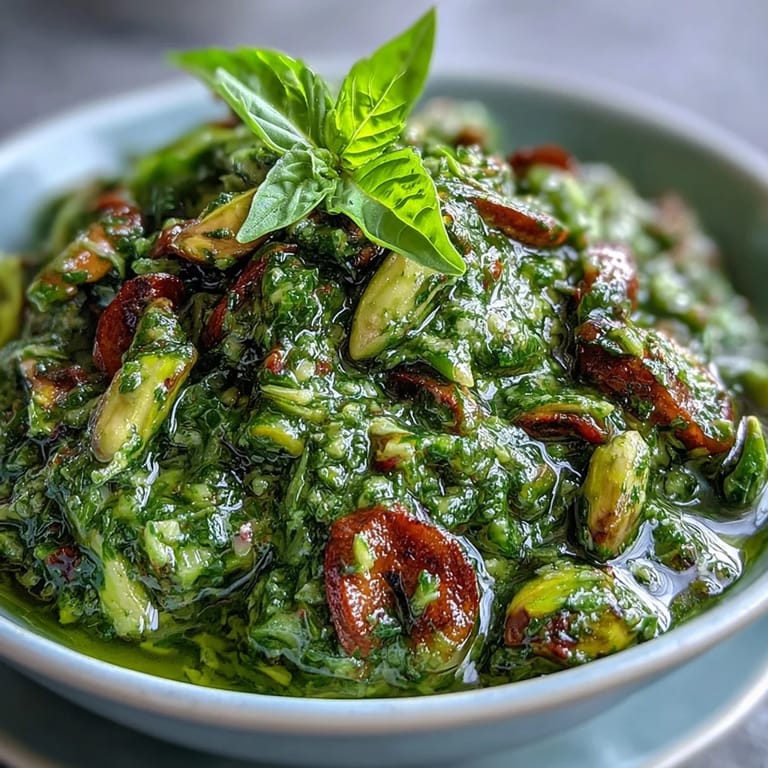
Save This pesto is proof that sometimes the best kitchen discoveries come from having nothing planned and a curious mind. Make it often, share it generously, and don't be afraid to make it your own.
Recipe FAQs
- → What nuts are used in this pesto?
Unsalted shelled pistachios provide a nutty, rich flavor and creamy texture to the sauce.
- → How can I make this sauce vegan?
Replace the Parmesan cheese with nutritional yeast and consider using pumpkin seeds to avoid nut allergens.
- → Can this sauce be thinned for pasta?
Yes, adding a tablespoon of pasta cooking water helps achieve a thinner consistency perfect for coating pasta.
- → How should I store leftover sauce?
Keep it in an airtight container in the refrigerator for up to five days to maintain freshness.
- → What dishes pair well with this sauce?
It’s ideal for tossing with pasta, spreading on toasted bread, or drizzling over grilled or roasted vegetables.