 Save
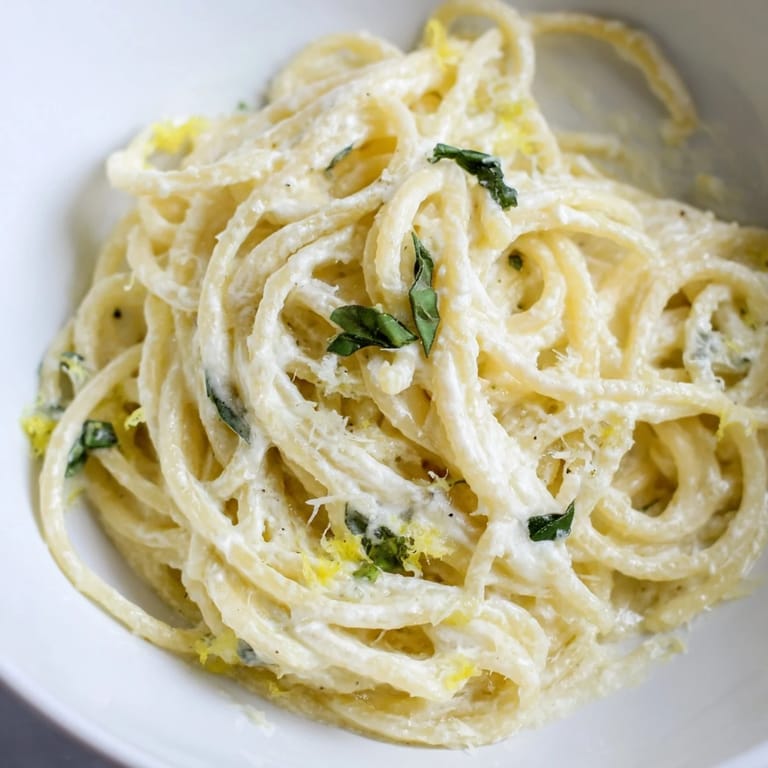
Save A neighbor once handed me a basket of lemons from her tree, way too many to use before they dried out. I tossed hot pasta with ricotta I had left over from lasagna night, grated one of those lemons over the top, and it became the kind of dinner I craved on repeat. The brightness cut through the cream in a way that felt surprising and clean. I've made it dozens of times since, tweaking the garlic and pepper until it felt just right. It's become my fallback when I want something that tastes like effort but takes almost none.
I made this for a friend going through a breakup, the kind where you just need to sit on the couch and eat something that feels like a hug. She took one bite and said it tasted like spring, which made me laugh because it was November. But I knew what she meant: the lemon gave it this lightness that didn't weigh you down. We finished the whole pot between us, scraping the bowl with bread. She still texts me for the recipe every few months.
Ingredients
- Spaghetti: I use regular spaghetti because it holds the creamy sauce in every twirl, but linguine or bucatini work just as well if that's what you have.
- Ricotta cheese: Whole-milk ricotta makes all the difference here, it melts into the pasta water and creates a velvety coat that skim versions just can't match.
- Lemon: Use a fresh lemon and zest it before you juice it, the zest has all the fragrant oils that make the dish sing.
- Parmesan cheese: Freshly grated Parmesan adds a salty sharpness that balances the ricotta, pre-grated stuff doesn't melt the same way.
- Olive oil: A fruity extra-virgin olive oil brings richness and helps the sauce cling to the noodles.
- Garlic: One small clove grated on a microplane disappears into the sauce and adds a gentle warmth without overpowering the lemon.
- Black pepper and sea salt: Freshly cracked pepper gives little bursts of heat, and sea salt brightens everything without making it taste salty.
- Fresh basil or parsley: Either herb adds a pop of green and a fresh note that makes the dish feel complete.
Tired of Takeout? 🥡
Get 10 meals you can make faster than delivery arrives. Seriously.
One email. No spam. Unsubscribe anytime.
Instructions
- Boil the pasta:
- Bring a large pot of water to a rolling boil, salt it generously so it tastes like the sea, then cook the spaghetti until it still has a little bite. Before you drain it, scoop out half a cup of that starchy pasta water, it's the secret to a silky sauce.
- Make the ricotta-lemon sauce:
- While the pasta bubbles away, whisk together the ricotta, lemon zest, lemon juice, Parmesan, olive oil, grated garlic, pepper, and salt in a big bowl until it's smooth and creamy. It should smell bright and taste a little tangy.
- Toss the pasta with the sauce:
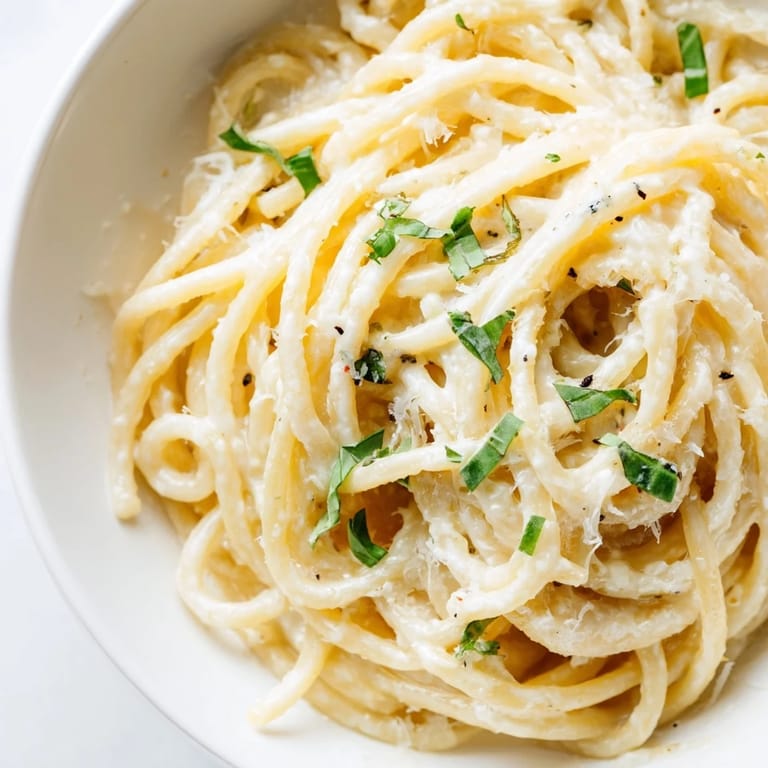
- Dump the hot drained spaghetti right into the bowl with the ricotta mixture and toss it with tongs, adding splashes of the reserved pasta water until the sauce loosens and coats every strand. The heat from the pasta will melt everything together into something glossy and rich.
- Garnish and serve:
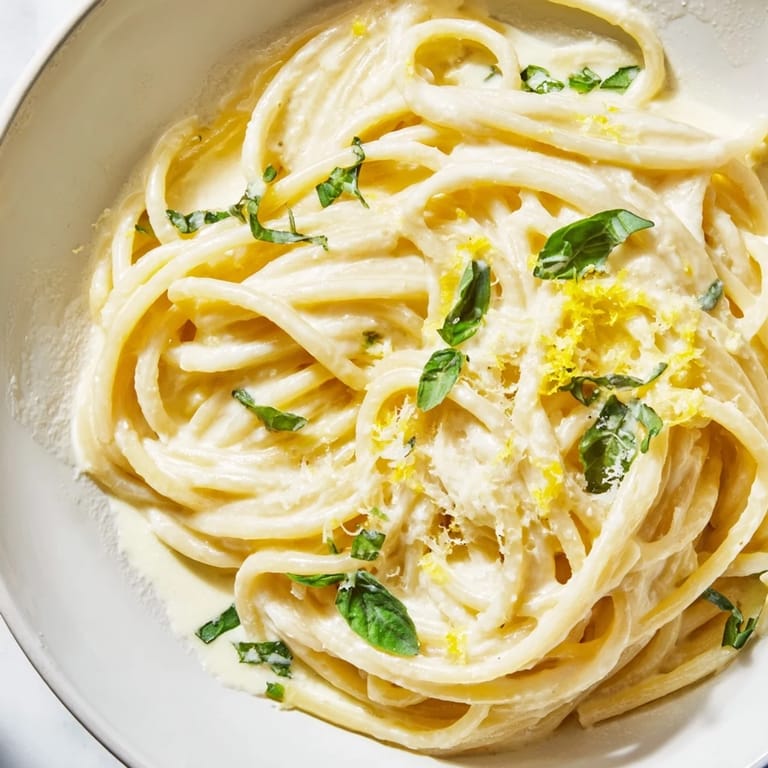
- Divide the pasta among bowls and top each with extra Parmesan, a handful of fresh basil or parsley, more lemon zest, and a few grinds of black pepper. Serve it immediately while it's hot and creamy.
 Save
Save The first time I brought this to a potluck, someone asked if I'd taken a cooking class in Italy. I hadn't, but I liked that it gave off that impression. It's the kind of dish that feels special enough for guests but easy enough that I don't stress about timing. I've served it on paper plates and on my good dishes, and it always disappears.
What to Add for Extra Flavor
I've tossed in handfuls of baby spinach right before serving and let the heat wilt it into the pasta. Peas, either frozen or fresh, add little sweet pops of green. Asparagus cut into bite-sized pieces and sautéed in olive oil works beautifully in spring. If you want richness, stir in a spoonful of mascarpone or a splash of heavy cream with the ricotta.
How to Store and Reheat
Leftovers keep in the fridge for up to three days in an airtight container. The sauce thickens as it cools, so when you reheat it, add a splash of water or olive oil and warm it gently in a pan over low heat, stirring until it loosens back up. I don't recommend freezing this one because ricotta can get grainy when thawed.
Serving Suggestions
This pasta is light enough that it pairs well with a simple arugula salad dressed with olive oil and lemon. Garlic bread or a crusty baguette is perfect for mopping up any sauce left in the bowl. A crisp white wine like Sauvignon Blanc or Pinot Grigio cuts through the richness and makes it feel like a real meal.
- Serve it family-style in a big bowl so everyone can help themselves.
- Top with red pepper flakes if you like a little heat.
- Finish with a drizzle of your best olive oil for extra richness.
 Save
Save This is the kind of recipe I come back to when I need something that feels like a reset, bright and simple and exactly what I want. I hope it becomes that for you too.
Recipe FAQs
- → What type of ricotta works best for this dish?
Whole-milk ricotta is preferred as it creates a richer, creamier sauce. Avoid low-fat versions which may result in a thinner consistency. For extra richness, you can mix in a splash of heavy cream or mascarpone.
- → How do I prevent the ricotta sauce from breaking?
Keep everything warm but not scorching hot. Add pasta water gradually to the ricotta mixture before combining with hot pasta. This gradual incorporation helps emulsify the sauce and prevents curdling. Toss gently but thoroughly.
- → Can I make this dish ahead of time?
While best served immediately, you can prepare the ricotta-lemon mixture up to 4 hours ahead and refrigerate. Cook the pasta fresh when ready to serve, then combine and toss with the chilled sauce, adding extra pasta water as needed.
- → What vegetables pair well with this pasta?
Sautéed spinach, fresh peas, roasted asparagus, or grilled zucchini complement the lemon-ricotta sauce beautifully. Add vegetables either to the sauce or fold them in after tossing, maintaining the dish's light character.
- → How important is using fresh lemon juice?
Fresh lemon juice is essential for the bright, zesty flavor this dish is known for. Bottled juice lacks the same vibrancy and complexity. Freshly grated zest also adds crucial aromatic citrus notes that cannot be replicated.
- → Is this suitable for gluten-free diets?
Yes, simply substitute regular spaghetti with gluten-free pasta using the same cooking instructions. The creamy ricotta sauce works equally well with gluten-free noodles, maintaining the same delicious result.