 Save
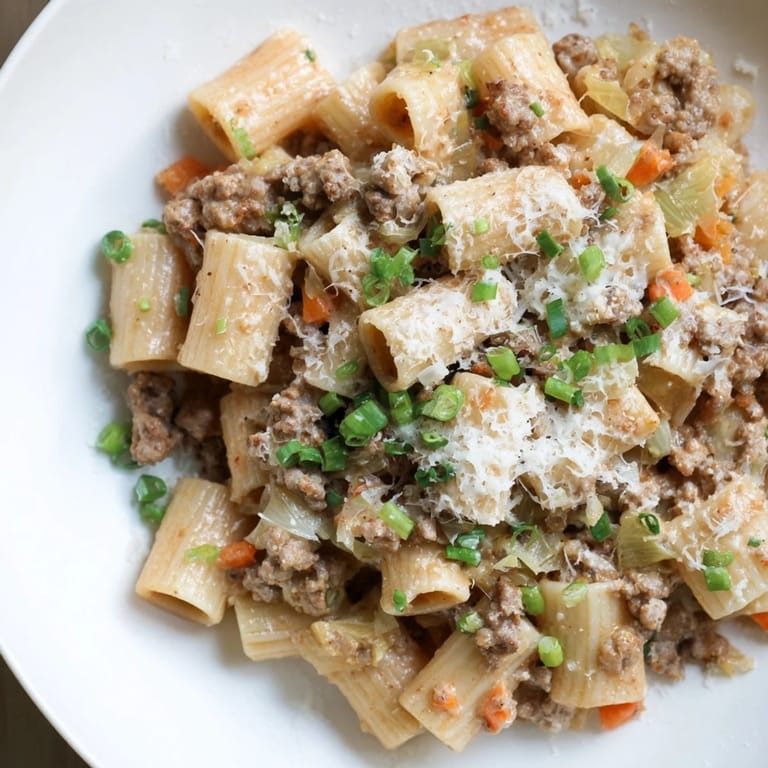
Save I was staring at a jar of kimchi in my fridge one Tuesday night, wondering what on earth to do with it besides eating it straight from the container at midnight. My Italian grandmother's voice echoed something about ragu being endlessly adaptable, and suddenly I thought: what if I stopped treating cuisines like separate planets and just let them collide? That first bowl of chaos cooking kimchi ragu pasta changed how I think about fusion—it's not about compromise, it's about discovery.
I made this for my friend Marcus on a random Friday, and he took one bite, paused, and said nothing for a solid ten seconds. I thought I'd ruined it until he asked for seconds before finishing his first plate. That's when I knew this recipe had legs—it disarms people with familiarity (it's pasta, it's ragu) and then surprises them with something they didn't know they needed.
Ingredients
- Ground pork (300 g): The lighter cousin to beef, it takes on flavors like a sponge and browns beautifully without dominating the dish—though beef works just as well if that's what you have.
- Napa cabbage kimchi (200 g), chopped: This is your star player; fermented funk that adds depth no fresh ingredient can touch, so don't skip the juice either.
- Onion, carrot, celery (the holy trinity): They sweeten and soften as they cook, building the foundation that lets everything else shine.
- Crushed tomatoes (400 g can): The backbone of any ragu, bringing acidity and body that balances the kimchi's heat.
- Heavy cream (120 ml): This turns the whole thing into silk; it doesn't mask flavors, it carries them on your tongue longer.
- Soy sauce (1 tbsp): A whisper of umami that ties Italian and Korean flavors together like they were always meant to know each other.
- Gochugaru (1 tsp): Korean chili flakes add a gentle warmth and color—optional, but they're the difference between good and memorable.
- Rigatoni or penne (350 g): These shapes grab sauce like they're desperate for it; they won't leave you with pools of liquid at the bottom of the bowl.
Tired of Takeout? 🥡
Get 10 meals you can make faster than delivery arrives. Seriously.
One email. No spam. Unsubscribe anytime.
Instructions
- Soften your base:
- Heat olive oil until it shimmers, then let the onion, carrot, and celery have their five minutes—they'll go from raw to golden and sweet, and your kitchen will smell like something good is about to happen.
- Wake up the garlic:
- One minute is enough; you're looking for that moment when it goes fragrant but hasn't started to brown, or it turns bitter and ruins the whole vibe.
- Brown the meat:
- Break it up as it cooks so it's in small, flavorful pieces rather than big clumps—this takes about six to seven minutes and feels longer than it is, but don't rush it.
- Let the kimchi soften:
- Three to four minutes lets it mellow and deepen, shedding some of its sharp edges while keeping all its character.
- Build the sauce:
- Tomatoes, soy sauce, gochugaru, and a pinch of sugar go in together, then you let it all bubble and simmer for fifteen to twenty minutes, stirring now and then, until it thickens and the flavors stop feeling like strangers.
- Cook your pasta:
- While the sauce is working, get water boiling and salt it like the sea—this is your only chance to season the pasta itself, so don't be shy.
- Bring it home:
- Lower the heat, pour in cream and some of that starchy pasta water, and watch the whole thing become something creamy and cohesive, tasting as you go because you know your preferences better than any recipe does.
- Marry pasta and sauce:
- Toss them together gently, adding more pasta water if things look too thick—it should flow like silk, not sit there like wallpaper paste.
 Save
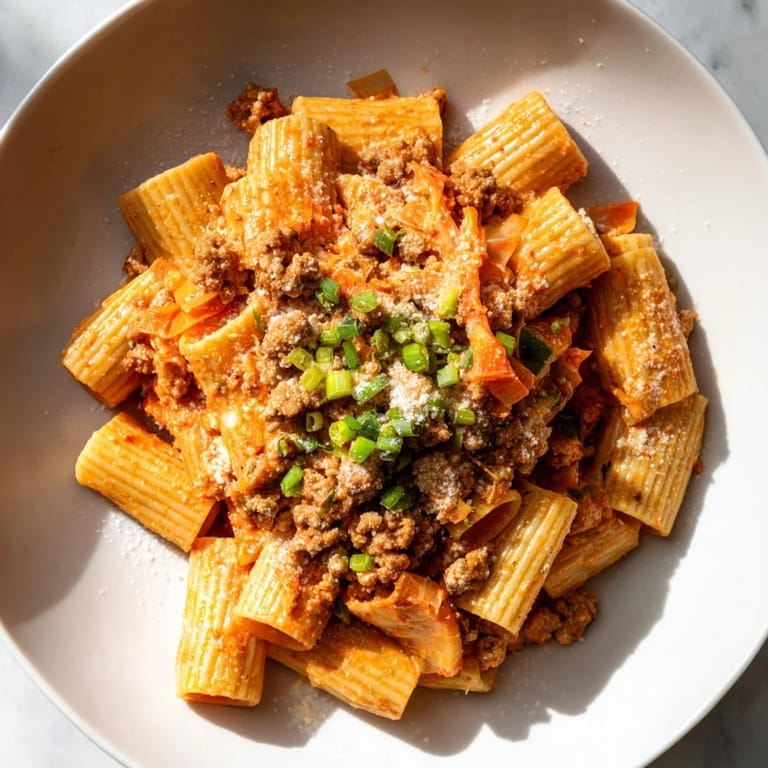
Save There was a moment, stirring the cream into that deep red sauce, when I realized how often we keep things separate out of habit rather than courage. This dish proved that Italian comfort and Korean heat don't just coexist—they make each other better, bolder, more true to what food can be when you trust your instincts.
The Art of Fusion Without Apology
Fusion gets a bad rap because so many versions are trying to be clever instead of delicious. This one isn't splitting the difference between two traditions; it's letting them have a real conversation. The ragu's long simmer gives you time to build flavors, the kimchi cuts through richness, and the cream ties everything into something cohesive. It works because every ingredient is doing what it does best, not what you think it should do in a fusion context. That's the real secret.
Spice and Heat: Making It Your Own
The gochugaru and kimchi bring the fire here, but this isn't a dish that punishes you for adjusting the heat. Some nights you might want it gentler, so dial back the kimchi or skip the gochugaru entirely. Other nights, when you're feeling bold or your friends are adventurous eaters, you can add both without hesitation. The cream will always be there to cool things down if you overdo it, so there's room for experimentation without consequences.
Variations and Swaps That Actually Work
This recipe is a starting point, not a commandment. Beef gives you deeper, meatier flavor; lamb would be wild and wonderful; plant-based meat works if you're feeding vegetarians, though you'll lose some of that savory depth. Coconut cream instead of heavy cream brings a subtle sweetness that plays beautifully with the kimchi's funk. Even the pasta shape matters less than using something that catches sauce—linguine, bucatini, even thick spaghetti will work, though the tubes do grab a little more sauce per bite.
- Swap ground meat for chunks of beef shoulder braised low and slow if you have the time and want richness that lingers.
- Use tamari instead of soy sauce if you need gluten-free, and swap regular pasta for the good GF stuff that actually holds its texture.
- Add a splash of red wine to the sauce for depth—it won't hurt, and it might surprise you in the best way.
 Save
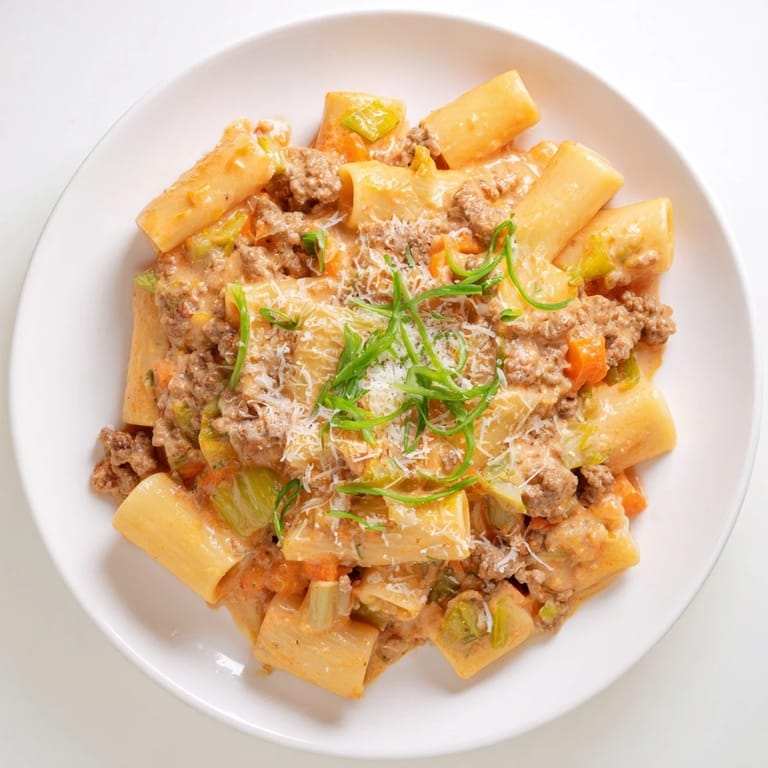
Save This is the kind of dish that reminds you why cooking matters—not because it's complicated, but because it's honest. It takes what you have, respects where it comes from, and asks nothing except that you show up with curiosity. That's all any recipe needs.
Recipe FAQs
- → Can I substitute ground beef for the pork?
Yes, ground beef or a blend of pork and beef work well to create a rich, savory base.
- → How spicy is the dish, and can it be adjusted?
The gochugaru and kimchi add moderate heat, which you can reduce or increase depending on your preference.
- → What pasta types work best here?
Rigatoni or penne pasta are ideal as they hold the thick sauce well, but other tube-shaped pastas can be used too.
- → Is it possible to make the sauce dairy-free?
Yes, replace heavy cream with a plant-based cream or coconut cream for a creamy, dairy-free alternative.
- → How do I store leftovers properly?
Keep leftovers in an airtight container in the fridge for up to 3 days; reheat gently, adding a splash of water or broth if needed.