 Save
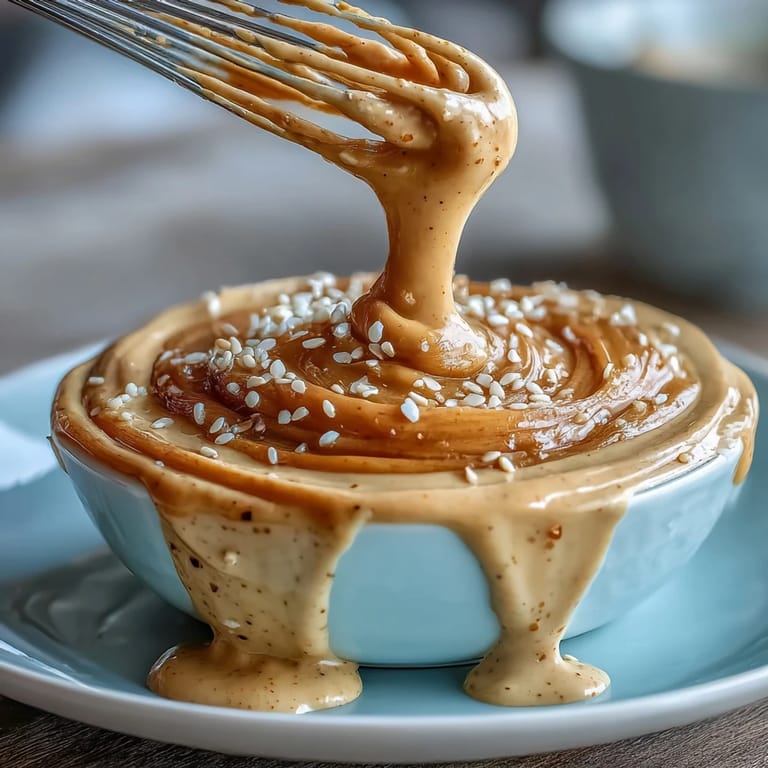
Save I discovered tahini dressing by accident one afternoon when I had half a jar of tahini sitting in my pantry and a lemon that needed rescuing from the fruit bowl. Instead of making the same hummus I always did, I grabbed a bowl and started whisking, adding water bit by bit until something magical happened—creamy, tangy, almost luxurious. It became the dressing I reach for when everything else feels predictable.
I remember making this for a dinner party where someone mentioned they were avoiding dairy, and instead of scrambling, I just drizzled this tahini dressing over everything. The roasted carrots, the crispy chickpeas, even the simple green salad—suddenly the entire meal felt intentional and cohesive. That's when I realized this wasn't just a condiment; it was the thread tying the whole plate together.
Ingredients
- Tahini: Use good quality sesame paste; cheap tahini tastes bitter and grainy, while the real thing is smooth and subtly nutty.
- Fresh lemon juice: Never use bottled—the acidity level and flavor profile change everything about the final result.
- Extra-virgin olive oil: This adds richness and prevents the dressing from tasting one-dimensional.
- Water: Start with 2 tablespoons and add more gradually; water is your control for achieving silky consistency without diluting flavor.
- Garlic: Mince it finely or grate it on a microplane so it dissolves seamlessly rather than creating harsh little chunks.
- Maple syrup or honey: Optional but essential for balancing acidity and adding subtle depth without making it sweet.
- Sea salt: Fine salt dissolves instantly; kosher salt takes longer and can feel grainy if not fully incorporated.
- Ground cumin: A quarter teaspoon opens up warmth and earthiness that makes people ask what your secret ingredient is.
Tired of Takeout? 🥡
Get 10 meals you can make faster than delivery arrives. Seriously.
One email. No spam. Unsubscribe anytime.
Instructions
- Build the base:
- Whisk tahini, lemon juice, olive oil, and 2 tablespoons of water together until the mixture turns from thick and separated to smooth and creamy. You'll feel the transformation happen under the whisk.
- Layer in the flavor:
- Add garlic, sweetener if using, salt, and cumin, then whisk again until everything is fully combined and no streaks of tahini remain.
- Find your consistency:
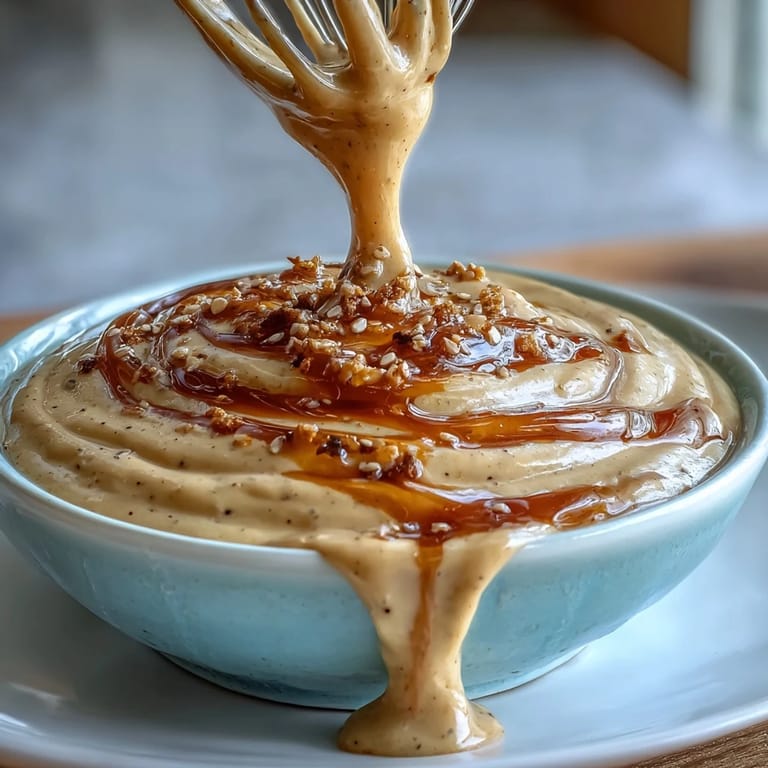
- Add water one tablespoon at a time, whisking between each addition, until the dressing reaches that perfect pourable state—thick enough to coat a salad but thin enough to drizzle.
- Taste and adjust:
- This is where your instincts matter; add more lemon if it tastes flat, more salt if it needs grounding, more sweetness if the acidity feels sharp.
- Store or serve:
- Use immediately while flavors are bright, or transfer to an airtight container where it keeps for five days—actually tasting better on day two when everything has had time to meld.
 Save
Save There was a moment during a weeknight dinner when my kids actually asked for seconds of a salad because of this dressing. They weren't picking around vegetables; they were eating the whole plate. That's the moment this shifted from being just a recipe I made to something that quietly improved every meal it touched.
The Secret to Silky Texture
The magic isn't just whisking; it's the order of ingredients and patience with water. When you whisk tahini and lemon juice first, the acid begins breaking down the paste's density, making it receptive to everything that comes next. Rushing this step or dumping all the water in at once creates lumps that never fully disappear, no matter how hard you whisk.
When to Use Sweetness
Maple syrup and honey aren't about making the dressing sweet—they're about rounding the edges. Lemon juice is bright and sharp, and sesame has an assertive nuttiness; a touch of sweetness acts like a mediator, letting each flavor exist without overwhelming the others. Skip it if you're drizzling over spicy food or rich grains, but include it for fresh vegetable salads where you want everything to sing.
Beyond the Bowl
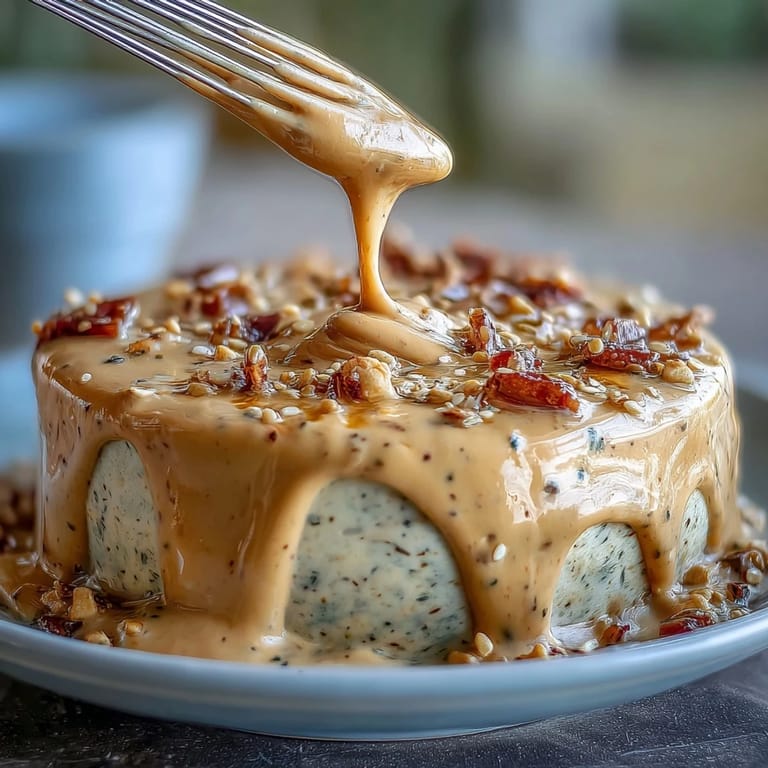
This dressing works magic on roasted vegetables—especially cauliflower, carrots, and beets—transforming them from simple sides into the main reason people come back for more. Spread it on falafel, swirl it into soups for creaminess without cream, or use it as a base for marinades. It bridges cuisines gracefully, fitting into Mediterranean spreads, Middle Eastern mezze platters, and even modern grain bowls.
- Thin it further and use it as a dip for raw vegetables or pita chips.
- Add fresh herbs like cilantro, parsley, or dill for brightness and visual interest.
- Make it ahead and let flavors meld overnight for an even more sophisticated taste.
 Save
Save This is the dressing I make when I want to feel like I'm taking care of people. It's simple enough that anyone can master it, but tastes like you spent more thought than five minutes. That's all a good sauce really needs to be.
Recipe FAQs
- → How do I adjust the dressing’s consistency?
Add water a tablespoon at a time until it reaches your desired pourable texture.
- → Can I substitute the sweetener used here?
Yes, maple syrup can be swapped with honey or agave for a balanced sweetness.
- → How long does this sauce keep refrigerated?
Store it in an airtight container in the fridge for up to 5 days, stirring before each use.
- → What flavors complement this tahini blend?
Fresh herbs like parsley, cilantro, or dill enhance the taste, adding brightness and freshness.
- → Is this suitable for gluten-free diets?
Yes, all ingredients are naturally gluten-free, making it suitable for gluten-conscious diets.
- → Can this sauce be used for cooked dishes?
Absolutely, it pairs well drizzled over roasted vegetables or grilled proteins like falafel.