 Save
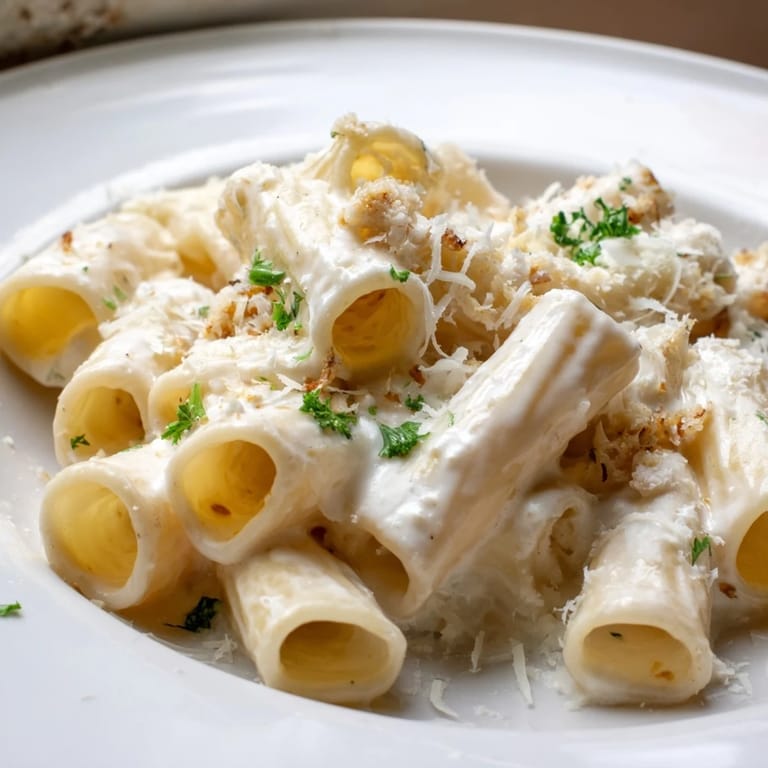
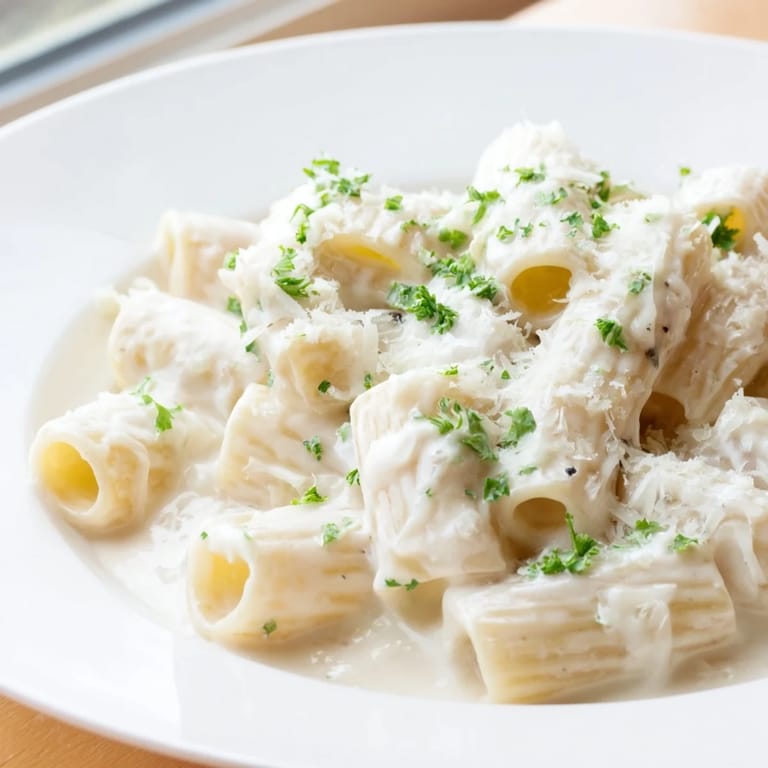
Save The first time I made pasta in milk, I was honestly skeptical. I was exhausted, starving, and out of cream but had plenty of milk sitting in the fridge. Something about cooking noodles directly in dairy seemed wrong, yet that evening produced the most velvety, comforting sauce I had ever tasted without any heavy cream or roux.
Last winter, my sister came over after a terrible day at work. I made this pasta, and she took one bite, closed her eyes, and said this was exactly what she needed. Sometimes food is just comfort, and this dish delivers that in spades.
Ingredients
- Short pasta (penne, fusilli, or rigatoni): I prefer shapes with ridges or tubes that catch the creamy sauce in every bite
- Whole milk: The higher fat content creates a silkier sauce and helps prevent curdling during cooking
- Unsalted butter: Starting with a butter base adds richness and helps the garlic bloom properly
- Grated Parmesan cheese: Freshly grated melts better and gives you that authentic Italian flavor that pre grated never achieves
- Garlic cloves: Mince them finely so they infuse the milk without leaving chunky bits
- Salt and black pepper: Taste as you go since Parmesan already brings saltiness
- Nutmeg: Just a pinch enhances the creamy flavor without making it taste like dessert
Tired of Takeout? 🥡
Get 10 meals you can make faster than delivery arrives. Seriously.
One email. No spam. Unsubscribe anytime.
Instructions
- Melt and bloom:
- In a large deep skillet or wide saucepan, melt the butter over medium heat, then add the minced garlic and let it sizzle for about 1 minute until fragrant but not browned
- Warm the milk:
- Pour in the milk and bring it just to a gentle simmer, watching carefully so it does not boil over
- Add the pasta:
- Stir in the pasta, salt, pepper, and nutmeg if using, making sure everything is well combined
- Cook to creamy perfection:
- Let it cook uncovered for 12 to 15 minutes, stirring frequently to prevent sticking, until the pasta is al dente and the milk has thickened into a luscious sauce
- Finish with cheese:
- Remove from heat and stir in the grated Parmesan until melted, then adjust the seasoning and serve right away
 Save
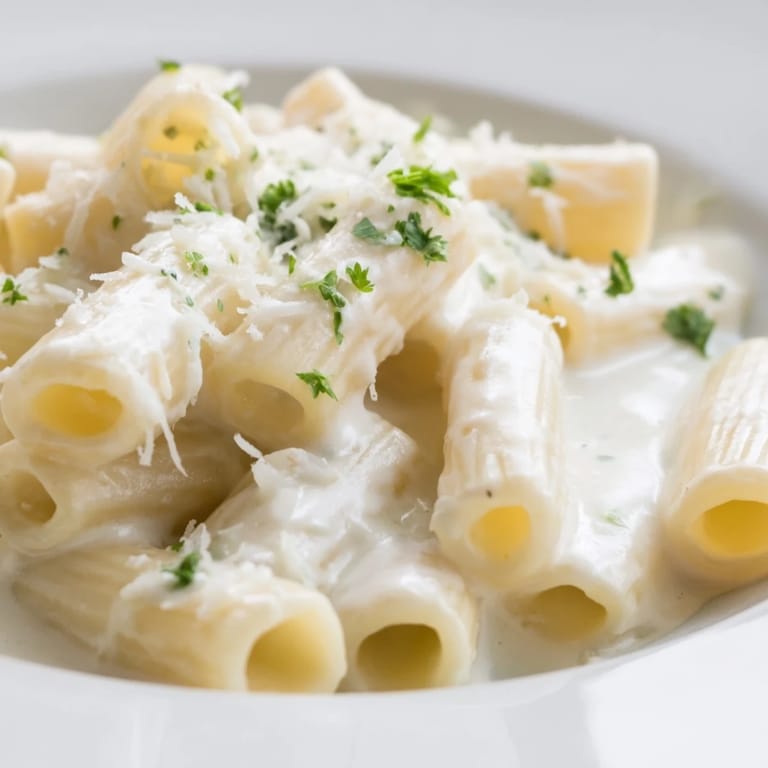
Save This recipe has become my go to for nights when I want something deeply satisfying but do not have the energy for complicated techniques. There is something magical about watching milk transform into a glossy coating while the pasta cooks right in it.
Making It Your Own
I love adding a handful of fresh spinach during the last 2 minutes of cooking. The greens wilt directly into the creamy sauce and add lovely color without extra work. Sautéed mushrooms also work beautifully if you want something heartier.
Choosing the Right Pasta Shape
Short pasta shapes really shine here because they have more surface area for the sauce to cling to. I have tried long pasta, but it becomes difficult to stir and coat evenly in the single pot method. My personal favorite is rigatoni for those sauce catching ridges.
Serving Suggestions
This pasta is wonderfully filling on its own, but a simple green salad with bright vinaigrette cuts through the richness beautifully. Crusty bread is also perfect for sopping up any remaining sauce from the bowl.
- Top with extra Parmesan while still hot so it melts into the sauce
- A pinch of red pepper flakes adds gentle warmth if you like spice
- Serve immediately as the sauce continues to thicken as it sits
 Save
Save This pasta has saved countless weeknight dinners in my house, and I hope it brings the same comfort to your table. Sometimes the simplest methods yield the most wonderful results.
Recipe FAQs
- → Why does milk thicken when cooking pasta?
As pasta cooks in milk, the starch released from the noodles combines with the milk proteins and natural reduction to create a thick, creamy sauce. The longer it simmers, the thicker and more luxurious the sauce becomes.
- → Can I use different types of milk?
Whole milk works best for richness, but you can use low-fat milk—though the sauce will be less creamy. Non-dairy alternatives like oat milk can work but may yield different texture results.
- → What pasta shapes work best?
Short pasta varieties like penne, fusilli, rigatoni, or macaroni are ideal. Their shapes hold the creamy sauce well and cook evenly in the liquid. Long pasta like spaghetti is not recommended for this method.
- → How do I prevent the milk from burning?
Keep the heat at medium or medium-low to maintain a gentle simmer rather than a rolling boil. Stir frequently, especially towards the end when the sauce thickens. Never leave unattended.
- → Can I add protein or vegetables?
Absolutely. Sautéed mushrooms, spinach, or peas can be added in the last few minutes. For proteins, add cooked bacon, ham, or shredded chicken when stirring in the Parmesan.
- → Why add nutmeg?
Nutmeg is a classic addition to creamy dairy sauces, enhancing the richness without adding a distinct flavor. Just a pinch adds depth and balances the creaminess beautifully.