 Save
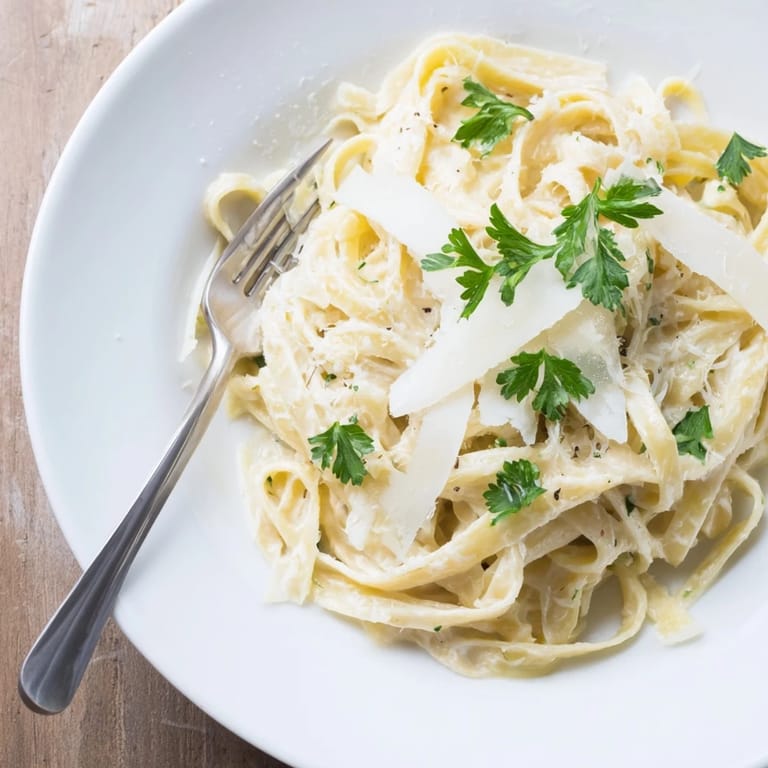
Save The first time I served this to my pasta-purist brother, he actually stopped mid-bite and asked what restaurant Id ordered from. When I told him it was cauliflower, he stared at his bowl like Id performed a magic trick. Now he requests it whenever he visits, and Ive watched three skeptical friends convert to vegetable-based sauces right at my dinner table.
Last winter, during a particularly bleak week when comfort food felt necessary but guilt didnt, I stumbled on this technique. My tiny apartment filled with the smell of roasting garlic and simmering cauliflower, something so unexpectedly cozy that my roommate came wandering in, convinced Id abandoned our usual rotation of quick dinners for something elaborate. We ate it standing up at the counter, watching snow fall, both quietly amazed at how satisfying vegetables could actually be.
Ingredients
- 1 medium head cauliflower: Cut into florets, about 700 g, this becomes the velvety base of your sauce so dont be shy about buying a fresh, firm head
- 3 cloves garlic: Peeled and cooked alongside the cauliflower, these mellow into sweet, aromatic notes rather than sharp bites
- 1 small yellow onion: Chopped small, this adds essential depth that prevents the sauce from tasting too one-dimensionally vegetal
- 2 tablespoons unsalted butter: The secret to restaurant-style richness, use real butter here if you can, it makes a noticeable difference in mouthfeel
- 1/3 cup grated Parmesan cheese: Plus extra for serving, this provides that essential savory umami punch, use vegetarian Parmesan if needed
- 1/2 cup milk: Dairy or unsweetened plant-based, this adjusts the consistency and adds a subtle creaminess without overwhelming the cauliflower flavor
- 350 g fettuccine or linguine: The wide surface area of these noodles perfectly captures and holds onto every bit of sauce
- 1 teaspoon salt: Plus more to taste and for the pasta water, proper seasoning at each step is what transforms this from good to incredible
- 1/2 teaspoon freshly ground black pepper: Freshly ground makes a genuine difference in brightness and complexity
- Pinch of ground nutmeg: Optional but recommended, this warm spice quietly amplifies the creaminess without announcing its presence
- Fresh parsley: Chopped for garnish, this adds a pop of color and fresh contrast to the rich sauce
- Extra Parmesan: For serving, because everyone at the table should get to add their own finishing flourish
Tired of Takeout? 🥡
Get 10 meals you can make faster than delivery arrives. Seriously.
One email. No spam. Unsubscribe anytime.
Instructions
- Cook your vegetables:
- Bring a large pot of salted water to boil and add cauliflower florets, garlic, and chopped onion. Cook for 8 to 10 minutes until the cauliflower is completely tender, you want it soft enough to blend into silk.
- Blend your sauce base:
- Transfer the cooked vegetables with a slotted spoon to your blender. Add butter, Parmesan cheese, milk, salt, pepper, and nutmeg. Blend until absolutely smooth, adding a splash of cooking water if needed to reach that perfect velvety consistency.
- Cook your pasta:
- In the same pot, cook pasta according to package directions until al dente. Reserve 1 cup of pasta water before draining, this liquid gold is your insurance policy for adjusting sauce texture later.
- Combine everything:
- Return drained pasta to the pot and pour over the cauliflower Alfredo sauce. Toss thoroughly to coat every strand, adding reserved pasta water as needed until the sauce clings beautifully to the noodles.
- Season and serve:
- Taste and adjust salt and pepper as needed, then serve immediately while hot, topped with fresh parsley and extra Parmesan for whoever wants it.
 Save
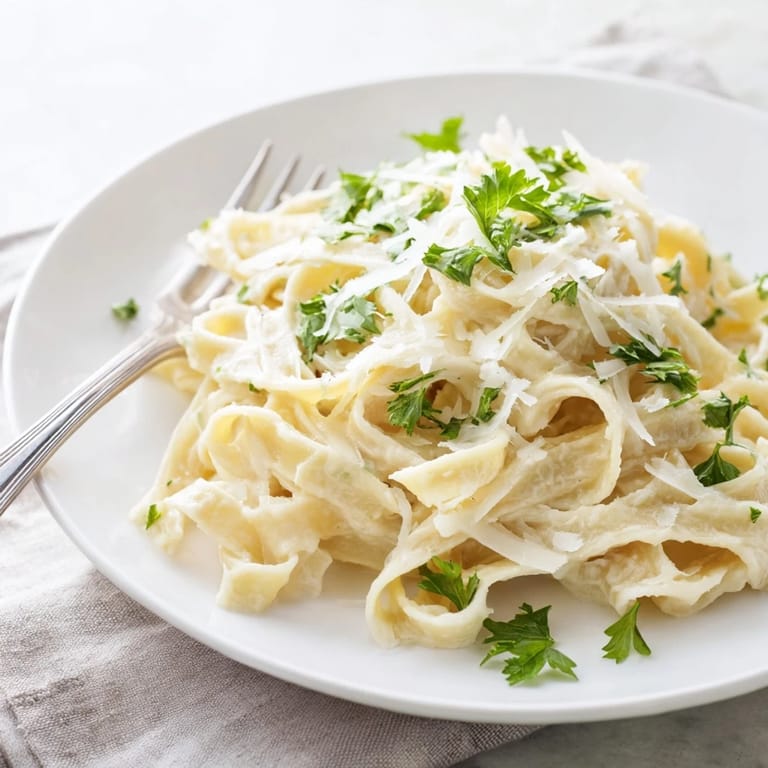
Save This recipe became my go-to for dinner parties after I watched a friend who claimed to hate cauliflower enthusiastically scrape her plate clean. Something about transforming humble ingredients into something that feels luxurious and indulgent makes this dish special, it is proof that comfort food does not have to leave you feeling weighed down.
Making It Your Own
For a vegan version, swap in plant-based milk, vegan butter, and nutritional yeast instead of Parmesan. The technique stays exactly the same, and honestly, most people cannot tell the difference when it is seasoned properly and served with confidence.
Building Extra Nutrition
Sautéed mushrooms or steamed broccoli folded in at the end turn this into a complete meal in a bowl. The sauce is gentle enough that it plays nicely with almost any vegetable you want to sneak in, which is how I accidentally got my nephew to eat broccoli without a single complaint.
Perfecting The Texture
Whole wheat or gluten-free pasta both work beautifully here, though I have found the sauce needs to be slightly thinner when using whole wheat to prevent the dish from feeling too heavy. The key is patience when blending, let the machine run longer than you think necessary to get that true Alfredo silkiness.
- If your sauce seems too thick, warm water from the pasta pot thins it better than cold milk
- A high-speed blender gives the smoothest results, but a regular blender works with extra time
- Making the sauce ahead is fine, but reheat it gently with a splash of water before tossing with hot pasta
 Save
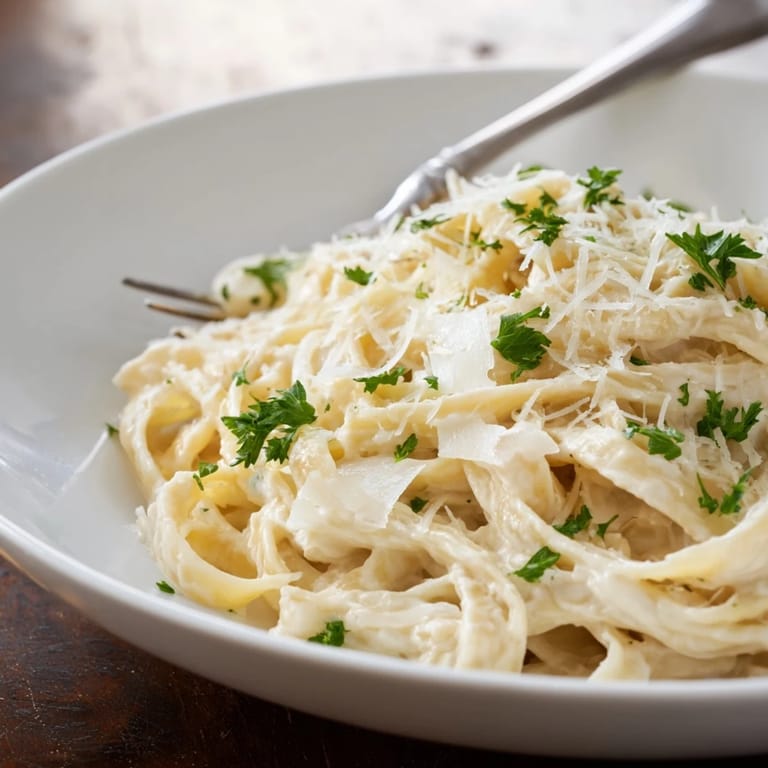
Save There is something deeply satisfying about serving food that feels indulgent while secretly being full of vegetables. Watch people go back for seconds, then decide whether to tell them their secret or just let them keep believing in your magic.
Recipe FAQs
- → Is cauliflower Alfredo actually creamy?
Yes, when blended until completely smooth, cauliflower creates a remarkably velvety texture that rivals traditional cream-based sauces.
- → Can I make this sauce ahead of time?
Absolutely. The sauce keeps well refrigerated for up to 3 days and reheats beautifully with a splash of milk or pasta water.
- → What pasta shapes work best?
Fettuccine and linguine are classic choices, but penne, rigatoni, or even spaghetti work wonderfully with this smooth sauce.
- → How can I make it vegan?
Use plant-based milk, vegan butter, and nutritional yeast instead of Parmesan cheese. The sauce remains just as creamy and delicious.
- → Why add nutmeg to the sauce?
A pinch of nutmeg enhances the cauliflower's natural sweetness and adds subtle warmth that complements the garlic and Parmesan beautifully.
- → Can I freeze leftover sauce?
Yes, freeze the sauce in airtight containers for up to 3 months. Thaw overnight in the refrigerator and reheat gently.