 Save
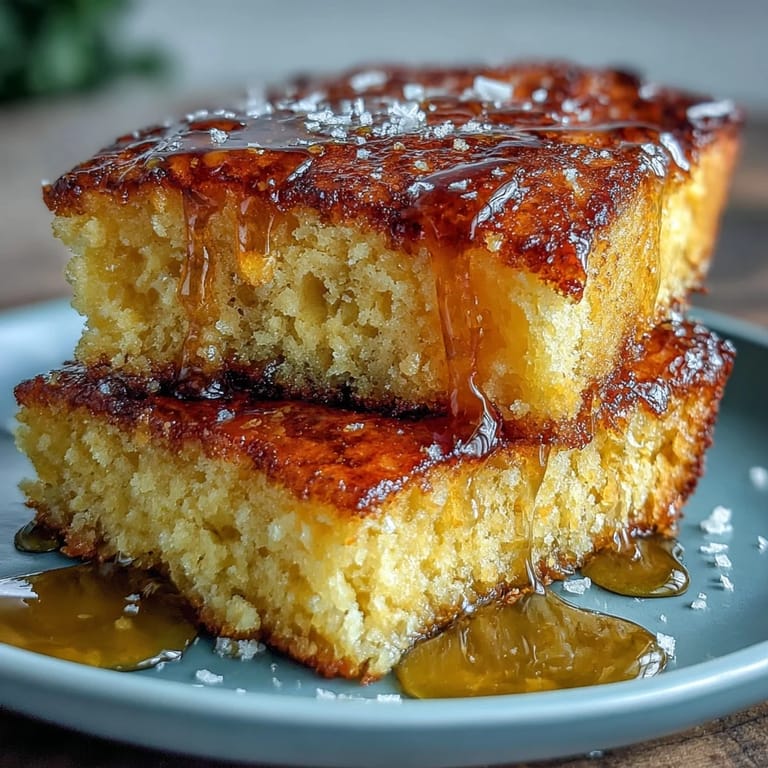
Save My grandmother kept her cast-iron skillet hanging above the stove like a trophy, and the first time she handed me the wooden spoon to make cornbread, I understood why. There's something about that particular combination of cornmeal, butter, and heat that transforms into pure golden comfort before your eyes. I've since made this recipe dozens of times, and it never fails to fill a kitchen with that unmistakable warm, slightly sweet aroma that stops conversations mid-sentence. The honey butter melting into those still-warm squares is where the real magic happens.
Last summer, I made this for a backyard gathering when the grill died unexpectedly, and suddenly this humble cornbread became the star. People actually paused between bites to ask for the recipe, which almost never happens with side dishes. That's when I realized cornbread isn't just filler on a plate, it's the reason people come back for seconds.
Ingredients
- Yellow cornmeal (1 cup): This is your foundation, and the coarser texture matters more than you'd think, so don't substitute with polenta without adjusting liquid.
- All-purpose flour (1 cup): Creates structure that keeps the cornbread tender rather than crumbly, though you can swap half for whole wheat if you're adventurous.
- Granulated sugar (1/4 cup): Just enough sweetness to balance the cornmeal's earthy notes without making this dessert.
- Baking powder and baking soda (1 tablespoon plus 1/2 teaspoon): Together they give you that quick rise and tender crumb, so measure carefully.
- Fine salt (3/4 teaspoon): Enhances every flavor without announcing itself.
- Whole milk or buttermilk (1 cup): Buttermilk adds tang and helps the rise, but whole milk keeps things mild and classic.
- Large eggs (2): Bind everything together and add richness that makes a difference in the final texture.
- Melted unsalted butter (1/4 cup): Use it slightly cooled so it doesn't scramble the eggs when you combine wet and dry.
- Vegetable oil (1/4 cup): Keeps the cornbread incredibly moist, and butter alone wouldn't do the same job.
- Unsalted butter for greasing (2 tablespoons): The sizzle this creates in a hot skillet is non-negotiable for that golden crust.
- Softened butter for honey butter (1/2 cup): Must be room temperature so it whips smooth with the honey.
- Honey (2 tablespoons): Adds floral sweetness that plain butter can never match, so don't skip it.
Tired of Takeout? 🥡
Get 10 meals you can make faster than delivery arrives. Seriously.
One email. No spam. Unsubscribe anytime.
Instructions
- Heat your skillet first:
- Slide that cast-iron into a 425°F oven while you work, because a hot surface is what creates the crispy, buttery bottom that makes people close their eyes. This step is worth the wait.
- Mix your dry team:
- Whisk cornmeal, flour, sugar, baking powder, baking soda, and salt in a large bowl until everything is evenly distributed. Take your time here because lumps in the dry mix will show up in your final cornbread.
- Combine wet ingredients separately:
- In another bowl, whisk milk, eggs, melted butter, and oil until they're one smooth mixture. This way, when you pour wet into dry, everything blends evenly without overmixing.
- Bring it together gently:
- Pour the wet ingredients into the dry mix and stir just until combined, maybe 10 to 15 strokes with a wooden spoon. You'll see a few small streaks of flour, and that's perfect, because overmixing creates a dense, tough cornbread nobody wants.
- Butter the hot skillet:
- Carefully pull out that screaming hot skillet, add the butter, and swirl it around so every corner gets coated. Pour your batter in immediately and smooth the top so it bakes evenly.
- Bake until golden:
- Bake for 20 to 25 minutes until the top turns deep golden and a toothpick comes out clean. You'll smell it getting close before it's actually done, so trust both your nose and the toothpick test.
- Make your honey butter while waiting:
- Beat softened butter with honey and a tiny pinch of salt until fluffy and smooth, which takes about a minute with a fork. Have it ready because warm cornbread and cold honey butter is the perfect contrast.
- Rest before slicing:
- Let the cornbread cool for 5 to 10 minutes in the skillet, just long enough to set without getting cold. This patience pays off because you can slice it cleanly and serve it warm, which is the whole point.
 Save
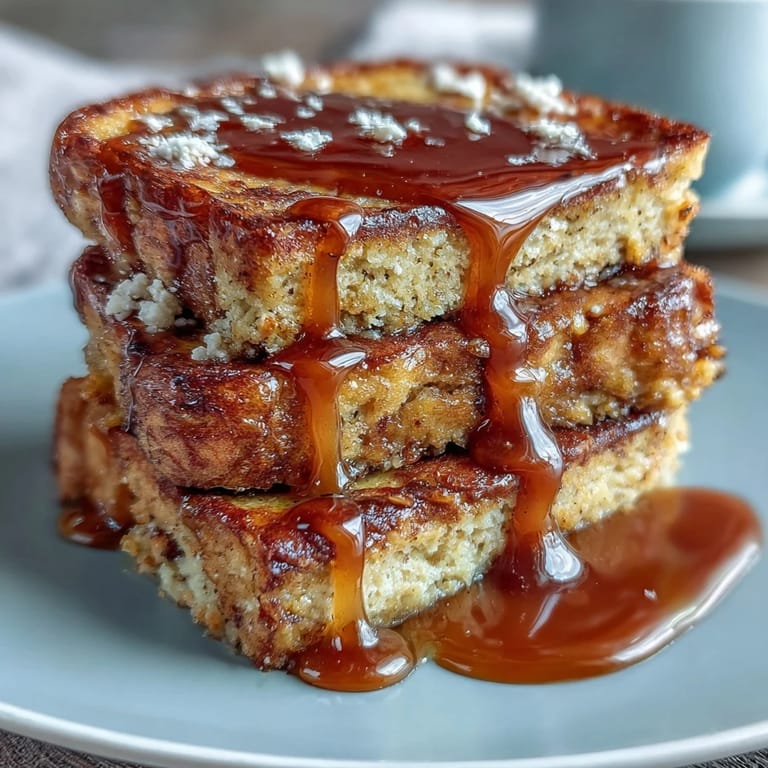
Save There's a moment when you pull cornbread from the oven and the kitchen fills with warmth that feels like a hug, and you realize that some of the best meals are the simplest ones. Food like this reminds you why people gather around tables in the first place.
Why Cast Iron Matters Here
A cast-iron skillet isn't just a tool for this recipe, it's the entire reason the bottom and edges turn crispy and golden while the inside stays tender. The metal conducts heat so evenly that you get this perfect textural contrast that makes cornbread memorable instead of forgettable. If you don't have cast iron, a regular baking pan will still work, but honestly, it's worth digging one out of the back of a cabinet or investing in one because it changes the outcome completely.
The Honey Butter Game Changer
Never underestimate the power of honey butter because it's what takes cornbread from side dish to something people actually anticipate. The honey adds a subtle floral sweetness that sits perfectly against the cornmeal's earthiness, and when it melts into warm bread, it's almost transcendent. Make a double batch and keep it in the fridge because you'll find yourself reaching for it on toast, biscuits, and probably straight off a spoon when nobody's looking.
Storage and Serving Ideas
Cornbread is best fresh and warm, but it keeps beautifully wrapped in foil at room temperature for a day, or frozen for up to three months. Reheat it gently in a 300°F oven to restore that softness without drying it out, and it pairs with everything from barbecue to chili to simple weeknight chicken dinners. This is comfort food that asks for almost nothing in return and gives back memories.
- Wrap leftovers tightly in foil to keep them from staling too quickly on the counter.
- Add corn kernels, shredded cheddar, or jalapeños to the batter if you want to shake things up and make it your own.
- Serve it warm with honey butter every single time, because cold cornbread with cold butter is a missed opportunity.
 Save
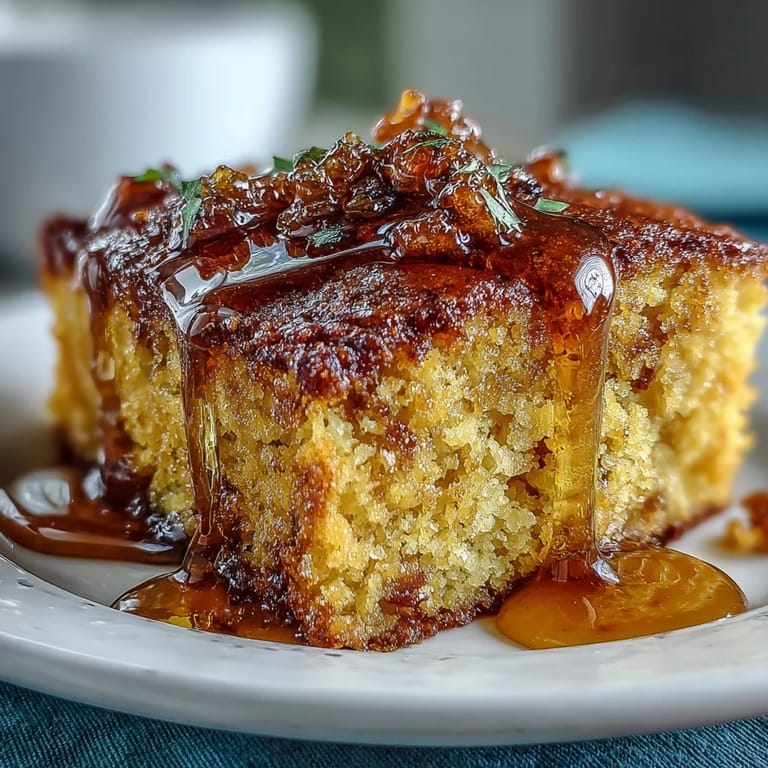
Save This cornbread has become the recipe I reach for when I want to make someone feel cared for without fussing. There's something about serving food warm from a cast-iron skillet that says everything words sometimes can't.
Recipe FAQs
- → What type of skillet is best for baking this cornbread?
A 10-inch cast-iron skillet is ideal as it evenly distributes heat and creates a crisp crust.
- → Can buttermilk be used instead of whole milk?
Yes, substituting buttermilk adds a tangy richness and tender texture to the cornbread.
- → How is the honey butter prepared?
Combine softened unsalted butter with honey and a pinch of salt, then beat until smooth and fluffy.
- → How do I know when the cornbread is done baking?
It’s ready when the top is golden and a toothpick inserted in the center comes out clean.
- → Are there any suggested additions for variety?
Try folding in corn kernels, shredded cheddar, or chopped jalapeños for extra flavor and texture.