 Save
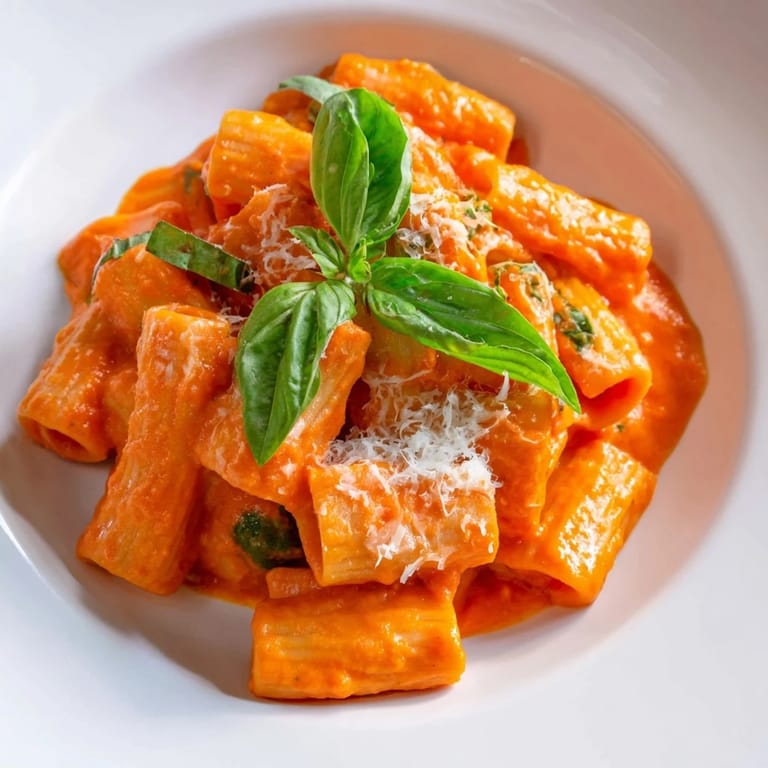
Save My youngest used to pick out every visible vegetable from his pasta, leaving a sad pile of zucchini on the side of his plate. One rainy afternoon, I decided to stop fighting the battle and started blending everything into the sauce instead. That first night, he cleaned his bowl and asked for seconds without a single comment about the three cups of vegetables hiding in that bright red sauce.
Last summer, my sister came over with her three kids who swear they hate vegetables. I made a massive pot of this sauce and served it over spaghetti with extra parmesan. They all went back for thirds, and my sister finally texted me the next morning asking for the recipe after watching them actually eat something green without complaining.
Ingredients
- 2 medium carrots: These add natural sweetness that balances the tomatoes and help mask the other vegetable flavors
- 1 medium zucchini: Practically disappears when blended but adds creaminess and body to the sauce
- 2 cups fresh spinach: The secret nutrient boost that nobody can taste once it is cooked down and pureed
- 1 medium onion: Creates the aromatic foundation that makes everything else taste better
- 2 cloves garlic: Do not skip this, it gives the sauce that authentic Italian depth
- 2 tablespoons olive oil: Essential for sautéing the vegetables and carrying all the flavors
- 1 can (28 oz) crushed tomatoes: Use a good quality brand, you really can taste the difference in the final sauce
- 2 tablespoons tomato paste: Concentrates the tomato flavor and adds richness
- 1 teaspoon dried oregano: Brings that classic Italian herb profile
- 1 teaspoon dried basil: Complements the oregano and adds brightness
- 1/2 teaspoon salt: Start with this amount and adjust to your taste later
- 1/4 teaspoon black pepper: Adds just enough warmth without being spicy
- 1/2 teaspoon sugar: Completely optional but helps if your tomatoes taste especially acidic
Tired of Takeout? 🥡
Get 10 meals you can make faster than delivery arrives. Seriously.
One email. No spam. Unsubscribe anytime.
Instructions
- Sauté the aromatics:
- Heat olive oil in a large saucepan over medium heat, add onion and garlic, and cook until softened and fragrant, about 3 minutes.
- Soften the harder vegetables:
- Add carrots and zucchini to the pan, stirring occasionally for 5-7 minutes until they begin to soften.
- Wilt the spinach:
- Toss in the spinach and cook for about 2 minutes until it has completely wilted down.
- Add the tomato base:
- Pour in the crushed tomatoes and tomato paste, stirring everything together until well combined.
- Season the sauce:
- Add oregano, basil, salt, pepper, and sugar if using, then bring everything to a gentle simmer.
- Simmer to develop flavor:
- Cover the pan and let it simmer on low heat for 20 minutes, stirring occasionally until all vegetables are very tender.
- Blend until smooth:
- Remove from heat and let cool slightly, then use an immersion blender to puree the sauce until completely smooth with no visible vegetable pieces.
- Finish and serve:
- Return to heat if needed to warm through, adjust seasoning, stir in Parmesan if desired, and serve hot over pasta with fresh basil.
 Save
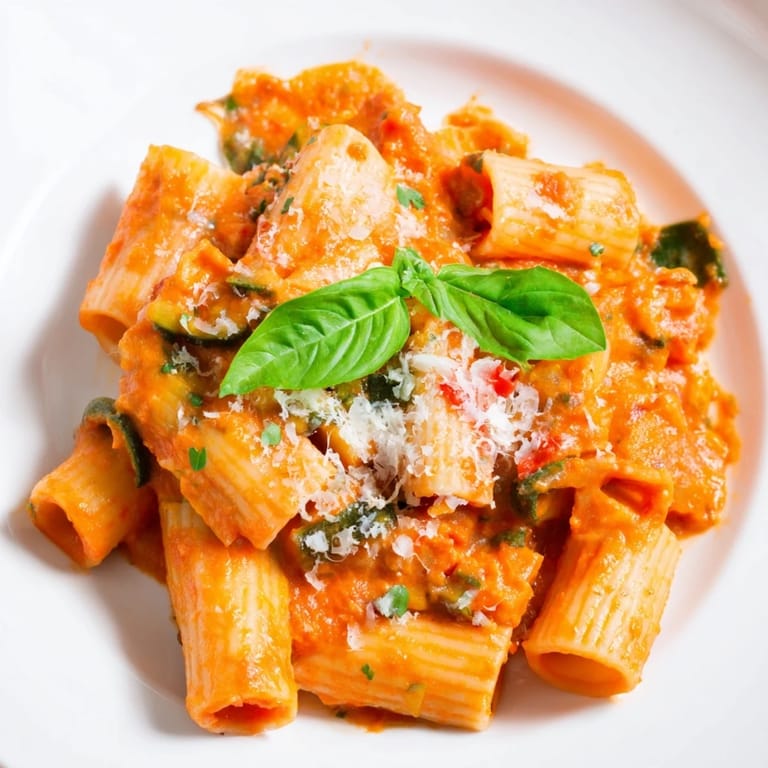
Save This became my go-to for potlucks and new parents because it feels like a thoughtful homemade meal but nobody realizes how simple it actually is. My neighbor asked for the recipe after she watched her usually picky toddler devour a bowl, and now she makes it every Sunday.
Making It Your Own
Once you have the basic method down, you can adjust the vegetables based on what you have in your crisper drawer. Bell peppers work beautifully, and I have even used roasted sweet potatoes when that was all I had on hand. The key is keeping the total vegetable quantity roughly the same so the texture stays consistent.
Storage and Freezing
This sauce freezes exceptionally well, which is why I always double the recipe whenever I make it. Portion it into freezer-safe bags or containers, and you will thank yourself on those nights when the thought of cooking from scratch feels impossible. It keeps in the refrigerator for about a week, so having a backup container in the freezer means you are never more than a quick pasta boil away from a real dinner.
Serving Suggestions
While this is perfect over spaghetti, do not limit yourself there. It works beautifully in lasagna, as a dipping sauce for mozzarella sticks, or even spooned over grilled chicken for an easy dinner. Sometimes I thin it with a bit of cream and use it as a soup base with some white beans stirred in.
- Toss some sun-dried tomatoes into the blender for extra depth
- A splash of red wine while simmering adds restaurant quality richness
- Save some of the pasta water to help the sauce cling to every strand of noodles
 Save
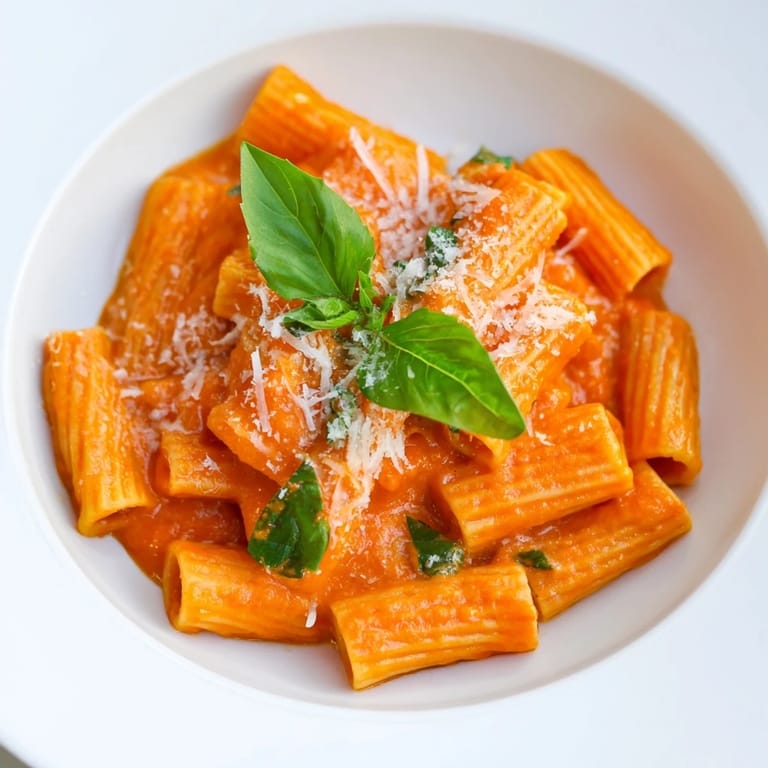
Save There is something deeply satisfying about serving food that nourishes people without them realizing they are eating something healthy. This sauce has become my secret weapon for bringing everyone to the table, happily.
Recipe FAQs
- → Can I taste the vegetables in the sauce?
The vegetables become virtually undetectable after blending. Carrots add subtle sweetness that balances the tomatoes' acidity, while zucchini contributes creaminess without any distinct flavor. Even spinach, with its vibrant green color, disappears completely into the rich red sauce.
- → What's the best way to puree the sauce?
An immersion blender works perfectly directly in the saucepan with minimal cleanup. If using a countertop blender, let the sauce cool for at least 10 minutes before blending in batches, and vent the lid to release steam. Never fill a blender more than halfway with hot liquid.
- → How long can I store this sauce?
Refrigerate for up to 5 days in an airtight container, or freeze in portion-sized containers for up to 3 months. Thaw overnight in the refrigerator and reheat gently on the stovetet, adding a splash of water if it seems too thick.
- → Can I use fresh tomatoes instead of canned?
Yes, use roughly 3 pounds of fresh Roma tomatoes. Core, quarter, and simmer them for 15-20 minutes until they break down before adding the sautéed vegetables. The flavor will be brighter but slightly less consistent than canned crushed tomatoes.
- → Is this sauce suitable for babies and toddlers?
Absolutely. The smooth texture and mild flavor make it perfect for introducing vegetables to young children. Consider reducing the salt when preparing for babies under 12 months, and omit Parmesan for dairy-sensitive infants.
- → What vegetables work best in this sauce?
Carrots, zucchini, and spinach are ideal because they cook down soft and blend completely smooth. Bell peppers, cooked sweet potato, or roasted butternut squash also work well. Avoid fibrous vegetables like celery or broccoli, which may leave stringy bits even after pureeing.