 Save
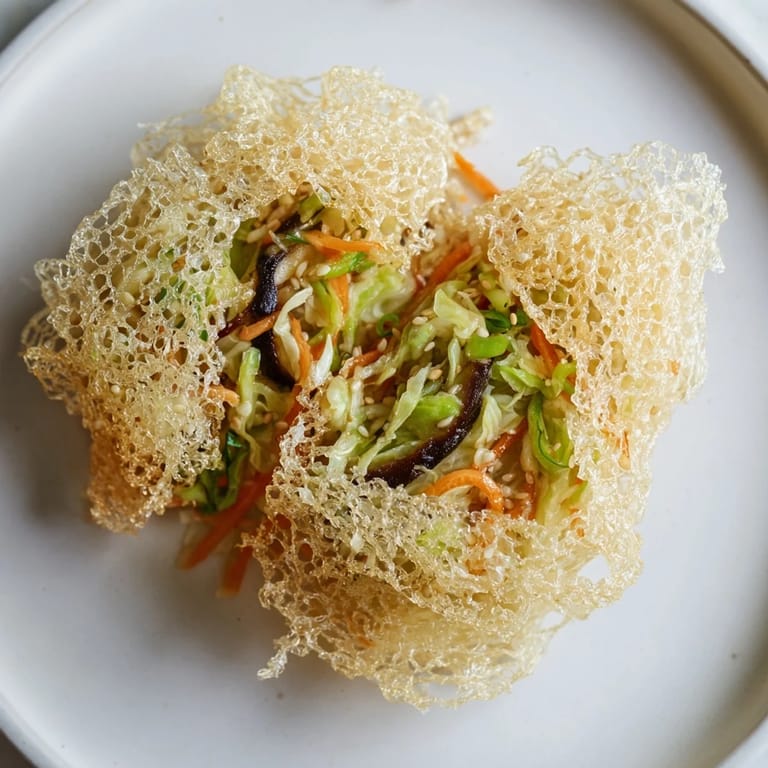
Save The first time I made these crispy rice paper dumplings, I was standing in my kitchen on a quiet Sunday morning, curious about why they'd suddenly become everyone's favorite viral snack. I dipped that first sheet of rice paper into warm water, and something about the way it transformed from brittle to silky in seconds felt like magic. Within minutes, I had golden-brown beauties sizzling in my skillet, their edges crisping up with the most satisfying crackle. My roommate wandered in halfway through, drawn by the aroma of sesame oil and caramelizing vegetables, and we ended up laughing because we'd devoured half the batch before plating the rest.
I remember making a big batch of these for a potluck, absolutely convinced they'd disappear last because everyone would assume they were complicated. Instead, they were gone in minutes, and three different people asked for the recipe before dessert was even served. What surprised me most was how my friend with celiac disease pulled me aside to say she finally had a crispy appetizer she could actually eat without worry, and she could taste the care in how the filling was balanced.
Ingredients
- Shredded green cabbage: The backbone of the filling, providing a subtle sweetness and body that keeps everything moist inside while staying grounded and fresh.
- Grated carrot: Adds a gentle earthy sweetness and natural starch that helps bind the filling together without any added binders.
- Shiitake mushrooms: These umami powerhouses make the filling taste rich and savory, almost like it has depth you can't quite name.
- Green onions: A whisper of sharpness that cuts through the richness and keeps the palate interested with each bite.
- Garlic and ginger: Your flavor anchors, creating that warm, aromatic base that makes people ask what's in here.
- Soy sauce or tamari: Essential for saltiness and depth; tamari keeps everything gluten-free if that matters to your table.
- Sesame oil: Just a teaspoon goes a long way, adding that distinctive toasted note that elevates the whole thing.
- Rice paper sheets: The star of the show, these delicate wrappers become impossibly crispy when fried and create that textural magic people crave.
- Neutral oil: The vehicle for achieving that golden, crackling exterior without overpowering the subtle filling flavors.
Tired of Takeout? 🥡
Get 10 meals you can make faster than delivery arrives. Seriously.
One email. No spam. Unsubscribe anytime.
Instructions
- Build your filling foundation:
- Combine all the raw vegetables, aromatics, and seasonings in a bowl and mix thoroughly so the flavors start to meld. The soy sauce and sesame oil won't distribute evenly if you skip this step, leaving you with pockets of bland cabbage.
- Warm and cool the vegetables:
- Sauté the filling for just 3 to 4 minutes until the raw edge is gone but everything still has structure and snap. Let it cool slightly so you're not burning yourself during assembly and the rice paper doesn't wilt immediately from residual heat.
- Master the rice paper dip:
- Warm water and a 5 to 10 second soak are your sweet spot; too long and the sheet becomes a sad, droopy mess that tears when you touch it. A damp kitchen towel underneath gives you just enough grip to fold without the paper sliding everywhere.
- Roll with purpose:
- Place 2 tablespoons of filling in the center, fold in the sides first, then roll tightly away from you like a burrito. Any air pockets inside will create weak spots where oil seeps in and makes the texture soggy.
- Fry with patience:
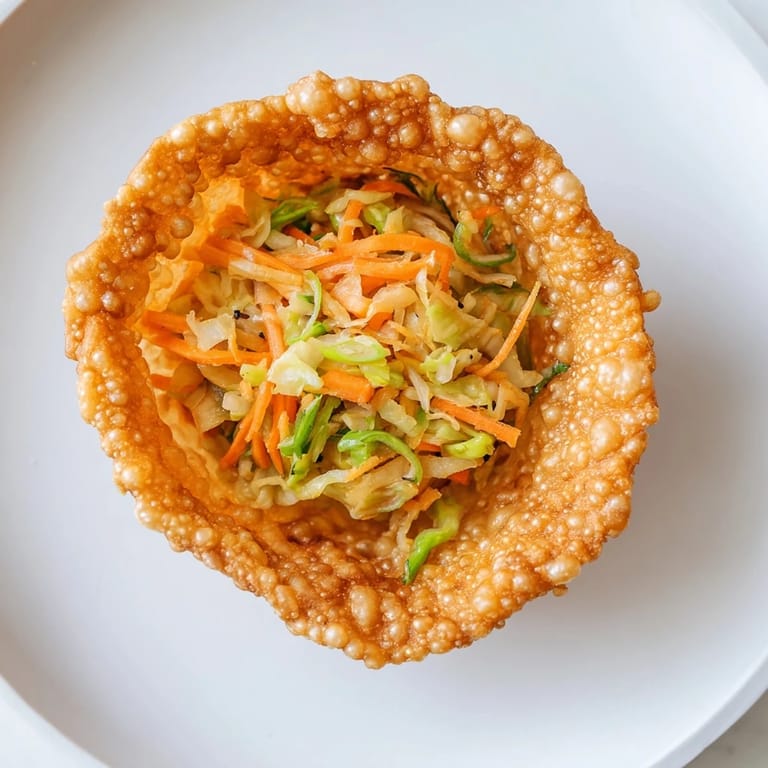
- Lay them seam side down in medium heat oil, giving them 2 to 3 minutes per side until they're golden and crispy all over. The gentle flip matters; if you rush it, you'll get torn dumpling skin in your oil.
- Make the sauce while they finish:
- Whisk together soy sauce, rice vinegar, a touch of sweetness, and chili flakes if you like heat. Taste it and adjust; the sauce should make you want to dip everything in sight.
 Save
Save There was a moment during a weeknight dinner when my kid, who usually turns their nose up at anything green, ate three of these without pausing and asked when I was making them again. That's when I realized these dumplings had crossed over from being just another appetizer into something that brings people together, even the skeptics.
Customizing Your Filling
The beauty of these dumplings is that the filling is genuinely flexible based on what you have in your fridge or what you're craving. I've added finely chopped tofu for extra protein, stirred in a handful of finely minced cooked chicken, or tossed in some chopped water chestnuts for that signature crunch even before frying. The one rule I follow is keeping the filling relatively dry, because excess moisture will steam the wrapper from the inside rather than letting it crisp. Experiment with different vegetables, but always taste the filling before assembling so you can adjust the seasoning.
The Double-Wrap Trick
If you're serving these to someone who worships crispiness the way I do, double-wrapping each dumpling in a second sheet of rice paper creates an almost cartoonishly crunchy exterior that shatters between your teeth. It takes about twice as long to assemble, but the result is a texture that feels a little bit luxurious, like you're going the extra mile. The second layer also provides insurance against small tears or weak spots in the first sheet, so nothing ruptures during cooking.
Serving and Storage Wisdom
These dumplings are absolutely best served the moment they come out of the pan while the outside is still crackling and the inside is steaming. If you must make them ahead, you can assemble them completely and keep them covered in the refrigerator for up to 4 hours, then fry them fresh when guests arrive. I learned this the hard way by trying to fry them hours in advance, hoping to rewarm them, and they lost that magical texture that makes them special.
- Serve them immediately for maximum contrast between the crispy shell and warm, juicy filling.
- If you're meal prepping, assemble them ahead but cook them fresh right before eating.
- Store any extras in an airtight container, though they'll soften within a few hours as steam escapes.
 Save
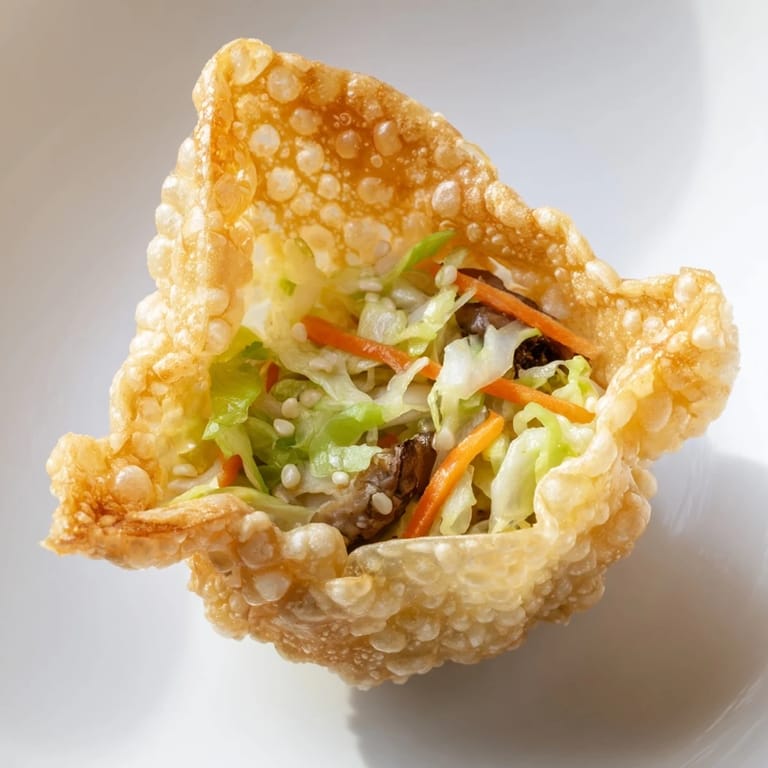
Save Making these dumplings has become one of my favorite kitchen rituals, something I return to when I want to feel competent and watch people enjoy something I made with my hands. They're proof that simple, honest ingredients and a little care create moments worth remembering.
Recipe FAQs
- → How do you prevent rice paper from tearing?
Dip rice paper sheets briefly (5-10 seconds) in warm water to soften but avoid soaking too long, then lay flat on a damp towel before filling to prevent tearing during rolling.
- → What ingredients enhance the filling’s flavor?
Sautéing cabbage, carrot, shiitake mushrooms with garlic, ginger, soy sauce, and sesame oil boosts the savory depth and aroma of the filling.
- → How is crispiness achieved when cooking these dumplings?
Cooking in a moderate amount of oil over medium heat until both sides turn golden provides a crunchy, satisfying exterior.
- → Can I add protein to the filling?
Yes, finely chopped tofu or cooked chicken can be incorporated for added texture and protein.
- → What is a good dipping sauce pairing?
A blend of soy sauce, rice vinegar, and a touch of maple syrup or honey with optional chili flakes creates a balanced, tasty dipping sauce.
- → How should these dumplings be served for best taste?
Serve immediately after cooking to maintain their crisp texture and optimal flavor.