 Save
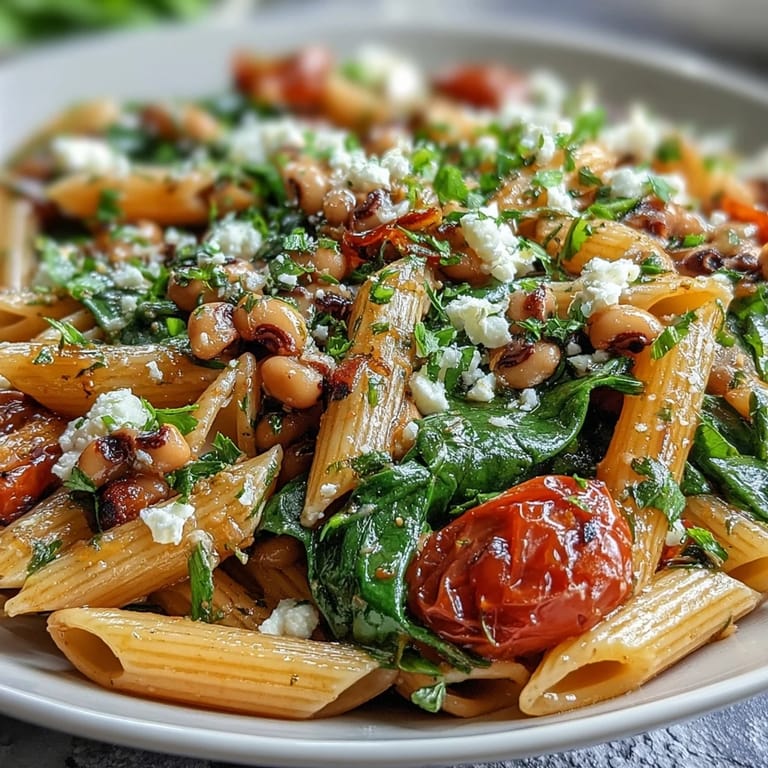
Save There's something about the way black-eyed peas catch the light when they're nestled in pasta that makes you slow down and actually taste your lunch. I stumbled onto this combination on a Tuesday afternoon when my pantry was speaking louder than my ambitions, and what emerged felt less like improvisation and more like a discovery I'd been waiting to make. The Mediterranean simplicity of it—garlic, olive oil, fresh herbs—transforms these humble legumes into something that tastes like you've been planning it all week.
I made this for friends who'd been skeptical about legume-based pasta, and watching them go back for seconds while debating the feta question was its own kind of victory. Someone asked if I'd been to culinary school, and I laughed because the truth was simpler: I'd just learned to listen to what the ingredients wanted to become.
Ingredients
- Short pasta (300 g): Penne, fusilli, or farfalle work best because their shapes actually catch and hold the sauce instead of letting it slide off.
- Black-eyed peas (1 can, drained): Canned works beautifully here and saves you the overnight soaking drama; just rinse them well to reduce any metallic edge.
- Extra-virgin olive oil (3 tablespoons): This isn't the time to reach for the budget bottle—good oil becomes the backbone of the whole dish.
- Garlic cloves (3, finely sliced): Slicing rather than mincing keeps the pieces visible and lets them caramelize slightly for deeper flavor.
- Red onion (1 small, thinly sliced): The sharpness mellows as it cooks and adds color that makes the dish look alive.
- Fresh oregano or dried (1 tablespoon fresh or 1 teaspoon dried): Fresh oregano tastes brighter, but dried holds its own if that's what you have on hand.
- Fresh parsley and basil (2 tablespoons each, chopped): Add these at the end so their freshness doesn't disappear into the heat.
- Cherry tomatoes (1 cup, halved): They burst slightly when cooked, creating little pockets of sweet acidity throughout.
- Baby spinach (1 cup): Adds nutrition and wilts so quickly it's almost startling.
- Sea salt and black pepper (½ teaspoon salt, ¼ teaspoon pepper): Taste as you go because the feta, if you use it, adds saltiness.
- Red pepper flakes (1 pinch, optional): Leave this out if heat isn't your thing, but it does add a whisper of complexity.
- Lemon (zest and juice of ½): This is the secret that makes everything taste more like itself.
- Feta cheese (50 g, optional): The creamy saltiness is optional but transforms the whole dynamic.
Tired of Takeout? 🥡
Get 10 meals you can make faster than delivery arrives. Seriously.
One email. No spam. Unsubscribe anytime.
Instructions
- Get the pasta water going:
- Fill a large pot with salted water and bring it to a rolling boil while you prep everything else. Salt it generously—the water should taste like the sea.
- Cook the pasta:
- Add pasta and let it cook until it still has a slight firmness when you bite it, not soft. Before draining, scoop out about ¼ cup of the starchy cooking water and set it aside; this liquid is liquid gold for bringing everything together.
- Start the flavor base:
- While pasta cooks, warm olive oil in a large skillet over medium heat until it shimmers slightly. Add the sliced garlic and red onion, stirring occasionally until they soften and become fragrant, around 2 to 3 minutes.
- Bring in the tomatoes:
- Add the halved cherry tomatoes and let them cook for 3 to 4 minutes, stirring gently so they begin to soften and release their juices. You'll notice the skillet starts smelling completely different at this point.
- Build with the beans:
- Stir in the drained black-eyed peas along with the oregano, salt, pepper, and red pepper flakes if you're using them. Cook everything together for about 2 minutes so the flavors start getting acquainted.
- Bring it all together:
- Add the drained pasta to the skillet along with that reserved pasta water, tossing everything so the starchy liquid coats the peas and pasta. Add the spinach and cook just until it wilts, which happens almost instantly.
- Finish with brightness:
- Remove from heat, then fold in the lemon zest and juice, fresh parsley, and fresh basil. Taste and adjust the salt and pepper, remembering that feta adds saltiness if you're using it.
- Serve with intention:
- Divide among bowls and top with crumbled feta if desired. Eat while it's still warm and the herbs are still singing.
 Save
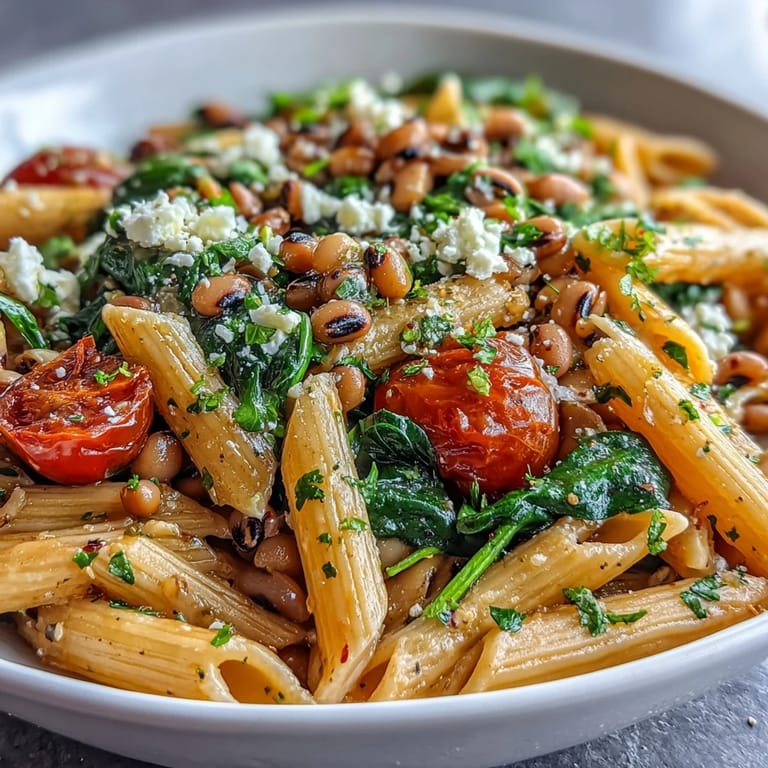
Save There's a moment when you taste this for the first time and something clicks—maybe it's the way the lemon brightness cuts through the earthiness of the beans, or how the feta adds a creamy saltiness that makes you want another bite. This is the kind of dish that reminds you that weeknight cooking doesn't have to be complicated to feel like a small celebration.
Why This Works as a Main Course
The combination of pasta and black-eyed peas creates complete protein because they complement each other nutritionally, which is a fancy way of saying you'll feel genuinely full without needing anything else on the plate. The vegetables add texture and sweetness that balances the earthiness of the legumes, while the herbs and lemon keep everything tasting bright instead of heavy. This is the rare dish that feels substantial but doesn't leave you feeling weighed down for the rest of the day.
Flexibility Built In
One of the things I love most about this recipe is that it bends without breaking. Swap the basil for mint if that's what you have, add grilled chicken or shrimp if you want more protein, roast some bell peppers or zucchini if the mood strikes. I've made it with kale instead of spinach, added sun-dried tomatoes when fresh ones felt expensive, used cilantro when I was experimenting with a more global direction.
Serving Suggestions and Storage
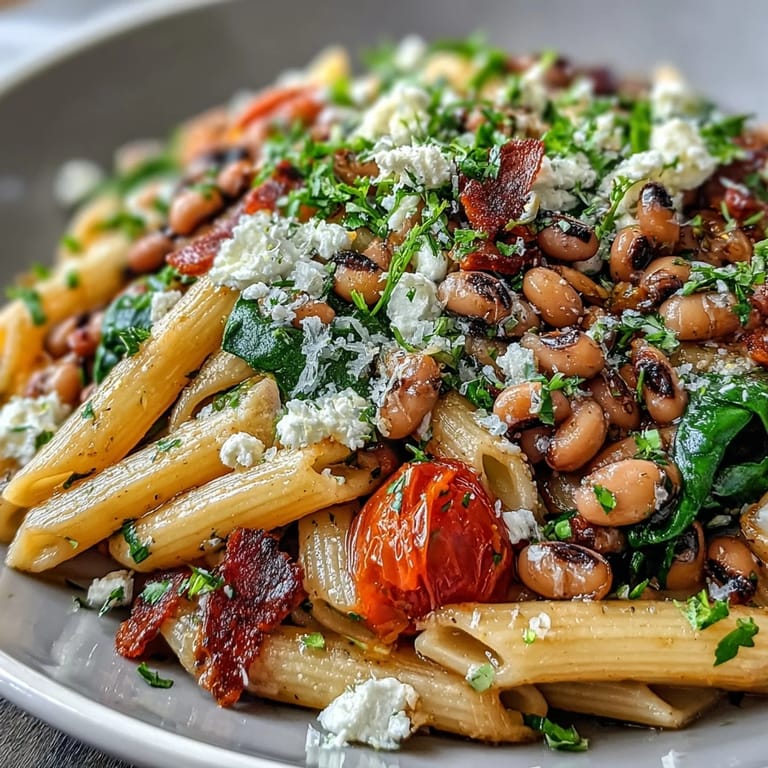
This pasta is one of those rare dishes that tastes different depending on when you eat it, and not in a bad way. Warm from the skillet it feels like comfort, but the next day as a cold salad with a little extra olive oil drizzled over it becomes something completely different—something you find yourself reaching for at lunch. Store leftovers in an airtight container in the refrigerator for up to three days, and if it's looking a bit dry when you reheat it, just add a splash of water or more olive oil to bring it back to life.
- Pair this with a crisp white wine like Sauvignon Blanc or a dry rosé if you're feeling festive.
- Serve at room temperature for picnics or packed lunches, adding fresh herbs and an extra squeeze of lemon just before eating.
- Leftovers make an excellent base for grain bowls—just add some roasted vegetables and a drizzle of tahini dressing.
 Save
Save This is the kind of recipe that becomes a regular in your rotation not because it's fancy but because it tastes good, comes together quickly, and somehow always feels like exactly what you needed to eat. I hope it becomes a Tuesday afternoon regular for you too.
Recipe FAQs
- → Can I use dried black-eyed peas instead of canned?
Yes, you can use dried black-eyed peas. Soak them overnight, then cook until tender before adding to the pasta. This will extend your preparation time significantly. One can (400g) equals approximately 1½ cups of cooked peas.
- → What pasta shapes work best for this dish?
Short pasta shapes like penne, fusilli, or farfalle work beautifully as they catch the peas and small vegetables in their crevices. However, any short pasta you have on hand will work well.
- → How do I store and reheat leftovers?
Store in an airtight container in the refrigerator for up to 3 days. Reheat gently in a skillet with a splash of water or olive oil, adding fresh herbs before serving to revive the flavors.
- → Can I make this vegan?
Absolutely. Simply omit the feta cheese or substitute it with a plant-based feta alternative. The dish is naturally vegan otherwise and still delivers plenty of flavor from the aromatics and fresh herbs.
- → What can I add for extra protein?
Grilled chicken, shrimp, or white beans make excellent protein additions. You can also add roasted chickpeas for crunch or increase the black-eyed pea quantity for a heartier version.
- → Is gluten-free pasta suitable for this preparation?
Yes, certified gluten-free pasta works well in this dish. Cook according to package directions and be mindful that gluten-free pasta may release more starch, so you might need less reserved cooking water.